Diplomacy in the Shadows of Trump 2.0
For decades, the architecture of international relations, though imperfect and often unjust, rested on a few predictable pillars: multilateral alliances, shared democratic values, and a belief in a rules-based system.
The first Trump presidency was not an aberration; it was a stress test. It exposed structural weaknesses and showed how a single powerful nation, guided by a doctrine of transactional nationalism, could unsettle seventy years of diplomatic convention.
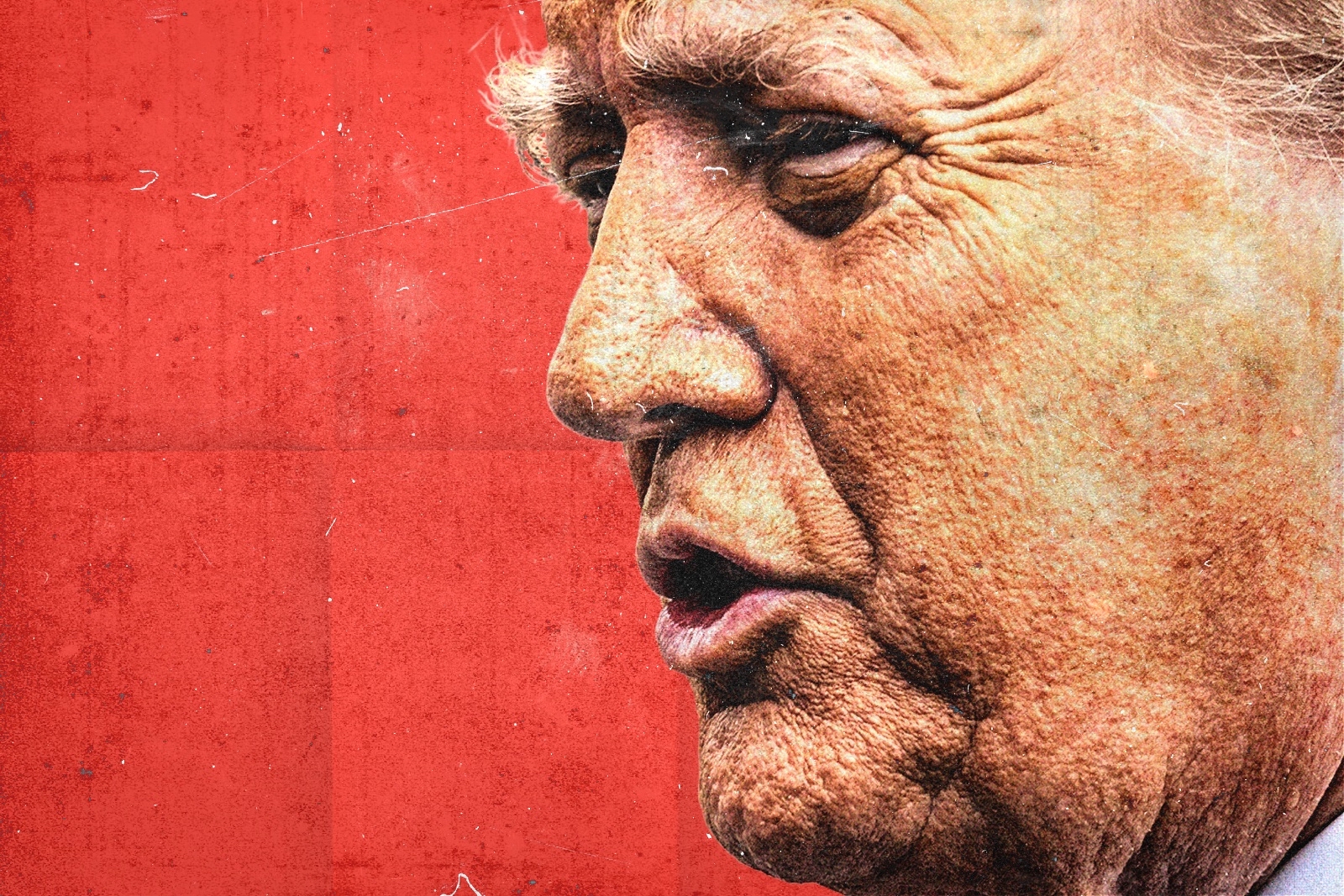
“The Age of Trump 2.0” is not another test. It is the new operating system. Diplomacy is now driven less by compromise than by confrontation.
“The Western Hemisphere is America’s neighbourhood, and we will protect it,” Secretary of War Pete Hegseth recently posted on social media. The U.S. will not tolerate hostile neighbours, unfettered narcotics, or unregulated migration flows in the region. Over the long term, Washington intends to secure greater access to regional markets and natural resources, including rare critical minerals, to reinforce U.S. domestic industries and its economic agenda.
To those ends, there will be force—“police power” in the form of war exercises, military buildups, and targeted strikes—but the administration will also wield every other available tool, from economic (tariffs, bailouts, aid suspensions, sanctions) to political (visa restrictions, symbolic acts such as renaming water bodies).
This is the emerging Trump Doctrine: use all available means, at any time, to champion core American interests and always put America and American citizens first, as defined in each case by the administration. Unlike Theodore Roosevelt, who aspired to “walk softly and carry a big stick,” this White House moves with heavy footsteps and pulls multiple levers at once.
The Trump Doctrine
It has often been said that there is no such thing as Trumpism, only Trump. Yet there is an overarching theme—a blunt rejection of the status quo—and three core tenets that define this new diplomacy.
First, the primacy of the bilateral deal over the multilateral framework. Every alliance and partnership is judged not by shared values but by an immediate cost-benefit analysis. Allies are expected to pay more, do more, or grant preferential access if they wish to preserve the security guarantees and economic ties they once assumed were permanent. The era of “free riding” is over.
This logic is visible in negotiations to end the Ukraine war, with the U.S. reportedly demanding 50 percent of profits from a venture to rebuild post-war Ukraine, funded by $100 billion in frozen Russian assets.
Second, the weaponisation of economic interdependence. The trade wars with China were merely an opening act. Tariffs are no longer tools of last resort; they have become the default instrument of foreign policy. This shift turns global supply chains from arteries of shared prosperity into potential front lines of geopolitical conflict.
Third, the embrace of strategic unpredictability. For much of the postwar era, predictability was the currency of great power diplomacy. It limited miscalculation. The new model prizes disruption instead. Social media posts become policy pronouncements; sudden withdrawals from treaties serve as negotiating tactics rather than signs of retreat.
For both adversaries and allies, this creates an environment in which traditional statecraft struggles to function. How do you deter a power that seems unreadable? How do you align yourself with a government that may reverse course overnight?
What are the implications?
For Europe, this moment demands the urgent—and likely painful—birth of genuine strategic autonomy. The question is whether the European Union can become a credible, independent military and diplomatic actor without the unquestioned shelter of the American security umbrella.
For China, the landscape presents both a danger and an opening. The danger is a more intense and confrontational containment effort from Washington. The opening is the chance to cast itself as the stable, predictable partner for the Global South, filling the vacuum left by an inward-looking America.
For the Middle East, the calculus is shifting from broad, ideological alliances to narrow, interest-based alignments. The Abraham Accords exemplified this approach: bilateral deals that sidestepped the stalled Israeli-Palestinian peace process. Expect more direct arrangements among regional powers, with the U.S. as a facilitator for those it favours and a spoiler for those it does not.
For the Global South more broadly, this is a moment of both peril and agency. Great power competition among the U.S., China, and Russia offers opportunities to play suitors against one another and extract concessions. Yet it also risks forcing smaller states into binary choices they have long tried to avoid.
How will it change diplomacy?
Foreign policies can no longer rest on the assumption of American constancy. Diplomats must become masters of the transaction. This is not pure cynicism; it is forced pragmatism. They will need to articulate national interests with a sharp clarity that resonates in a transactional world, even as they cling to democratic principles they consider non-negotiable.
Economic coercion has become a central instrument of statecraft. Japan has agreed to pay $550 billion into a U.S. investment fund in exchange for 15 percent tariffs on Japanese exports to the U.S. Mineral rights in the Democratic Republic of Congo have become bargaining chips in negotiations over a Rwanda peace deal.
Meanwhile, the U.S. foreign service itself is being reshaped. Career diplomats are being sidelined and replaced by politically aligned envoys. Real estate baron Steve Witkoff has reportedly played a larger role in negotiations over conflicts in the Middle East and Ukraine than the Secretary of State. Private equity mogul Jared Kushner remains a key influence on foreign policy, not solely because of his family ties.
The age of Trump 2.0 will not end diplomacy. It will reinvent it. The practice will become harder, messier, and more fraught with risk. It will reward the agile, the pragmatic, and the clear-eyed.
Diplomats and policymakers now face the task of navigating a landscape defined by strong-arm tactics, prioritised domestic interests, and waning faith in international institutions. The enduring lesson is that flexibility, strategic autonomy, and a readiness to recalibrate are no longer advantages; they are survival skills as diplomacy enters one of its most unpredictable chapters.
The fear is that this new era of diplomacy will deepen global fractures, weaken reliance on shared rules, and undercut hopes for a safer, more genuinely multipolar world. Yet the ideals of multilateral cooperation, human rights, and climate action cannot simply be abandoned because the political winds have shifted.
We do not have to be passive subjects in a world being remade. The task is to keep multilateral forums alive, sustain partnerships that still believe in them, and work in the cracks and spaces between great powers to uphold a vision of international life that is more than a series of competing transactions.