Longform
Thank You for Always Keeping Us Warm, Mama.
I drove to the cemetery one cold morning. The drizzle and gray sky certainly reflected my inner pain. A few months earlier, when it was incredibly hot and humid, my mother and I visited the cemetery together, and she pointed to the location where she would be laid to rest one day. I quickly ended the conversation because it was something I simply could not imagine. That brief conversation echoed in my mind as I visited the cemetery alone this time. My guardian angel had died, and the pain was indescribable.
As I stood there alone, I realized how I was a walking imprint of her life on this earth. She molded me and cared for me more than anyone in my life. My car still had her red pillow and menus from different restaurants she collected in the back. Her cellphone was on the backseat where she always sat, and the pack of bottled water she bought me for work was still in my car. The umbrella she placed in the back of my car for me to use was still there. I was wearing the sneakers, jeans, shirt, and jacket she had bought me for my birthday a few months earlier. The angel of death came swiftly, but nothing will ever diminish the love she infused into her loved ones.
The most influential philosophical work that I have ever read was Meditations by Marcus Aurelius. The first chapter is devoted to those who molded Marcus Aurelius. It described in detail those who contributed to his upbringing and development. If I were ever to write a chapter about thanking the important individuals in my life, my mother Zina would come first, and one chapter about all the ways she cared for and influenced me would turn into volumes.
Fred Rogers, the famous children’s television host, once gave an acceptance speech when given a lifetime achievement award in which he stressed the importance of appreciating those who paved the way for you. Fred Rogers started his speech by saying, “So many people have helped me to come to this night. Some of you are here. Some are far away. Some are even in heaven. All of us have special ones who have loved us into being. Would you just take along with me 10 seconds to think of the people who have helped you become who you are — those who have cared about you and wanted what was best for you in life?” Those words resonate quite strongly with me. The one person who was with me every day of my life as my best friend, closest confidante, and guiding light was now gone. She and I were a team, and now she has left a void in my life that will never be filled.
I was blessed in life to have had a mother who was selfless, intensely caring, and enormously supportive through all of life’s trials and tribulations. She supported her family financially as a physical therapist and was a guiding force in our household, in addition to cooking, cleaning, and handling all issues related to her children. She juggled all her responsibilities tirelessly, seven days a week, every day of the year. She put her family’s needs first and rarely focused on herself. She was a true “mother” and “woman of the house,” and truthfully, I never fully understood how much her love for her family shaped every facet of her existence. My mother had chided me throughout the years about how I never fully appreciated how much love and devotion she invested into her family, and I certainly did not understand that as a teenager, but as I grew older, it became clear that only one person always stood by my side and loved and supported me unconditionally.
She taught me about life through Russian proverbs and her own experiences. She explained that you only understand happiness in comparison to the past or present. This means that to fully understand how good something is you have to experience the bad. Otherwise, there is no better way to appreciate something good. She always cited the Russian lullaby about the sad elephant being told not to be sad because in life there will be “gray days.” My mother always preached to be strong and know that the future will get better. When life knocked her children down, she would say: “A thousand times you are unsuccessful, but a thousand and one times it may finally happen.”
She was optimistic but also always realistic. She would tell me, “Nothing in life is easy. Even going to the bathroom requires standing up, walking over to the bathroom, and taking off your pants.” Her point was that an easy, problem-free life exists only in fairy tales. When we would drive by a beautiful home, she would remind me that the home is beautiful on the outside, but you do not know what is happening inside. She would always say that the façade people present publicly or on social media is not accurate of reality. She would say: “Not everyone has such a sweet life.” During our conversations, my mother would tell me that no one knows what struggles someone is experiencing, so it is always best to treat everyone kindly. Every year, my mother would give a gift to the mailman, janitor, and maintenance worker in our building in December. When one of the janitors was about to quietly retire, my mother gave him a gift on his last day, and he beamed with happiness. She always treated people well and set a great example for her children.
When difficulties seemed insurmountable, my mother taught me to never panic, fall into despair, or react suddenly. “You won’t jump higher than your roof,” she would say. In other words, do your best and accept that not everything will turn out the way you want. She taught me that when a crisis arises, solving it is never done on an empty stomach. Food was fuel for the mind and body, according to her, and its importance must not be discounted. My mother had a disdain for people who were dramatic and turned small things into mass hysteria. She would say: “Don’t make an elephant out of a fly.” She always preached against turning innocuous, inconsequential things into giant scandals. Her philosophy was: “Don’t turn it into a big deal. It’ll pass.”
She also stressed the importance of sleeping and avoiding complex questions or problems at night. She always quoted the following from the Russian story Vasilia the Beautiful: “The morning is wiser than the evening.” The laborious pursuit of overcoming life’s obstacles should be attempted during daylight. She stressed that everything in life changes, difficult times never last forever, and good times follow difficult chapters. She would say, “Life is a struggle. You have to keep moving forward.” My mother always cited the movie Trading Places, starring Eddie Murphy and Dan Aykroyd, as a great analogy for life. You never know what high points and low points will occur in your life, so always be kind to others and never assume your fortune or misfortune will last forever. “Life is a wheel, it turns,” she would say.
She also had an uncanny ability to deconstruct people and understand human relations. She had an intense hatred for the self-righteous, and my mother made it a point to explain that such people were of the lowest quality. She would always tell me that two people, whether friends or significant others, who put on grand displays for the public end up having the rockiest relationship and hating each other. “From great displays of love will come great hate. They kiss and later on they fight.” My mother always told me that ostentatious displays of warm relations for public consumption never end well, and that being sincere publicly and privately is important. My mother spoke to me often about trying to understand the difficulties someone is going through and never judging anyone. She would say: “Everyone wants to be happy. Everyone wants to be beautiful.” She taught me if someone offers a helping hand, that person will get help themselves down the road. My mother always warned me to never look down or laugh at anyone because you never know what will happen to you down the road, as she reminded me: “Life is long.”
My mother repeatedly told her children that: “Life will put everything in its place. There is no misfortune without a blessing in it.” She told me that as I travel through the many roads of life: “The quieter you go, the further you will get,” and “God protects those who protect themselves.” When I sat with her, we contemplated the future, and she would always say, “Do not despair, life will show you the future soon enough. Whoever seeks something will always find it.” She taught me that: “Good things happen when you least expect them to when your hope runs out,” and “If you appreciate the little things, the big things will come.”
She also preached the importance of understanding and empathizing with everyone’s situation when their fortunes are low. She often cited the proverb: “Someone well-fed and someone who suffers from hunger cannot be companions.” This means that someone experiencing prosperity cannot understand someone experiencing difficulties. My mother always stressed the importance of putting yourself in “someone’s shoes” instead of rushing to judgment. We tended to have these conversations during car rides, chats at the dinner table, and sitting on my townhouse balcony. I will cherish the memories of those conversations, and her words will guide me for the rest of my life.
My mother loved history, particularly the history of the British and Russian royal families. With her love of history, she followed politics closely. She taught me the importance of history and civic duty. Learning about the past and voting to change the future were integral to contributing to society. My mother and I went to vote in every election. Even in the last year of her life, she stood first in line at our voting district’s polling station waiting for the doors to open while the men behind us talked to us about where you could get the best cheesesteaks in our suburban community. Every presidential election came with my mother and me standing in the dark, early hours of a cold November morning, waiting to vote and then going to a diner to eat breakfast. Fulfilling her civic duty was important to my mother, and doing it with her and going to a diner for a celebratory breakfast was an honor for me. My mother was proud to be an American citizen. Election day without her will never be the same.
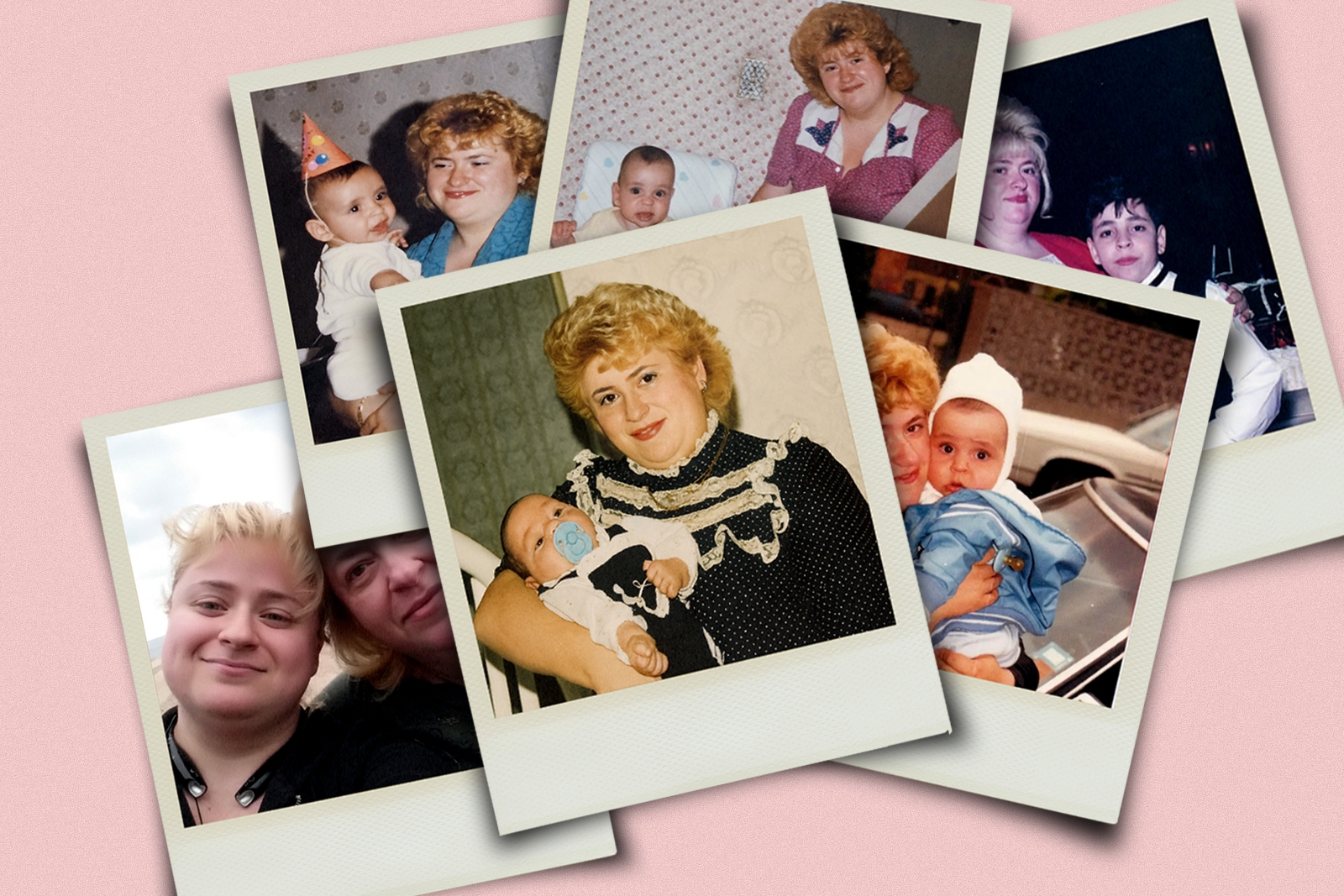
I was born three days before my mother’s birthday, and she always told me that she gave herself the greatest gift of her life. She mythologized my birth, the year she was pregnant, and my early years as the most glorious time of her life because she became a mother. My mother decided to move to a neighborhood called Starrett City because of its large, new apartments and manicured green fields with playgrounds. She envisioned the benefits for her son and future child. My mother moved to this relatively new neighborhood because she thought of her children first, and the building we moved into was next to my grandparents’ building. Even though I did not understand it at the time, my mother foresaw the benefits for her children and only cared about what was best for her family. It was this approach to decision-making that she would employ for the rest of her life. She was a mother first.
 My sister and I were blessed to have lived in a large, new three-bedroom apartment with ample playing space on the green fields in Starrett City. We spent years playing on the grass, on playgrounds, and on benches, supervised by our mother and grandparents. My fondest memories are of my sister and me playing on Starrett City’s playgrounds and my mother watching us lovingly. My mother took us to Armando’s Pizza after trips to Waldbaum’s at Starrett City Plaza, and she always bragged that she brought her children. My mother spent all of her free time with her children because for her, it was a thrill, not a chore.
My mother took us frequently to South Brooklyn, which was always full of stores and restaurants. We spent time on Brighton Beach, Sheepshead Bay, and Kings Highway while exploring the neighborhoods. Visits to Papa Leone’s, El Greco, Roll n’ Roaster, and the Lundy Brothers Restaurant were a must. We were also lucky to have our mother take us to Kings Plaza Mall and to restaurants such as For Goodness Steak and Captain’s Quarters. My mother also liked to surprise us with trips to Pizza Hut on Rockaway Parkway, Toys R Us, Nelly Bly Park, the New York Aquarium, and the Bronx Zoo. Seeing the happiness on our faces when she surprised us with these outings brought her more joy than words could describe.
My mother would surprise us with visits to Hokkaido, our favorite Japanese restaurant in Brooklyn, where we sat in a dimly lit room with ancient Japanese music playing and a plethora of antique Japanese statues and artifacts. My mother certainly believed that eating out at a restaurant with your family is a fine way to spend time together. My mother was also quite generous when she ordered food at home. My earliest memories are of my mother calling her aunt Raisa, her sister Anna, and my grandparents, who lived with their families in the same neighborhood as we did, to tell them that she was ordering food and that everyone was invited.
Within half an hour, we would have ten to fifteen family members in our apartment on a Saturday night, waiting for the food my mother had ordered by phone. My mother believed that every family member should be treated to a good meal, and every family member living in your home should share in everything that is cooked or delivered. If one family member benefits from something, it should be shared with the rest of the family. That was her mantra. She believed that it was her duty to make sure her loved ones were well fed, and it was programmed into her brain that she needed to make sure that we ate three meals each day no matter where she was or how far her children were. Even if one of us came home later, there was always a plate of food that the family ate during a meal waiting for us to be warmed up. For my mother, ensuring that we had food to eat was the ultimate act of love and duty as a mother.
My mother planned days in Manhattan that we would spend together. It would start early in the morning with a ride on the Express Bus, then breakfast at Burger Heaven, a morning at Saks Fifth Avenue, lunch at the Saks Fifth Avenue restaurant, an afternoon at FAO Schwarz to look at toys, dinner at the Plaza Hotel, and dessert at Rockefeller Center. We also visited countless museums, attended Broadway and Radio City shows, and frequently explored Little Italy and Rockefeller Center. Our mother beamed with pride when she was able to go out with her children. When her children were happy, she was happy. We never appreciated our mother’s generosity at that age.
My mother worked at Family Care, a medical center on Kings Highway in Brooklyn, as the chief physical therapist. She worked tirelessly, while also cooking for her family and maintaining a clean home. There were times when she would call my grandfather to tell him to bring her children to work. We were always so excited to visit Mama at work, where we would meet her while she still wore her long white medical coat and treated patients in her large physical therapy room, which had her own office. She would brag to all her coworkers about us, telling them how well we did in school and about our extracurricular activities.
My mother had a special love for figure skating, which we all watched together. During the rise of champion skater Oksana Baul, she was delighted to learn that my sister was interested and skilled in the sport, so she enrolled her in private lessons. According to my mother, my sister was the world’s most beautiful ballerina and figure skater, while I was an excellent tennis player and piano player. My mother was proud that my sister excelled at figure skating during her lessons at Chelsea Piers in Manhattan, and she saved several thousand dollars to buy me a piano because she instilled in me a love for classical music and culture. The pride in her eyes, face, and voice was truly incredible.
My mother was very protective of her children, and she decided that if they were away for the summer, they should be in a safe, supervised environment with their grandparents. My mother rented a bungalow in the Catskill Mountains one summer, and when she found out that the bungalow community never had telephone lines installed in its entire history, she made the necessary arrangements to have that changed. There was nothing that would stop her from being in touch with her parents and children.
The bungalow was small, but my mother travelled back every weekend to see us and slept outside on lawn chairs to spend the weekend with us. Even though the weekend was her only two days off, she spent it taking us to the pool, organizing family barbecues, and treating her children to strawberry shortcake and ice cream. One night, my grandmother and I sat outside, and we listened to the birds singing loudly. My grandmother joked that they were celebrating something. The humidity in the Catskill Mountains had poorly affected my grandmother’s health, so my mother decided that we would spend our summers in Pennsylvania.
My mother began renting homes in Lake Ariel, Pennsylvania, in a community called The Hideout for the summer. My mother worked during the week and visited every weekend, so that we could enjoy the summer. The Hideout was wonderful. We visited the pool or beach every morning, then the lake for fishing in the afternoon. My grandfather was a skilled fisher, and he caught a two-foot pike and a turtle that everyone at the lake was trying to catch. Evenings ended by coming home from the lake, having dinner, and watching television.
My mother bought my grandfather the equipment and ingredients to make pizza, which he used with joy to make for his grandchildren. My mother was so happy that her parents and children were enjoying the summer, and when she rented the bungalow in the Catskill Mountains and the homes in Lake Ariel, all our relatives were invited. The weekends brought big barbecues and trips to local restaurants, where we played pinball and arcade games. My mother bought food for everyone, paid for the restaurants, and always made room for family members who showed up for the weekend. We rented movies to watch, and my mother translated so my grandparents could enjoy them too. I will always remember how hard my grandparents laughed when they watched their favorite sitcom star, John Ritter from Three’s Company, and the misadventures with his adopted child in Problem Child.
My mother loved the Pennsylvania countryside and was so pleased with how we had enjoyed the summers that she began contemplating building a house on her own land so that her children would have a permanent place to go during the summer and throughout the year. During the 1990s, the Pocono Mountains were a vastly different place than they are today. Before it became a bedroom community of New York City, it was a sparsely populated, incredibly rustic, and naturally harmonious area. My mother did her research and spoke with the president of the only homebuilding company in the county to ensure she builds a house in a safe area, free of crime. The president promised that as long as he is in charge, he will never build homes near her children that may compromise their safety or quality of life. We drove to Pennsylvania on a freezing school day, and I helped pick out the plot of land. We settled on the land that offers the best view of the mountains. The house was built, and my mother’s dream of building a home for her children, surrounded by rustic beauty and solitude, was realized. When the home was built, it was big news in the sleepy Poconos and featured prominently on the cover of a local magazine. We were ecstatic.
We spent a quarter of a century in that home, and my mother was the driving force behind every aspect, both inside and outside, from the landscaping to the architecture. It was a large, beautiful house in which every room bore her design and input. We enjoyed trips to the Poconos, to the farms, to the pool, to Heckman Orchards, to Jamesway, and to Kinsley, with the giant lobster Bubba swimming in his tank. We visited every side-of-the-road restaurant and shop, as well as county fairs and events. During autumn, we loved to play outside in the beautiful foliage of changing colors and cool air, while my mother’s cooking could be smelled outside. During winter, we would drink hot chocolate and sit at the kitchen table, looking out at the field behind our home, covered in snow. It was a beautiful winter wonderland, and we would play in the snow for hours. One winter, the birch trees on our property bent over from the weight of the ice. My sister and I finished breakfast, grabbed hammers, and raced outside to those trees to break the ice so we could “save our trees.” We were proud to help the “good trees” that were part of our wonderful Poconos home. My mother looked on with happiness. When spring arrived each year, we marveled at the natural beauty we had the privilege to live in. Our mother always reminded us that she did this all for us because nothing was more important to her than our happiness.
My mother spent every weekend she could taking us to the Poconos. Trips there on Friday afternoons or, sometimes, Thursday nights would give us three days of absolute rustic bliss in any season. We would drive there with such excitement, as we felt we were entering a magical countryside that our mother had created just for us. The trips there were a countdown to our wonderful home in the mountains, and Sunday nights were full of sadness as we always closed up, said goodbye to our house, and drove to the local eatery, Pizza Nut, which was covered from wall to wall and ceiling with posters and balloons of all sorts of things. It was a bittersweet experience leaving the Poconos while having pizza for dinner in a restaurant with all sorts of visual distractions. It was always a sad Sunday night in the Poconos when we were leaving, but our mother always assured us that we would come back soon.
We were blessed with a mother who believed in the importance of a family barbecue. No trip to the Poconos was ever complete without a barbecue, and my mother made sure to spend money on the food. We enjoyed barbecuing every weekend, every season, and on every holiday. The veranda and deck in back, with the grill overlooking the woods, were where we spent most of our time while in the house. We would sit on the veranda, enclosed with netting so that we could enjoy the outdoors without insects. We sat there for hours talking about life and enjoying the view. My mother invited as many as fifteen family members to stay over on Memorial Day, Fourth of July, Labor Day, and New Year’s Eve, while barbecuing and cooking to fill everyone’s empty stomachs.
While I was spending the summer in the Pocono Mountains in 2011, my mother received several phone calls from relatives in New York City who were looking to escape Hurricane Irene, and my mother welcomed everyone with open arms, fed them, and made room for them in our home. We barbecued, and a toast was given in honor of my mother for being their savior during the hurricane. My mother’s generosity knew no limits.
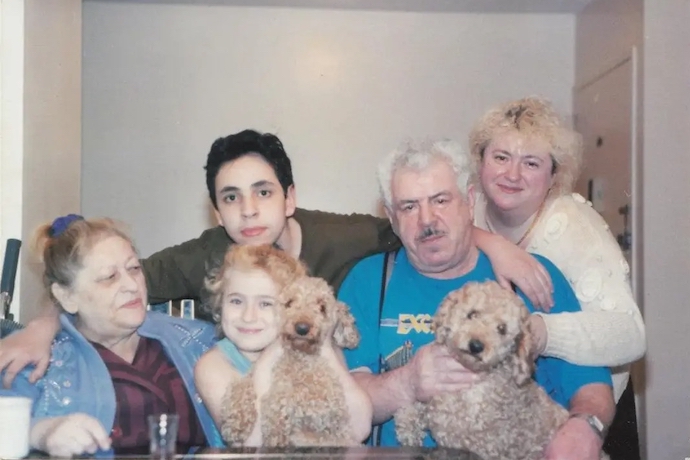 My mother always took us to and picked us up from school on her days off, and when she worked, she made sure my grandfather drove us there and back. My mother spoke to every teacher and principal, while my grandfather patiently waited for us to drive and carried our bookbags so we wouldn’t have to strain our backs. When my mother came home from work, she would come to us and ask for a “full report” on everything that happened at school. Students would tease me about these things, making me think there was something wrong with me. Today, I realize most kids did not have parents who were involved in their lives. Those kids who taunted us had parents who never came to school or had someone drive them around, as we were fortunate to have. Envy reared its ugly head, but that was nothing compared to the resentment that erupted when I innocently told classmates about my house in the Poconos. These were painful lessons I learned. My mother ensured that my sister and I were treated incredibly well, and our classmates were resentful. My mother taught us: “All bad behavior toward someone stems from jealousy and envy.”
My mother’s caring nature was truly befitting a guardian angel. She attended every doctor’s visit with us, constantly monitored our health, and always sought to provide the proper remedy for every ailment, even when we were well into adulthood. She never stopped caring for her children, and we were always at the top of her mind. She protected us from everything and everyone. One day in New York, I was outside alone with a friend playing in the snow in the back of my building when two older, mean kids began furiously throwing snowballs at us. My friend ran into his building, opened the door with his key, and was too afraid to open the door because he might be attacked. Within moments, my mother, who had been watching me from the 16th floor window, ran outside to defend me and erupted by screaming at those children. My guardian angel was watching me through the window the whole time to make sure I was safe, and she came to my rescue.
Wherever I was, and no matter how old I was, my mother always cared about my safety. Even when I was in England and Australia for my studies, she called to make sure I was happy, healthy, and safe. Every flight I ever took, my mother waited nervously for me to arrive safely and would not do anything until she knew I was safe and sound. Whenever I traveled at night and was delayed, she called to make sure I was on my way home and stayed up until I arrived. Whenever I didn’t text or call to let her know I was fine throughout the years, she worried and left me messages. Nothing else mattered to her other than her children’s safety.
The problematic children on the playground whom she protected me from now evolved into vicious coworkers. She would say: “Coworkers will speak ill of you, and they’ll eventually stop and move on to something else to talk about. Don’t worry about it. Don’t let the negativity affect you outside of work. Leave it at work and ignore it. Most of your coworkers will soon forget you. Most of the people I worked with, I wouldn’t even recognize or remember if I saw them on the street. Don’t listen to any of them. Keep doing what you believe is right.” My mother supported me through every difficult day, professional battle, and painful clash by being my rock of support. When I suffered disappointments and setbacks, she would say, “What are you going to do? Lie down and die? Keep moving forward. Those who don’t take risks don’t drink champagne.”
I was able to confide in her about everything, whether professional or personal. My mother had an instinct that could deconstruct people for who they truly were, and she always offered me insights that later proved true. She was a master of understanding human psychology and had an innate sense of danger, whether from people or the environment. Wherever I went, if something or someone posed a threat to my well-being, she had an innate alarm that would alert her. There were countless times when something happened, and my mother instinctively knew about it. She was connected to my safety and well-being on a level deeper than the physical.
My mother never thought of herself first, but always thought of others first. When she went on vacation for New Year’s Eve before she built a home in the Poconos, she noticed that soap opera star Jackie Zeman, who played Bobbie Spencer on General Hospital, was staying at the same resort in upstate New York as she was. My mother approached her and told her that her mother is a big fan, so she asked if the soap opera star could be videotaped and say a few words to her fan. Jackie Zeman told my mother, “You must be a very good daughter if you’re thinking about your mother while on vacation.” Jackie Zeman was videotaped for several minutes, talking about her trip and even directly addressing my grandmother. My grandmother was thrilled when she watched the video, which my mother showed her as soon as she returned. On another occasion, during a trip to the New York Aquarium, my mother stood first in line for the dolphin and sea lion show at the Aquatheater while my sister and I were busy exploring. We were the first in line out of a thousand people because my mother stood for more than an hour alone in the summer heat so that her children could get the best seats. We sat in the center seats of the first row and were splashed by the dolphins and sea lions. Her love for her family and children was astonishing.
My mother was a genuinely caring person. She loved working in physical therapy and enjoyed the medical field. One day, she ran into one of her patients who was staying in the Poconos to visit her grandson. My mother stopped by this patient’s daughter’s home after being invited. When she entered, my mother noticed that the grandchild was a physically disabled toddler. My mother stopped everything she was doing, knelt to the toddler, and tested the child’s mobility by doing physical therapy exercises. My mother informed the child’s mother and grandmother that the child needed to do these exercises every day to prevent muscle mass and mobility loss. The family was incredibly grateful for the free medical advice.
My mother was just as vigilant when she was at work at Family Care in New York. When a physical therapy patient showed up with her child, who was severely neglected, my mother insisted that this patient wash her daughter’s hair and face in the bathroom. Then my mother went and bought the child new clothes and treated her to a large meal, which the child ate in full and with gratitude. Even at home, when our neighbors came to my mother to ask for bread and eggs, she went over to their apartment. She discovered an empty refrigerator and nothing to eat in their home because their widowed mother, who spent all her time drinking and partying with friends, had neglected them. She invited them over and cooked for them many times. These children were fed food that they had never seen in their homes. She was kind to everyone. She would always say, “My mother always taught me that even if your greatest enemy comes to your door asking for help, you must show them kindness.”
My mother was a very private person, and she never talked about her passion for cooking. The truth is, she had been an excellent cook for decades and filled her time reading about new recipes and watching cooking shows to perfect her craft. One snowy evening in the Pocono Mountains, our elderly neighbor, Steve, stopped by the veranda at the back of the house and knocked on the kitchen window to say there was a delicious smell coming from our home. My mother told him that she was cooking an Eastern European soup called “Borscht.” Steve’s eyes widened with excitement, and he asked if he could have some. My mother gave him a container of soup, and he hurried back home, walking through several inches of snow to eat what he had been given. What I didn’t realize at the time was that I was incredibly fortunate to have a mother who cooked so well and frequently, not for herself, but for her family. My mother always felt it was a labor of love and took pride in the fact that her family ate well. She would cite the proverb: “Appetite comes during mealtime.”
My mother cooked delicious soups such as borscht, split pea, white bean Tuscan, matzah ball, vegetable, chicken, mushroom barley soups, and many more. She baked the most delicious cakes, cookies, and muffins. Her Napoleon and red velvet cakes were my favorite. She made the most delicious French toast and pancakes with fruit inside them. She loved to cook Russian, Italian, and French dishes. Her veal marsala was legendary, and her French white sauce on fish was incredible. Her white sauce beef stroganoff was my absolute favorite dinner. Her family also enjoyed her chopped herring, chopped liver, zharkoye, olivier and vinaigrette salads, stuffed peppers and cabbage, blintzes, and piroshki.
She loved cooking pasta and seafood of all kinds, and her beef steaks, lamb chops, and chicken cutlets never stayed on our plates for very long. She would make falafel with pita bread and tzatziki sauce. I would jump for joy whenever she made fishcakes from Cod. She would cook entire chickens, ducks, and turkeys for her loved ones with pine nuts, collard greens, cranberry sauce, and gravy. Her Thanksgiving dinners were magical.
My mother always stressed to me the importance of going food shopping once a week. I was skeptical and told her maybe we didn’t need to go that often, but she explained that the most important function of maintaining a home is having a plentiful supply of food and a refrigerator full. In the last decade of her life, my mother and I spent an enormous amount of time together shopping at supermarkets and other food stores. I was always amazed by how knowledgeable she was about food and shopping. She spoke to me at great length about how there is no more important task in maintaining a home than making sure everyone in the household is well-fed so that no one is neglected or misses out on family meals. Every meal in our home had all the family members at the table, and it didn’t matter what TV show was on or what we were doing; a meal at the table with your family members took precedence. According to my mother, fast food and junk food were never substitutes for real food, and fruits and vegetables should be part of your diet each day. She was a master of the kitchen, cooking, and shopping. I never fully understood the depth of her abilities and expertise until I was older.
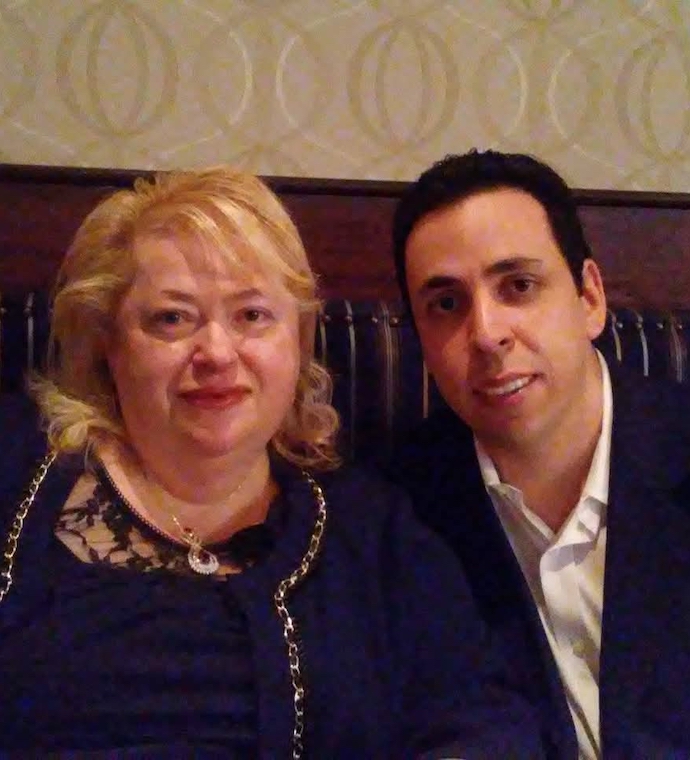
I was lucky enough to have a mother who supported me throughout my life. Even at an early age, my mother always cheered me on, and everyone she ever met always heard about her children’s accomplishments. When I received my first school award, my mother invited the whole family over for a celebratory dinner. She bragged to everyone in Ella’s Hair Salon on Brighton Beach that her child was Student of the Month. As I progressed in life to pursue higher education, her support never wavered. I confidently told her that eventually I will go far away for my career and may not see her often. She would become sad, and the pain in her eyes was visible. She told me, “Never forget your Mama.” Those words carry a powerful meaning for me today. After my studies were completed, our family endured difficulties, but I remained by my mother’s side, and she remained by mine. No matter what happened, we had each other. I am happy to say that fate conspired against my plans, and my life, as it always had been, was interwoven with my mother, who was indeed my guardian angel. In the last decade of her life, we lived together, and I repaid her with constant support, especially because she needed it most.
As the years passed, we decided that it was time for our chapter in the Poconos to come to an end. Before leaving, I found the glow-in-the-dark lights in the attic that were to be installed around the driveway when the house was built, but were never used, and it took me back to the time when we were excited that our mother had created this beautiful country getaway for us. My memories of summers, holidays, and weekends there are going to last forever, but I will always remember the first night we slept in the home. My mother came to my room when the house was still very empty and unsettled, and she slept beside me on the floor because she worried that I might be too afraid to sleep in my new room during a thunderstorm. I will also remember how we spent a Mother’s Day weekend in the Poconos, travelling to the highest point in the mountain community we lived in, which was by the community pool, and sitting on the cliff overlooking the mountains while eating a delicious meal our mother brought. Not long before our time in the Poconos came to an end, my mother and I went to an Italian restaurant in the area. After suggesting a good dish to order for me, she ordered first and automatically ordered for me. We laughed, and I told her that I was an adult who could order by himself, but she admitted, “You’re always going to be my baby. It’s my nature.” As that Sunday evening was ending, we drove to the gas station, and after getting back into the car, my mother said, “I look at you and can’t believe how grown up you are. To me, in my eyes, you’ll always be my child.” Our chapter in the Poconos ended, and the next ten years were incredibly special because my mother and I stood together through challenging times and were always loyal to each other.
Life had taken me four hours away from New York, and my mother lived with me in a townhouse in beautiful suburbia. I could not have asked for a better friend and supporter than my mother, and the townhouse was turned into a beautiful home with art, statues, and antique items. As she did in every home she lived in, she decorated beautifully with class and elegance. She would say: “You cannot forbid living beautifully.” Guests to her homes would always marvel at how beautiful it was, and it’s a great metaphor for my life: my mother always made it beautiful.
In the last decade of my life, my mother did everything she could to look optimistically to the future. We would start our days with cappuccinos, biscotti, and slices of the finest European cheese. She would always cook an excellent breakfast, and a full day of driving around would begin. As usual, my mother was an expert on all things shopping-related, so she masterfully navigated every store and supermarket. We would shop at Giant and Wegmans, and she was on a mission to get the best products so she could keep cooking well. I would catch up with my mother at the supermarket, and on different occasions, I would hear her ask the employees, “Good bananas that are not mushy for my son.” Another time I overheard her asking for help finding specific products because she was: “Making my son his favorite soup.” She was always on a mission to find the freshest fruits and best olive oil available. Before every Thanksgiving, she would ask for help locating pine nuts because she would say, “It’s my son’s favorite.” I was so grateful for her. I was truly blessed.
We walked through stores of all kinds. My mother loved to explore, find a good sale, and meet new people in the process. She was indeed, as Aristotle would describe, “a social animal.” We would visit T.J. Maxx, Boscov’s, Hobby Lobby, Marshalls & HomeGoods, Trader Joe’s, ALDI, and countless more places. My mother always believed that broadening your palate and exploring restaurants was necessary for a fun day of shopping. My mother and I ate at every restaurant in the area around us at least once. We would go to Carrabba’s Italian Grill, Black n’ Bleu, Café Magnolia, Sapporo East, Plaza Azteca, Duke’s, and Gilligan’s. We were regulars at The Bonefish Grill, Red Lobster, Hoss’s Steak & Sea House, Metro Diner, Hamden Diner, Red Robin, Bacco’s Wine Bar, and Cork & Fork. My mother and I enjoyed Asian fusion and Mediterranean restaurants, and we loved trying different types of food together. We visited malls and farms, and sat in my car together while it was washed at Sheetz. When we were together, we were always happy.
My mother and I had so many wonderful memories together. We loved frequenting diners near us, and after a long day setting up new furniture in our townhouse, it was late in the evening, so we decided to treat ourselves to the only 24-hour diner we could find, which was attached to a train station. The diner was empty, and we were there to celebrate the progress we had made in our home. My mother and I were a team, and this was our celebration. Sometimes we would go to the nearest Pizza Hut, and my mother and I would sit by the window as we ordered our usual since we first began going to the chain in New York. I will always cherish those memories of sitting with my mother and appreciating how fortunate I was to have her.
I preferred to walk in the evening when the streets were empty, and residents were asleep in my suburban community. I always found it helpful to do this to clear my head and walk in complete solitude. My mother always waited for me to come home and never slept until I returned. Her caring nature is what made my life special, and she made every holiday wonderful. She and I spent New Year’s Eves together, just the two of us, and she and I ran to Giant in the cold evening to buy the necessary food and drinks. We always said to each other during the countdown to the new year: “We will get through this. We have each other. That’s all that matters.”
I miss the most mundane matters about those years. She would text me about the batteries in the remote dying, finding a good place to get a haircut, her disgust for the Russian Dolls reality show, the chicken soup she cooked while waiting for me, asking how my back feels, or telling me to bring the Poland Spring bottles upstairs. My mother would call to find out whether I drove safely in the rain and snow. She would even call to remind me to drink water during the very hot days. She would text me that steak & seafood were waiting for me at home, and that it was high time to visit our favorite Thai restaurant.
One afternoon I decided to come home early to her surprise and we ordered pizza to celebrate my half-day, then we sat on the balcony to enjoy the weather. My mother would always surprise me by buying a delicious fruit drink from Starbucks when I dropped her off at the Giant entrance and parked my car. We opted not to get appetizers at Red Lobster and instead ordered large seafood dishes. We searched for a good Mediterranean restaurant and ate at Chop Shish to start the weekend well, and then at Aura Modern Mediterranean to enjoy music and more food. I will always fondly remember bringing home a new television I had won as a prize at work, and my mother was ecstatic when I brought it into the house. I will always remember stopping by a diner one night and ordering ice cream to end our weekend on a high note. Those memories will always be in my mind and heart.
My mother spent her days walking through the townhouse courtyard with our dog, Lila. My mother would say, “Dogs are better than people. They never judge you and love you no matter what.” Lila was so affectionate and cuddly, and she was my mother’s constant companion. My mother took care of her religiously, especially in the last few months of Lila’s life, when she was slowing down with age. Lila was a member of the family and treated as such. She travelled with us on trips to New York and spent hours with my mother and me in the living room and on the balcony.
My mother never lost her sense of humanity, regardless of where she lived. While a repairman was finishing up work at our townhouse, my mother went to the neighbors to get change so she could leave a tip. The uppity neighbors responded: “Why would you give them a tip? They’re animals.” My mother instantly objected to their characterization and said, “You always have to be a decent person and treat others properly.”
On another occasion, my mother witnessed a boy pushing a little girl named Tania to the ground and hurting her. My mother screamed at the boy and then took Tania to visit her attacker’s parents. She told the parents that if she ever sees their son do that again, she will call the police and have the boy arrested. The parents apologized profusely and asked whether she was the girl’s mother. My mother responded: “No, I’m a neighbor.” When she noticed a child in the courtyard quietly sobbing, she found out that the child was sad because of his parents’ divorce. My mother sat down with the boy on a bench, and he talked to her at great length about his struggles. They spoke, and she made the child feel better, and the boy’s father approached my mother to thank her. My mother’s caring nature made her a wonderful person.
We travelled to Gettysburg, Pennsylvania, to view the sites. My mother and I loved history. My mother always cited her favorite two miniseries as The Thorn Birds and North and South. The latter of which sparked her fascination with the American Civil War. My mother and I had the most incredible time in Gettysburg and ate at O’Rorke’s Family Eatery, which is one of the most popular restaurants there. My mother reminisced about how the whole family, including my grandparents, sat down around the television to watch the miniseries about the American Civil War, and she had been interested in this period of history ever since.
My memories with my mother, especially the last few years, will be bittersweet as I miss her more each day, even when I do the most routine things without her. During the last few years, a trip to the bank always made it necessary to stop by one of our favorite restaurants – Giuseppe’s Cantina, where we sat at our favorite table and indulged in delicious food. It was there that we found out about the death of Betty White, the last Golden Girl. We both hoped it was an erroneous report and she would live to her 100th birthday, but sadly, it was true. A trip to the DMV had us sitting and waiting while observing all the people who entered. We visited a community center where the organizers and attendees were cold to newcomers, so we left and did something fun ourselves. My mother and I were a team. It was us against the world.
I reminisce about every moment I spent with my mother in the last ten years. We visited a restaurant in which our waitress was covered in Batman tattoos. We were once served by a crazy waiter who spat on the ground in disgust when someone mentioned a similarity between his Carrabba’s Italian Grill and Olive Garden. We were constantly asked silly questions by a cashier at Giant who would run up to us so that we would go to his cash register. We walked through the supermarket once and witnessed an older Indian woman become furious when she caught her husband practically drooling when he passed by a very young, beautiful blonde woman. I let my mother out of the car to Cork & Fork one winter evening, and then when I parked my car, I heard two patrons leaving the restaurant saying, “Can you believe some people? They get drunk before they go out, and when they fall, they sue the place.” I came into the restaurant to find out my mother had slipped and had to be helped up. When I relayed what I heard outside, we laughed because my mother was sober and rarely drank. These memories will stay with me forever.
During COVID, we huddled together at home while trying to stay healthy. She put a bottle of hand sanitizer by the entrance to our home, and we made sure to wear masks whenever we stepped outside. We were going to overcome this grave health crisis together. Whenever one of us was sick, our lives stopped, and we took care of each other until we were well again. My mother took care of me with the same care and concern she had when I was a small child, and my life stopped until my mother was nursed back to health. We were always devoted to each other. She would always say, “I didn’t give birth to you for you to die young.”
We took trips back to New York every one to two months, and the four-hour car rides, late at night, there and back, were the highlight of the trips. My mother and I spent those rides reminiscing about her childhood in Minsk, family members who were gone, family events long in the past, the Poconos, and all the happy and challenging moments we had as a family. Those hours in the car will be etched in my memory forever. During those trips when we began the drive to New York, I would always say to her: “Just remember that no matter what happened in life, I always stood by your side and always will.” My mother always responded while sitting in the back seat with Lila, our dog, to her right, saying: “I know, and I will always be with you.”
Our trips to New York were for doctor visits, picking up medicine, seeing family members, and running errands. Our trips would start late in the evening at Giant nearby because my mother insisted that we have food to eat at her apartment. I would fill up the gas at Sheetz, and then the trip would begin. Depending on how we drove, we would explore different restaurants and diners in Pennsylvania and New Jersey. We had our favorite places to eat in Piscataway and Clinton, NJ, as well as different places in the Lehigh Valley. We loved exploring together, and every place we ate at in Pennsylvania and New Jersey during our trips will remain special memories in my heart. As time went on, we settled on the Parkview Diner in Brooklyn as our place to eat and unwind after a long trip. My mother would always say when we entered, “Welcome back to your home.”
On the return trips from New York, we would start by making sure the apartment in Starrett City was spotless. My mother kept every home she lived in immaculate. In other words, it had to be clean. As we made sure our townhouse was clean, organized, and well-kept, so, too, was her apartment in New York. She would always say to me, “This is your apartment, too. Remember that it has to be clean.” We would eat at one of the many excellent restaurants in New York to stay true to our roots. We would then drive to the Sheepshead Bay area at night and shop at Cherry Hill Gourmet and Netcost Market because my mother insisted that European specialty foods were a necessity for cooking well. We always drove back with a car full of food and returned to the center of our universe: the townhouse.
My mother, as she always had been, was a true “Woman of the House.” She managed everything so well, and I am blessed to have always been part of her life. The second floor of our townhouse, which was one large room with a kitchen, dining room, and living room, opening onto a balcony, was the center of our universe. We spent hours talking and sharing there. She would be in the kitchen, magnificently cooking food, while I would sit at the table, eating and talking to her about life. We would be in the living room while she sat in her favorite chair, and I would be on the sofa drinking a fruit smoothie or a vanilla milkshake she made. We would sit on the balcony, and this is where I have the fondest memories of my mother in recent years.
Everything in our lives stopped when my mother and I sat on our balcony. We would have long, thoughtful conversations about everything you could imagine. She updated me about all the neighbors and what was going on in the neighborhood. There was a neighbor whose wife left him with their three-year-old daughter and refused to see her child. Some neighbors celebrated anniversaries and birthdays, while others suffered failed relationships, marriages, and financial problems, which led them to move out. She spoke each day with a woman who recently became widowed and had trouble maintaining her home by herself. She enjoyed the friendship of an Indian couple with young children, who invited my mother over for traditional Indian food and to talk about her love for Raj Kapoor movies. Incidentally, we ran into them at the mall on a Sunday morning. My mother knew everyone and was my “eyes and ears” in our neighborhood while I worked.
The balcony was also a place where she taught me many important lessons. She remembered how her first few months at Family Care were difficult because of a secretary who spread vile rumors about her. She said the secretary was furious about how management had taken a liking to my mother, even though the secretary had been there much longer. My mother confronted her and told her to stop with the personal attacks. The secretary was fired not long after that, and my mother worked there for years. She explained: “All bad behavior stems from jealousy and envy.”
She always told me that: “Life is unpredictable. It’s like a Zebra. It alternates from white to black stripes constantly.” We spoke about how complicated life is and that there are no simple solutions to life’s problems. She would say: “When you fall, you have to stand up and move forward. Life is a fight. Hope dies last.” She would also remind me that: “There is more love in a mother’s harsh words than a stranger’s kiss. Listen to your Mama.”
When I worked late shifts and returned home, my mother insisted on waking up and serving me dinner. Even at 3 am, she insisted that I call her so she could make sure I ate properly. I would drive up to the townhouse driveway, where the garage was, with the kitchen windows above. The only lights on in our row of townhouses were where my mother was in the kitchen, and the only sounds you could hear were of her preparing dinner for me. I would get out of the car and look up to the second-floor windows and marvel at the fact that my mother was truly an angel.
My mother listened to Russian music while in the kitchen and to Disco on YouTube when in her bedroom in the townhouse. She loved watching Russian music concerts and classic Soviet films such as The Diamond Arm, Twelve Chairs, Kidnapping – Caucasian Style, Operation I, and Shurik’s Adventures. She was a lover of fine classic movies such as Lawrence of Arabia, The Godfather, Doctor Zhivago, and Once Upon a Time in America. She preferred comedies and had fond memories of watching Airplane!, Private Benjamin, Overboard, Sleepless in Seattle, The First Wives Club, Crossing Delancey, For Richer and Poorer, and The Beautician and the Beast. She enjoyed watching television shows when she came to the United States, such as Dynasty, All My Children, General Hospital, Three’s Company, BJ McKay and the Bear, CHiPs with her celebrity crush Erik Estrada, Family Ties, Empty Nest, Wonderwoman with Lynda Carter, The Incredible Hulk with Bill Bixby and Lou Ferrigno, Taxi, Cheers, and so many more. In the last decade of her life, she and I watched her favorite shows such as The Nanny, Night Court, and Alice, which my grandparents had enjoyed watching with her. In her later years, she enjoyed watching Agatha Christie’s Great Detectives Poirot and Marple, The Crown, Bridgerton, and anything related to the Romanoffs. When Queen Elizabeth II died, it was a monumentally sad day for her. She admired royalty, and the Queen’s passing, similar to Princess Diana’s death, was a personally painful event.
My mother and I developed a deep appreciation for The Golden Girls. My grandmother watched it when it was originally on NBC, and then years later, my mother and I watched it together. There were two poignant episodes I will always remember. The episode “The Heart Attack” in which Sophia, the eldest character, believes she is dying while her roommates and daughter are by her side, asking her to hold on while medical help arrives. While they wait, torrential Florida weather is delaying the arrival of anyone who could help. The women discuss how they wish death were not so sudden and unforgiving, while Sophia’s daughter begs her mother to hold on to life. My mother found that episode so touching, and I remember how skillfully it was crafted to convey the feelings of trying to hold on to your loved ones. Another episode of The Golden Girls, called “Mrs. George Devereaux,” was about Blanche’s husband returning to her after it was believed he died, but it turned out to be a dream in which her late husband finally hugged her. I began to understand that my mother, who was beginning to look thinner and frailer, was not going to live forever. I asked her to visit me in my dreams after she was gone, and she said she would. I could not possibly have imagined life without her.
Autumn was always a special time of year for my mother and me. We loved the cool weather with the red, yellow, and brown foliage. Every year, we decorated the front of our townhouse with autumn decorations and pumpkins, which the neighbors always admired. The season was always so special to us because of the weather, our family’s birthdays, and, of course, it was voting season. Alexander Pushkin summed it up brilliantly in his poem, Autumn: “A melancholy time! So charming to the eye! Your beauty in its parting pleases me. I love the lavish withering of nature. The gold and scarlet raiment of the woods. The crisp wind rustling o’er their threshold. The sky was engulfed by tides of rippled gloom.” My mother left for New York in the middle of September and returned shortly thereafter so we could enjoy the season together.
When she returned, I was away at work, and she went to sleep. I returned home knowing I would see her and was filled with excitement. When I went upstairs to the hallway with our bedrooms, my mother, who had instantly woken up when she heard me come in, entered, her hair uncombed and her eyes drowsy from sleep. As she walked toward me, her face became fresher and her eyes wider. The look of happiness on her face, the smile from ear to ear, and the look of a mother who was reunited with her child made her glow. I will always remember that moment and the look of sheer joy on her face and the glow she emanated. As we hugged, she asked: “Did you miss your Mama?” Without hesitation, I replied: “Of course.”
My mother was a true “woman of the house” until her last day in the townhouse. She cooked daily, cleaned every room, and took care of everything with finesse. She went through every room, opened windows to let in fresh air, tidied up, and turned on QVC on television while she did it. She prepared my work lunches with real dedication. She would surprise me at work, opening my lunch with fried pelmeni, fruit, madeleine cookies, and a piece of the latest cake she had baked. The breakfasts that she prepared were magnificent: omelets with lox, pastrami, caviar, and the finest cappuccino to start the day. She was truly a master of homemaking.
Lila had passed away earlier that year, and we went from being three to two. Her death was quite painful for us. My mother and I sat together in the living room, dining room, and balcony that autumn. We were together, and my mother was determined that we would celebrate our birthdays properly. Our conversations were so real and deep that only a child and a parent, who not only loved each other but were also best friends, could have. The air was crisp, and the leaves were changing colors.
We spoke about so many things. We reminisced about how she always made my birthdays special by having them in the restaurants Odessa and Rasputin in New York when I was a child, while doing nothing for her birthdays. Her children’s birthdays were far more important than her own, and I was amazed by her selflessness. I will always remember how she took her family to the restaurant Mambo Italiano in Brooklyn simply because her children liked the visual aesthetics of the restaurant, which were designed to give you the feel of sitting in an alleyway between two buildings with the walls and ceilings painted with Hollywood stars having conversations through word bubbles. We also remembered how, after the home in the Poconos was built, she never took a vacation for herself, except for the two-week trip she took her children on to Florida, in which we spent time at Disney World, Universal Studios, and Miami. We even ate at the Golden Girls’ favorite diner in Miami, Wolfie’s. Every aspect of my mother’s life involved making her children happy and giving them extraordinary experiences.
My mother and I reminisced and talked about life on the balcony. We remembered Starrett City and how she used to play catch with me outside. She always reminded me: “You’ll always be that little boy who ran around the sprinklers when they were on.” We talked about the Poconos before it was overdeveloped in the 2000s, when there were far fewer New Yorkers there, and how beautiful and rustic it was. We remembered old neighbors and all the elderly citizens in Starrett City who were the same age as my grandparents and were now gone. We sadly observed that nothing lasts forever, and everyone is on this earth temporarily. The serenity we experienced when we were together, when we discussed things, is indescribable.
My mother and I kept our thoughts to ourselves in public, but when we were together, we had honest, unfiltered discussions. Similar to her favorite author, Agatha Christie, my mother was a master of human psychology and dissected everyone we knew. She would never show her real feelings when she was contemptuous or skeptical of someone, but with me, she said it all. She correctly predicted everything about everyone, and sooner or later her words came true. I had long, meaningful conversations with her in which I shared everything I was thinking and feeling. She was always understanding and never judgmental. She was my closest confidante. My mother saw through everyone’s façade, ambiguous words, and actions. She was pretty humble, but she had a masterful understanding of human dynamics. I was fortunate to be the one she shared her thoughts with and had her share mine.
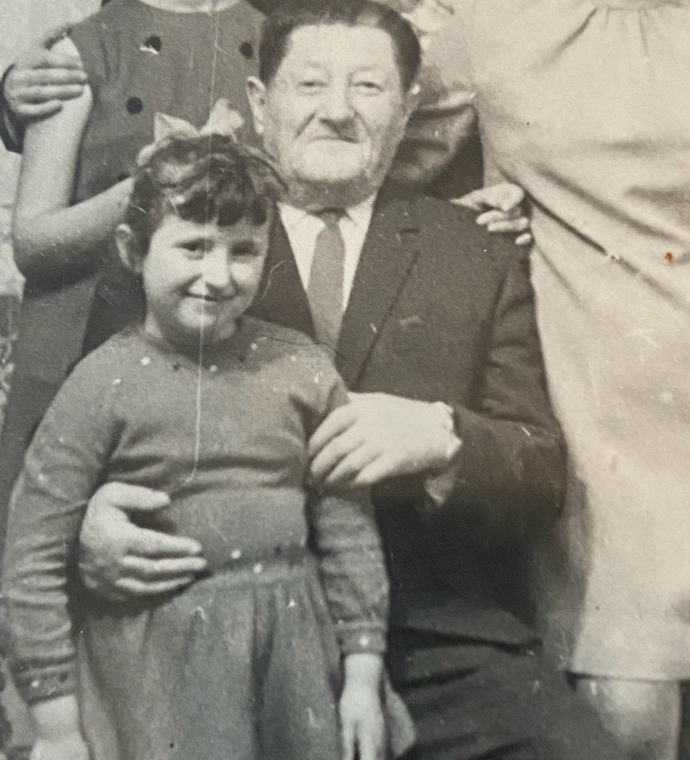
We talked about her childhood in Minsk. She told me about her first job delivering newspapers on a bicycle. She told me about her friends and best friend Oksana, her love for jump rope, the shooting range, and the beautiful winters in Belarus. She told me about the summer she spent in the Baltics, spending time with her grandparents, and the trips she took with her parents to seaside resorts. She remembered her frequent visits to the library, where she read many books and had an insatiable desire for Agatha Christie’s latest novels, until the librarian informed her that the author had passed away. She discussed her experience of emigrating to the United States, during which she lived briefly in Austria and for several months in Italy. The latter country she absolutely adored, and she remembered how she drank San Pellegrino for the first time and how Italians took a three-hour lunch to sit outside, drink, eat, and listen to music. Italian food and culture were always admired by her ever since her time in Italy. Shortly after emigrating, she heard that her childhood friend Sergey, the tallest boy in her class, was killed in Afghanistan while serving in the Soviet army. She was always sad about that.
My mother reminisced about living in Atlanta when she arrived in the United States. She remembered learning to drive on Buford Highway while listening to her favorite band, Blondie, and catching episodes of Gimme a Break! with Nell Carter, and cleaning apartments with my grandmother to earn money. She also worked at a chain called Big Boy to help her parents pay the bills. When my grandfather was laid off, the payments for the new couch in the living room still had to be made. She told her parents, “Don’t worry. I’ll work more hours and help you pay for it.” My grandfather remembered that years later and always appreciated her for that. She moved to New York City, and she always remained close to her parents. New York City became her home, and for the rest of her life, she proudly told people: “I am a New Yorker.” She then worked in physical therapy and started a family. For her children, she was the architect of their lives.
When I mentioned how difficult things had been in recent years, she responded. “That’s life,” and “It is what it is.” According to her, life is inherently complex, but there is only one solution, as the Russian proverb she would cite says: “Under a lying stone, water does not flow.” This means that no matter what happens, you can never give up and keep trying. She would always say: “When you’re dead, that’s the end. Otherwise, there’s always hope that things will be better. Hope dies last.” She always advised me never to publicize any fortunate result or occurrence. She would always say: “Happiness loves silence.” I told her that I was so grateful to her for being there to help and support me my whole life, and she responded: “No matter where you go or where you are, I will always be with you. You are my guardian angel.” That time with my mother on the balcony, enjoying the weather, was the greatest gift she could have ever given me. I can still see the rays of the sun on my mother’s face while sitting on the balcony during sunsets.
Because of our love for the season, I always took a long vacation from mid-October to mid-November. For my mother and me, this was our favorite time of year. I enjoyed taking long walks in autumn and loved the cold air, the changing color of leaves, and the seasonal decorations in our suburban community. I began feeling a sense of anxiety during that vacation. Looking around at the foliage in a park nearby, I began to be consumed by a certain unidentifiable dread. The pumpkins we placed on either side of our door rotted, and a statue that had stood outside for years broke suddenly after a windy night, knocking it over. Dark energy was creeping into our lives.
That autumn was wonderful as usual when we were together. My mother and I watched one of my favorite shows, The Office, and laughed when my mother said I was similar to Steve Carell’s character, Michael Scott. She and I watched her favorite Russian detective show with Muhtar the dog, as well as Dragnet and Bewitched. We visited antique shops, and my mother bought a few things, but found that one of the items she wanted was not available, so she spoke to the staff and arranged to be notified when it became available. She told me that we would have to return soon, and I was sure we would one day. For my birthday, we went to Luna Italian Cuisine, a wonderful restaurant. My mother ordered limoncello for dessert and arranged for the staff to come over, play music, and sing a birthday song to me in front of all the patrons with a birthday cake. As we walked out, my mother told the staff, “The food was delicious. The chef is wonderful. Tell him I said that. I’m from New York City. I know good Italian food.”
My mother’s birthday came next, and we drove to get her hair done, then celebrated at Shogun, our favorite Japanese restaurant. We enjoyed the sushi and the beautiful presentation that night of our meals. As the night was coming to an end, my mother didn’t want to go home yet, so we went to the mall, where she walked through every store and looked at every piece of clothing. I sat down in a chair from a short distance and realized how lucky I was to have her as she looked through the stores. She loved shopping, and I accompanied her late into Friday night as she satisfied her curiosity by walking through the stores. We drove back home in the cold night, satisfied that we had celebrated our birthdays properly. In recent years, my mother and I were the only ones celebrating our birthdays, and I will forever be grateful to her.
She and I were wrapped up in the election season. As with the past few elections, we arrived first on the early cold November morning. My mother was first in line at our voting district and she beamed with pride when she voted for her candidate, then we celebrated at a diner in the morning. We had dinner at Charm Thai Cuisine twice that month, and spent Friday night walking through a new clothing store. We were in the mood for Spanish food and went to Casa Mariachi on a cold autumn evening. We visited the Peppermill diner and Hunan Express nearby that month. My mother loved Chinese food, and Hunan Express was her favorite by far. My mother remarked that she didn’t have much of an appetite, and I insisted that she try to eat, but she couldn’t.
We visited an Italian bakery, where my mother and I picked out some delicious treats. She complimented the owners, a newly married Italian couple with a newborn, on the quality and variety they offered. They complained that nearby residents did not appreciate their bakery, and my mother responded, “In New York City, your business would do incredibly well. New Yorkers love fine Italian pastries.” My mother and I also visited a European food specialty store that we went to occasionally. The owner, a Russian woman, asked my mother in Russian whether she was feeling all right because her face had become gaunt. My mother said she needs more sleep to look refreshed.
Thanksgiving was approaching, and my mother was not feeling well, but she was determined to cook a great dinner. She was not well, and walking through stores and supermarkets became difficult for her, but she was determined to go to Giant to prepare a great Thanksgiving dinner. We bought Deerpark Water and Gatorade because my mother wanted me to be hydrated at work. My mother always stopped by the donuts, had me pick which ones I wanted, and was always on the lookout for Boston Cream Pie, which she knew was my favorite.
We shopped for all of the essentials for our Thanksgiving dinner, and even though her appetite was weak and she was nauseated, she focused on cooking. I sat down with her to eat a wonderful meal with just the two of us. She didn’t eat anything and said, “Even though I feel sick and don’t want to eat, I prepared this meal just for you.” For my mother, providing her loved ones with good meals was a labor of love until the end of her life. The meal was magnificent, and I wondered how long it would take for her symptoms to go away. She had days when she felt ill and lay in bed to recover, but she always bounced back in a day or two. It was our last autumn together, and it ended with a cozy night. It was “the calm before the storm.”
December came, and the darkest chapter of my life began. My mother had been ill, and we assumed it was a bad case of food poisoning. My mother travelled back to New York to see her doctor, while I had to stay for work. She was sent to Maimonides Hospital, and when I found out she was there, I made plans to drive out to New York the next morning. I walked through our suburban community, where my mother, Lila, and I had so many wonderful memories. It was cold, so I took a brisk walk to ease the dread I felt. I felt lonely without my best friend, and I came back from my walk, went to bed, and said a prayer for my mother. I arrived in New York and drove straight to the hospital, where my mother greeted me with a big smile in the emergency room. My worst fears came true, and we found out that she was suffering from an advanced stage of pancreatic cancer.
In the emergency room, we sat with my mother, and she was more concerned with whether her children had eaten than with her health problems. Pancreatic cancer was not something I was familiar with. I remembered Patrick Swayze and Steve Jobs dying from it, but I can never forget how Alex Trebek, host of my favorite game show Jeopardy!, was diagnosed with the disease and fought it until the very end as he worked right up until his death. I was also so inspired by Alex Trebek’s valiant fight to live, but even he admitted the prospects of survival were low. I never imagined that my mother would be stricken with the same deadly disease, but she was. My mother’s family was devoted to helping her overcome this in any way possible.
My mother was moved to the fifth floor with a bed by the window overlooking the New York City skyline. Her health problems multiplied rapidly, and before any necessary surgeries could be performed, she needed to stabilize and improve her health. The words by Dylan Thomas were present in my mind as he once wrote: “Do not go gentle into that good night. Rage, rage against the dying of the light.” We stayed with my mother day and night while battling her falling blood pressure and fluctuating glucose. Her body had become weaker, and she was no longer able to process solid food. One night, my mother’s blood pressure machine showed no data, and the nurse came by, and when she called out for my mother to wake up, there was no response. The nurse had a look of panic, indicating that she believed that the patient had died. I grabbed my mother’s arm, and she woke up. The machine malfunctioned, and our fight continued. My cousin Glenn visited frequently, and one night, when my mother was on the 5th floor, we discussed how everything that happens is beyond our control and a divine order of the universe reigns supreme, as difficult as it is for us to understand. As Marcus Aurelius once wrote: “Whatever happens to you has been waiting to happen since the beginning of time. The twining strands of fate wove both of them together: your own existence and the things that happen to you.” I still struggle to understand the necessity for this chain of events.
My mother came under the care of world-renowned surgeon Dr. Ronald Kaleya, MD. I genuinely believe it was divine providence that my mother was in a hospital with the foremost authority on pancreatic cancer. Dr. Kaleya and his team performed two surgeries on her, and when she was recovering, I sat with her when she began experiencing terrible abdominal pains. All the doctors on the 8th floor had agreed that she needed to heal, and morphine should not be administered. They examined the CT scans and concluded that nothing further was needed.
When Dr. Kaleya arrived, he reviewed all the scans and quickly assessed the situation. He ordered the nurses to give my mother morphine and get her ready for emergency surgery. The cause of her pain were dangerous abdominal leaks, and this situation proved that sometimes it takes one real expert to determine the root cause of the situation. As she began to feel better after being sedated, I whispered to her: “You were right.” She smiled as she fell asleep. When I had to move my mother’s things to the room she would be taken to post-surgery, I looked devastated, and one male nurse and a staffer came by and asked if they could help me, even carry my mother’s things to her new room. I did it myself, but I thanked them for offering to help.
My mother ended up having four major surgeries within nine days, and every surgery tested her loved ones as we waited in the waiting room with enormous anxiety. The few minutes between Dr. Kaleya’s call that he would be up to talk to us shortly and his actual arrival to tell us what my mother’s status was felt like an eternity. She survived four major surgeries, even though the risks were not in her favor. Shortly before her fourth surgery, my mother’s sister arrived from overseas. My mother’s eyes opened even though she was heavily sedated and unconscious, and the two sisters were now together. My mother couldn’t speak, but she was happy her big sister had arrived. While waiting during my mother’s surgery, I noticed an Italian-American family from Staten Island who were there for their elderly mother’s surgery the day of my mother’s 3rd surgery, and now were in the waiting room the same day as my mother’s fourth surgery. Their matriarch’s two surgeries fell on the same days and times as my mother’s. Their mother unfortunately died during surgery, and her sons were devastated and started planning a funeral, while my family was getting ready to see my mother, who fortunately survived. I realized how lucky we were.
My mother was back in the intensive care unit. One night, she turned to me and reminded me of the scene from The Godfather in which Michael Corleone, played by Al Pacino, arrived to visit his father, Vito Corleone, played by Marlon Brando, in the hospital. Michael moved his father to another room to protect him from rival mobsters. The father and son cry when they finally see each other. My mother indicated that she felt she was being protected, and she appreciated it. My mother endured several serious procedures, constant X-rays, CT scans, and many medical personnel attempting to help her. From physical therapy to respiratory treatment, Maimonides Hospital attempted everything to help improve her health.
My mother underwent several major procedures, many of them prompted by the fluid that continued to build up in her lungs. She had grown severely malnourished, and doctors relied on different forms of feeding tubes to supply the nutrients her body could no longer process on its own. Some interventions had to be done urgently, and each time I was handed a consent form outlining the risks. I signed with a knot in my stomach, but there was never any question that we would keep fighting for her. Just outside her room hung a plaque that read: “The most important thing in life is not the triumph but the struggle. The essential thing is not to have conquered but to have fought well. To spread these precepts is to build up a more valiant and above all a more scrupulous and generous humanity.” Those words echoed what my mother had always taught me: giving up is never an option.
Of course, our story was just one of scores of others. I was an eyewitness to many families facing life and death. My mother shared rooms with so many different patients. In the emergency room, an elderly man died while his wife wailed loudly. Next to my mother, in the same place, was a male patient who had been there a long time without a single visitor. On the fifth floor in my mother’s room, there was a woman who was clinically dead, and her children and grandchildren, while waiting for their matriarch’s imminent death, gathered to pray by her bedside.
My mother shared a room on the 8th floor with a woman who was 102 years old and began suffering health problems during the last two years of her life. During my mother’s stay in the hospital, a Chinese family frequently gathered in the waiting room of the 8th floor, crying because an elderly family member was in critical condition. The 8th floor was full of life and death situations that I observed, such as a young wife visiting her husband after an aneurysm, a wife and two daughters visiting their husband and father after a devastating stroke, an elderly woman and another family member crying hysterically when the woman’s husband was taken for emergency surgery after it was believed he was recovering well. While my mother was getting a CT scan, I sat next to a woman who was about to get scans to find out whether she had breast cancer and was utterly alone. I told her that I hoped everything turned out well for her, and she quietly thanked me.
One night, my mother shared a room with a woman who was mentally and physically ill, and her two sons came late at night to sit with her. One of the sons bought Italian pastries and offered my mother and me some, but as I lay in a recliner chair next to her, I told him my mother can’t eat solid food, so I declined on our behalf. The two sons sat with their mother late into the night. It was pretty touching. Their mother, who was quite aggressive and yelled at nurses to “get out of her house,” saw me and said, “It’s him again.” I explained to her that my mother was her “neighbor,” and the woman warmed up and smiled, then she said, “I hope she gets better.” On another day, my mother was in a room when an entire family came to visit their grandmotherly family member, who was suffering from an infection. The family offered to bring me coffee and donuts when they saw how tired and worn out I was, but I declined after thanking them. I did, however, appreciate the hospital camaraderie. We all wanted our loved ones to recover.
My sister, aunt, and I spent an enormous amount of time at Maimonides. We were there day and night. We slept in our mother’s hospital room to monitor her and make sure she was being taken care of. The 8th floor was as familiar to us as our own homes. When my mother had a new nurse, I introduced myself, and she responded: “Oh, I know who you are. You’re here every day. You’re famous.” My sister, aunt, and I became familiar faces, and hospital personnel would talk to us in the hallways and elevators and convey their best wishes for recovery, recognizing how long we had been there. The chaplains visited, wished my mother well, and said they hoped all our prayers would be answered.
There was a sign on the 8th floor that said: “Spread kindness like confetti.” Many staff members, nurses, residents, and most of all, Dr. Kaleya and his team showed my mother the care and concern that would be expected of medical professionals. While some doctors in the intensive care unit were hesitant and uninspired to treat my mother because of her grave prognosis, Dr. Kaleya and his team never gave up on her. As dire as the situation was, they tried enormously. One of Dr. Kaleya’s surgical residents came by to wish us well when he moved on to another rotation, and another surgical resident sat down with me late at night in the intensive care unit hallway to discuss why early detection of pancreatic cancer was so poor in the medical field. There were some genuinely great doctors under Dr. Kaleya’s leadership, and he fought to keep treating our mother until the very end, despite the objections of the intensive care unit doctors, whom he reproached for their lack of devotion, saying, “I hope you become doctors one day.” We asked him not to give up on her, and he never did. We will always be grateful for Dr. Kaleya’s expertise, dedication, and leadership.
My mother lost her voice and was completely bedridden for the last three weeks of her life. My aunt Anna reminisced with my mother about how they spent time together in Minsk and would give grades to homes they passed by based on how much they liked them. My mother nodded, acknowledging those memories. My mother’s recovery looked increasingly unlikely, and my aunt recalled her grandfather’s death and sadly asked her grandmother why he died so suddenly and relatively young. My aunt recalled her grandmother answering: “You don’t ask God questions.” My mother felt no pain or discomfort the last three weeks of her life, and I would like to think that was a result of our prayers. I spoke to my mother, and while she couldn’t speak, she would look lovingly at me and tilt her head to one side. I asked her if she was all right, and told her to try to speak if she could. Her last words were in Russian, in a soft, musical tone, as she said with a smile, “Everything is okay.”
During my mother’s last night, she slept but occasionally opened her eyes to look around. A few days earlier, my aunt and I witnessed a former patient who overcame lung cancer come back to the applause of the staff who remembered him. We had all hoped my mother would do the same one day, but unfortunately, her health was not improving. On my mother’s last day, Dr. Kaleya, who had been off to tend to personal matters, came in to see my mother. He was dedicated to her recovery until the end, but noted that her health was failing. A few hours passed after the early morning rounds of the nurses and doctors, and my mother succumbed to complications from pancreatic cancer. I was asked by the doctors about whether they should try to resuscitate her, which I asked them to do repeatedly. They tried their best, but unfortunately, my guardian angel had died.
Some medical personnel had genuinely offered their condolences, while others walked away or offered only a few words. My life was never going to be the same without her. After making funeral arrangements, I stayed at my aunt’s house, where my mother’s family members gathered. That night I had a vividly intense dream of my mother who, as she promised to do, visited me in my dreams. It was her from a distance, covered in darkness, and she asked me about where I was and whether I was all right. I answered affirmatively and told her not to worry. My mother’s love for her children broke beyond the barriers of life and death, the spiritual and physical.
The day of her funeral was a cold day with heavy rain, and I delivered the following eulogy for her: “My mother’s illness was brief, but her impact on her children’s lives will live on forever. I always said that my mother was my best friend, closest confidante, and guiding light. She was my best friend because her support throughout my life never wavered. She stood by us during every obstacle, peak and valley, and problem that came our way. She was our protector and did everything she could to help us. Her children were her first priority.”
She was my closest confidante because I knew that when I spoke to her, I could genuinely open up and share my innermost thoughts and feelings. I will remember sitting with her and talking for hours throughout the day and night. I would give anything to sit down with her again and connect with her in ways I never have with anyone else. Those conversations, those memories, and that warmth – I will cherish for as long as I live.
She was our guiding light. No one played a more important role in our lives. She encouraged her children to do well, move forward, and never give up. She insisted that I be strong and keep moving toward my dreams. Everything her children accomplished was a direct result of her encouragement and support.
During her time in the hospital, her children and sister never let her be alone, whether it was day or night. We stood by her side like she always stood by ours. We sat and slept in her hospital room without ever leaving her. Michelle, who will always be her mother’s princess, pushed every medical professional and explored every treatment to help cure her. Two days before my mother died, it was Michelle’s birthday, and she brought my mother a rose with lights in it, with two little bears encased in glass, symbolizing a mother and daughter. My mother lit up, and for a moment her sickness disappeared. Nothing made her happier.
Before my mother had her fourth major surgery, Anna flew in to be with her sister. My mother was heavily sedated and unconscious, but when Anna walked in and came up to her hospital bed, my mother suddenly awakened with her eyes wide open. She couldn’t speak, but seeing her sister made their souls connect. She was minutes away from going into surgery, but for that brief moment, she was full of strength. Her sister arrived, and words can’t describe how incredible that moment was.
Michelle, Anna, and I were blessed to have had enormous help from our family during this difficult time. From praying together to consoling each other, they were always there for us.
I will remember the days when our mother took us to museums, shows, and playgrounds, looking on with admiration. The smile she had when she saw that her children were happy was priceless. She was happy when her children were happy. She was a real mother.
I will always be Zina’s son. When I wake up in the morning, I will be Zina’s son. When I go to sleep at night, I will be Zina’s son. Everything that I ever accomplish will be because I am her son.
She was named after her father’s aunt, who perished in a concentration camp. I know that her parents were her foundation, and her sister was always there for her. Her parents went with her everywhere, whether it was movies, restaurants, or events. They always said that she never treated them like an elderly couple. She treated them like they were her friends, which they were. They always enjoyed spending time together. When my mother built a home in the Pocono Mountains, she designed her parents’ room as the largest bedroom, out of love and respect for them. Family always came first for my mother.
She held a special place in her heart for her family members from Atlanta. We are grateful that they flew in for this day.
Your time on this earth was too short, Mama. You will be in our minds and hearts forever. Your children are your legacy, and we owe everything to you. I hope to see you again one day with that warmth and proud smile you had when you saw your children. That look of pure joy and pride when you saw us will stay in my memory forever.
My favorite memory of my mother will always be when she took us to school during winter and put her arms around us to keep us warm. Thank you for always keeping us warm. You were always our protector.
My mother left her children notes, always saying: “I love you. I kiss you. Your Mama.” I will cherish those notes for the rest of my life.
When I close my eyes, I will remember sitting with her on our balcony, talking about life while watching the sunset. All I want now is to go back to those days. How I wish I could go back to when we celebrated our birthdays together.
Thank you for being an incredible mother.
I asked my mother when her time on this earth came to an end to visit me in my dreams. I look forward to seeing her in my dreams and hearing the beautiful Russian lullabies she sang to us.
Goodbye, Mama.
After forty years, it was time to clean out my mother’s apartment. Like with my grandparents’ apartment, it was an intensely painful ordeal. I always felt someone’s home was the most potent reminder of a person’s life, and now my mother, who always loved her apartment, was not there. Memories of the past were everywhere I looked. I remembered my grandfather coming in on a Saturday afternoon and asking my mother how to tell his co-workers in English that he was retiring. I remembered my grandmother sitting at the kitchen table at night, talking to my mother about various family issues. I remember being in the elevator when I ran into my great-aunt Raisa, who also frequently visited us. I stood outside, looking around at the green fields, and remembered all those childhood memories of playing on the grass and riding my bike.
I thought about how all those elderly residents I had come to know were now long gone, and I visited my grandfather’s building and walked past his apartment, where he and my grandmother had lived for 30 years. It was at night, and I stood by the door for a few moments, remembering how many times it had opened and how my grandparents had greeted me.
Standing outside, I remembered those sweet days of childhood when I ran around the sprinklers, sunbathed outside with my grandfather on a blanket, but had to come back inside his apartment when it started raining, played in the sandbox, and sat on the benches with my mother, sister, grandparents, and great aunt.
Years later, when we returned to New York for my mother’s doctor visits and to take care of her affairs, we arrived from our four-hour car ride late one night. I needed to retrieve something from my car, so I went back outside past midnight while my mother was in the apartment. My mother was worried when I walked out late at night, waited anxiously for my return, stood on the balcony to try to see where I was, and was relieved when I returned. Even as an adult, my mother cared for my safety the same way she did when I was a toddler. She reminded me: “I worried that you would fall when you learned to walk, and I still worry about you now.” Her love for children was a constant throughout our lives.
Only a few months before she died, she was greeted by neighbors who had known her for years in New York. They complimented her on how well-dressed she was and how nice she looked, and told her she looked like: “A classy lady from Manhattan.” I was so proud to hear that. As we left that night, we ran into a young man on our floor who lived with his mother and dog for years, but now had been alone with his dog since his mother died. My mother spoke to him and tried to comfort him by talking about how he has his dog as a companion. I felt so sorry for the gentleman, and I couldn’t imagine living without my mother, but this fate awaited me.
Shortly before I left my mother’s apartment, I looked around and remembered those wonderful mornings when my mother stood in the kitchen cooking with the radio on. When I walked out of our building for the last time, I remembered all those times my mother did laundry in the laundry room while my sister and I ran around playing there. I thought about how many neighbors my mother had helped throughout the years. My mother’s kindness lives on.
A few years before she became ill, I found some old comic books my mother had bought for me when I was a youngster. I threw them out, but my mother said I should keep them for my memories. It was not long after this that I felt nostalgic and regretted throwing out the childhood comic books that my mother would bring me, along with chocolate milk, when she would come home after work while I was watching Full House and Saved by the Bell.
After her death, I found them still in my possession. She had retrieved them before they were taken outside to the garbage bin. My mother anticipated that I would become nostalgic and regret throwing them out. My mother knew me better than I knew myself. Just as I was wrong when I confidently asserted to her that food shopping once a week is unnecessary, she was absolutely right. She always reminded me that your first duty should be to your family to feed them well, and a home that is lacking in food and cooking is not a real home. I told my mother a few days before she died in the hospital that she was always right about everything. She smiled and nodded in approval. As she always said: “Mama is always right.” It was true.
My mother visited me in my dreams frequently as she promised, and in one dream, she was on her bed as I approached her. I hugged her and rested my head on her stomach. Her face was beaming with happiness, and with a big smile, she said, “Why are you crying? It is time for me to go in.” I would like to believe that this was her message to me: that she had been admitted to heaven and was with God again.
I visited the cemetery one hot summer day, and while standing and remembering my mother, the clouds covered the sun, and a cool breeze reminiscent of autumn set in. I am reminded of the words written by Mary Elizabeth Frye about the death of a loved one: “When you awaken in the morning’s hush, I am the swift uplifting rush. Of quiet birds in circled flight. I am the soft stars that shine at night.” The cool weather took me back to our last autumn together, when we sat on our balcony, with the sun’s rays on my mother’s face as it set, and we were in complete harmony, sharing all our thoughts and observations. My mother’s role in my life has become spiritual. Her spirit, love, guidance, devotion, and warmth are now part of my every ste,p even though she is gone. She will be in my thoughts, memories, and heart forever.
My only hope is that I continue to see her in my dreams. I am reminded of Mikhail Lermontov’s poem.
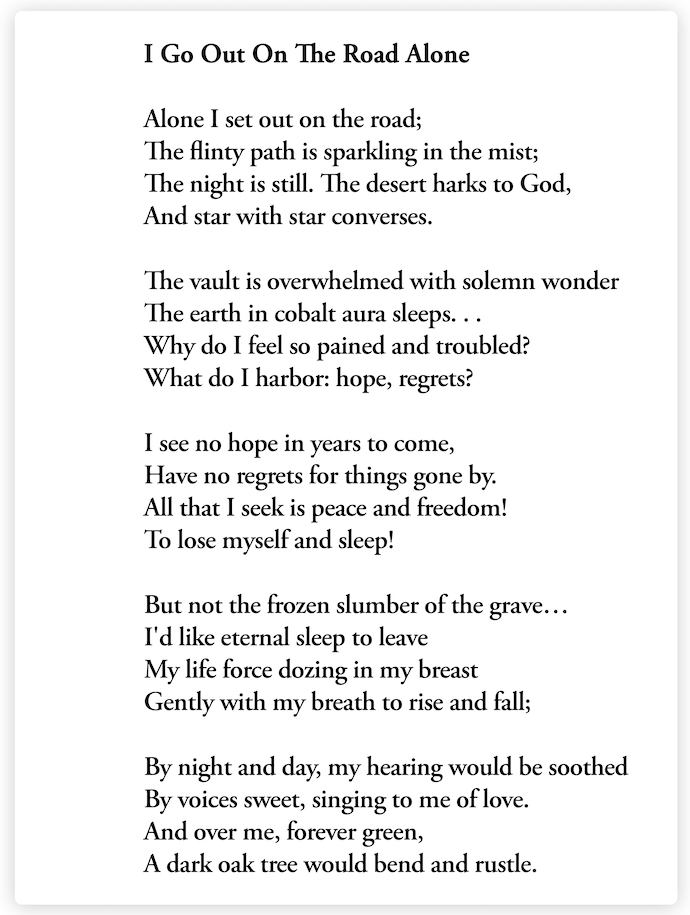 I go to sleep each night hoping to see her face and smile, feel her warmth, and experience her unconditional love and support. I will close my eyes and take myself back to the days when she and I sat on our townhouse balcony, drank hot chocolate in our Poconos home surrounded by snow, and watched her cook and listen to music in our kitchen in Starrett City. The years ahead will be painful without her, but I look forward to dreaming about the time in my life when she was in it, when her love filled it. The adage, “Home is where your mother is,” was the defining force in my life, and I will spend the rest of my life reminiscing about the wonderful life and home she created and maintained for her children. She was our foundation.
During my visit to the cemetery that day, I realized that of the three of us in the townhouse, I was the last one left, and then my memories of my mother flooded in. My earliest memory of her was of her eating apples and mandarins and always giving me pieces to eat because she was always a nurturing, loving mother. I will always remember her walking me to my preschool/kindergarten in Starrett City during the winter. While we walked in the cold, she would put one arm around me and tuck my hand next to hers into her pocket to keep me warm. I will never forget her smile from ear to ear, the sheer joy on her face, and the glow she emanated when we were reunited when she walked out of her bedroom and walked into the hallway of our townhouse when she came back from New York during the last autumn of her life.
The sun has set on my mother’s life, and my world has become cold and lonely with a dark, gray sky. Now that a dark ocean of grief separates my mother and me, I have my memories of her, which I will always cherish. I remember when I was a teenager, she would tell me always to remember these years when my mother was with me and to appreciate them because she would not be around forever. The serenity and harmony we shared when we were together will be in my thoughts and dreams forever. After my mother’s death, we found a video she recorded of herself for her children a few years earlier. In it, she talked about how she missed us and ended the video with the following words: “Remember that no one will ever love you as much as I do.”
The calm winds of autumn have returned, and memories of putting up autumn decorations, celebrating our birthdays, voting, enjoying her Thanksgiving dinners, and telling each other on New Year’s Eve that we will always be together and overcome life’s obstacles are present in my mind. Now that I look into that dark ocean of grief and realize I will be truly alone without her for the rest of my life, I will rely on my memories to try to alleviate the pain. The agony of knowing I will be alone on my birthday without her and will never be able to celebrate her birthday with her will always be excruciating. I miss her more each day. I appreciate her more deeply as I remember her. As time passed, I realized that everything she told me and warned me about turned out to be true, and she was always right.
She is now with me in spirit, and as painful as it is, I will look up to the dark, grey sky and peer through the dark ocean of grief that is part of my life, wishing I could be with her again and hear the beautiful Russian lullabies she sang to us when we were children. The memories of my best friend, closest confidante, and guiding light are my greatest treasure. Mama always told me: “Your heart beat next to mine for 9 months. You are a part of me.”
I returned to the cemetery on a cold autumn morning and realized how incomplete I was without the woman who gave me life. Everything I am and ever will be is because of her love, guidance, and selfless devotion. I will always be proud to be Zina’s son, and I will cherish the memories of my mother, who kept her children warm under her wing.
Thank you for always keeping us warm, Mama. My memories of you will warm and strengthen me until my last moment on this earth.