Building Trust at Odesa’s Mishpacha Children’s Home
For the children at Odesa’s Mishpacha Children’s Home, education involves more than what happens in a classroom. It also means learning to trust the adults around them, gaining confidence, and preparing to make choices of their own. In this conversation with Scott Douglas Jacobsen, Chaya Wolff and Rivka Wolff discuss how they approach that work, from caring for children who arrive after difficult early experiences to helping young adults build independent lives.
Chaya Wolff is an educator and co-director of Chabad in Odesa, Ukraine, alongside her husband, Rabbi Avraham Wolff. A former teacher in Kherson, she helps lead the Mishpacha Children’s Home and the community’s educational work, supporting vulnerable Jewish children through schooling and ongoing care.
Rivka Wolff, a teacher in Odesa’s Mishpacha Chabad community, grew up in a Chabad family in Parsippany, New Jersey. Her involvement with Ukraine began before her marriage to Berke Wolff in 2024. Together, the two educators reflect on the home’s beginnings, the practical demands of caring for children, and what it means to see those children establish families of their own.
Scott Douglas Jacobsen: How does the Mishpacha Children’s Home work with the Chabad schools, and how is education organized for boys and girls?
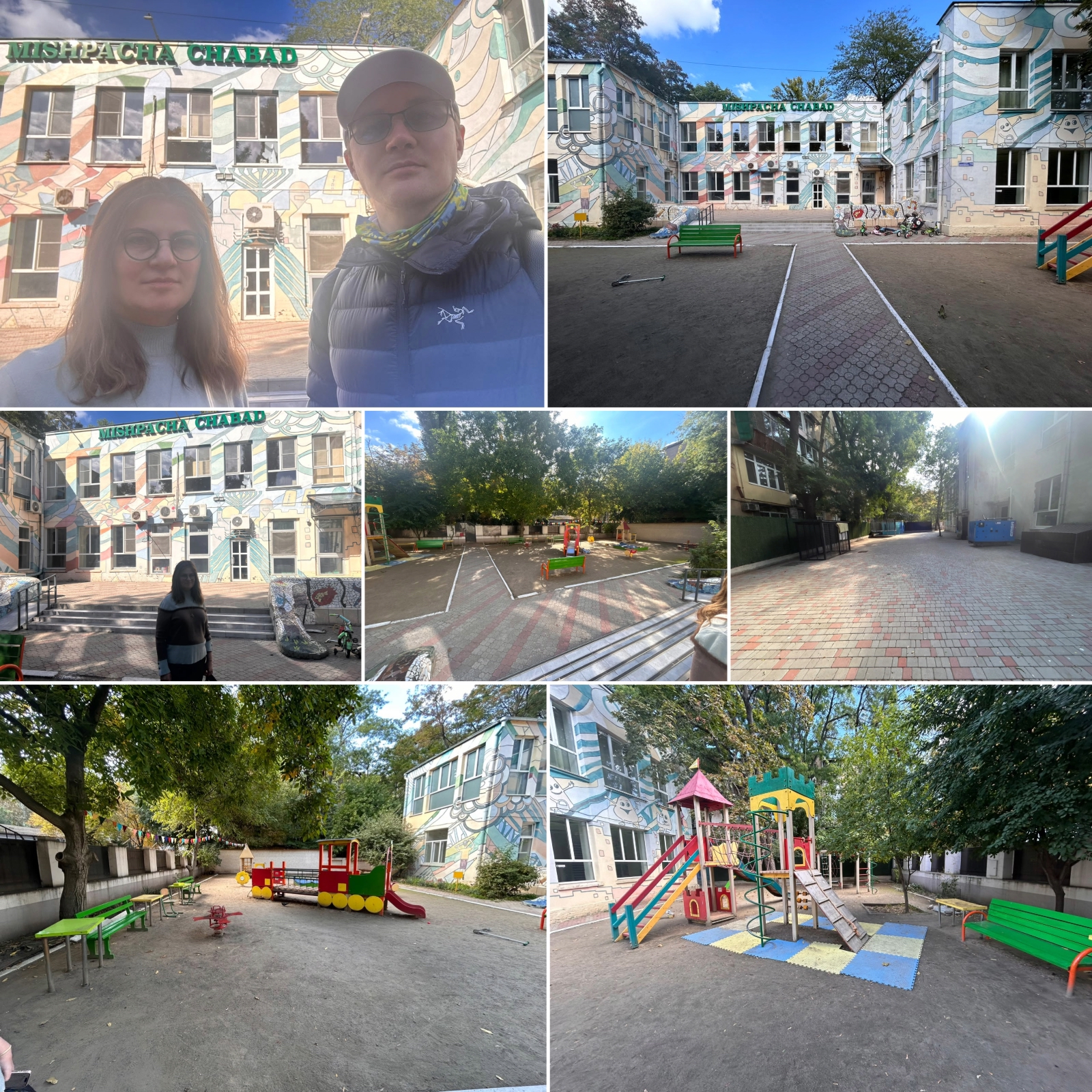
Chaya Wolff: Mishpacha is part of our Chabad community here in Odesa. The children attend our Chabad schools, including the Or Avner schools. We are now in the boys’ building. We have already visited the kindergarten, and we have another building for the girls. It is the same organization. We do a lot of things together, but we also have separate arrangements for the boys and girls, including their religious education.
The boys can continue their religious studies in a yeshiva. After school, they can go to a yeshiva or a university. They can choose what they want. We have sent some girls to Israel for educational programs. There are different possibilities for continuing their studies. After our school, after our university [Jewish University “Chabad-Odessa”], they can go wherever they want. We want them to have a good education so they can make those choices themselves.
Jacobsen: Rivka, how do you balance teaching with the individual care each child needs?
Rivka Wolff: Well, different children need different things. You have the educational side, but you also have to pay attention to how a child is feeling and whether they are comfortable enough to learn. In each setting, you focus a little more on different things. But the point is that we keep everybody happy. For me, that means looking at the individual child. You want them to feel included, to participate, and to know that someone is paying attention to them.
Jacobsen: How do the children’s needs change as they grow older, and how do you help them become more independent?
Rivka Wolff: As children get older, they become more independent, and their relationships with the adults around them change. That can be a delicate stage. You have to be careful and make sure that they have support while they are going through those changes. You want them to be able to talk to someone and ask questions. You also want to give them room to grow without leaving them to manage everything alone. We try to keep them as safe as we can at that age.
As they get older, the idea is the same, but the process is a little different. We invest a lot of energy, specialist support, and time in helping each child through the difficulties they face.
Chaya Wolff: It also depends on when the child comes to us and what happened before. We have children whose mothers gave birth and then left. Some children came to us from the hospital when they were only a few days old. We also have children who came at twelve years old, after twelve years of living in difficult circumstances. It is different. It is very hard. A child who comes when they are older already has their own experiences. It takes time for them to trust us.
We provide medical and psychological care, as well as education and the everyday things they need. We have what the child needs to grow, to become calmer, and to understand that there are good people around them. It is very hard to explain to them that we want only good things for them.
But a good mother or a good father also says, “You cannot eat this. You cannot go there. You cannot do this.” Sometimes they do not understand why we say no. We have to show them that the rules are there because we care about them. And, you know, like any child at home, from ten or twelve years old until twenty-five, they want to be independent. So it is difficult. We have to help them understand that we want the best for them. We try. We try to do our best.
We see that eighty-five percent of the children who grow up in our home get married, have a family, and work to support themselves. They go on to live a normal life. But the other fifteen percent go back to the circumstances they knew before, with their relatives or their families. The children do not all have the same outcome. Some need more help, even after they grow up. We want them to be able to build their own lives.
Jacobsen: What do you find most rewarding about this work?
Chaya Wolff: When I see the children getting married, having a husband or wife, having a baby, and working to support themselves, that means a lot to me. We do not have to help them with everything anymore. Their children go to our kindergarten and our school. We already have a student at our university whose parent grew up with us. So we think we are doing a good job.
Rivka Wolff: I am still new here, so I see it from a different stage. I am getting to know the children and learning about their experiences. For me, it begins with the everyday things. Are they safe? Do they have what they need? Is someone listening to them? Having clean clothing, being ready for school, and knowing that an adult will help them can make a difference to how they approach the day. As a teacher, you want to help them build confidence and feel that they can take the next step.
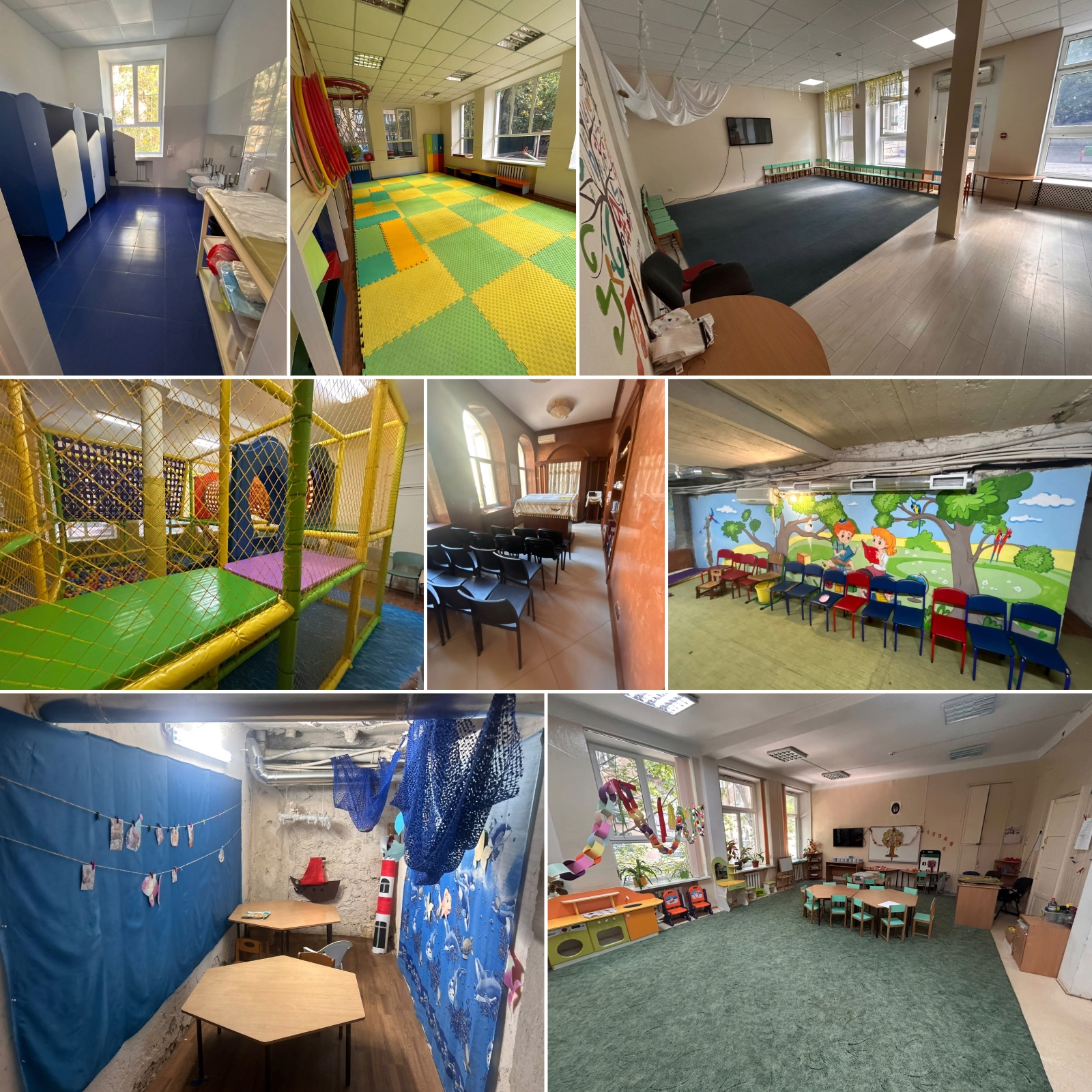
Chaya Wolff: When you go to the kindergarten or school, you cannot tell which children are from our orphanage and which live with their own families. They are very clean, very nicely dressed. They have good clothes. They are learning. They study together with the other children. We do not want them to feel different because they live in the children’s home. We do everything we can so that they can make their own choices.
Jacobsen: Do former students return to share their experiences? What does it mean to you to see how their lives have developed?
Chaya Wolff: Some do. They are very thankful. They understand that without us, they would have been in a completely different place. But not many people come back to say that, you know. For me, I am not here for thanks. When I see that they are doing well, that is enough for me. This is what I want: for them to live well and have a good life.
Jacobsen: Which religious teachings or examples guide your work, and how did they shape your decision to serve this community?
Chaya Wolff: Our work comes from our commitment to Chabad and the example of the Lubavitcher Rebbe, Rabbi Menachem Mendel Schneerson, in New York. Education and responsibility for other people are central to that work. We have to think about the next generation. As mothers, as wives, we have our homes and our children. But there are also other children who do not have a mother. So we have to help them.
We came to work for this community. Our work in Ukraine began in Kherson in 1992, and we came to Odesa in 1998. There was a great deal to build. Everything you see here, we built with help from other people and other families who came.
In the beginning, we had nothing. We started with what we could do and built from there.
Jacobsen: What prompted you to open the children’s home, and how did you get it started?
Chaya Wolff: The children’s home began in 2001. One grandmother came to us with two grandchildren. She said she wanted the children to live in our home because their mother had died during the night. She was elderly and could not care for them herself. The children were six and eight.
We did not know what to do. We could not simply take in two children without making arrangements to care for them. My husband offered her a hundred dollars. At that time, it was a lot of money. He said, “I will give you a hundred dollars each month to support the children.” She said, “No, I cannot. I do not have the space. I do not have beds for them. I do not have anything.”
So I told her, “Okay, come back in a week.” Then we understood that we had to do something for them. We asked how we could set it up. And then we started. We had to find somewhere for the children to live and arrange for people to care for them.
We started asking people whether they knew of children in similar situations. We began with a small group. As people heard about us, more children who needed help came to us. That is how the home grew.
Jacobsen: Rivka, how has growing up in a Chabad family in New Jersey shaped your approach to this work?
Rivka Wolff: I grew up in New Jersey in a Chabad family. The idea of caring about other people was part of how we were raised. We were encouraged to look beyond our own home and think about what we could do for someone else. Here, that becomes very practical. You are working with children, getting to know them, and trying to help with what they need each day. I am still learning, but that is something I can contribute to.
Jacobsen: Thank you both for your time and for sharing your experiences.