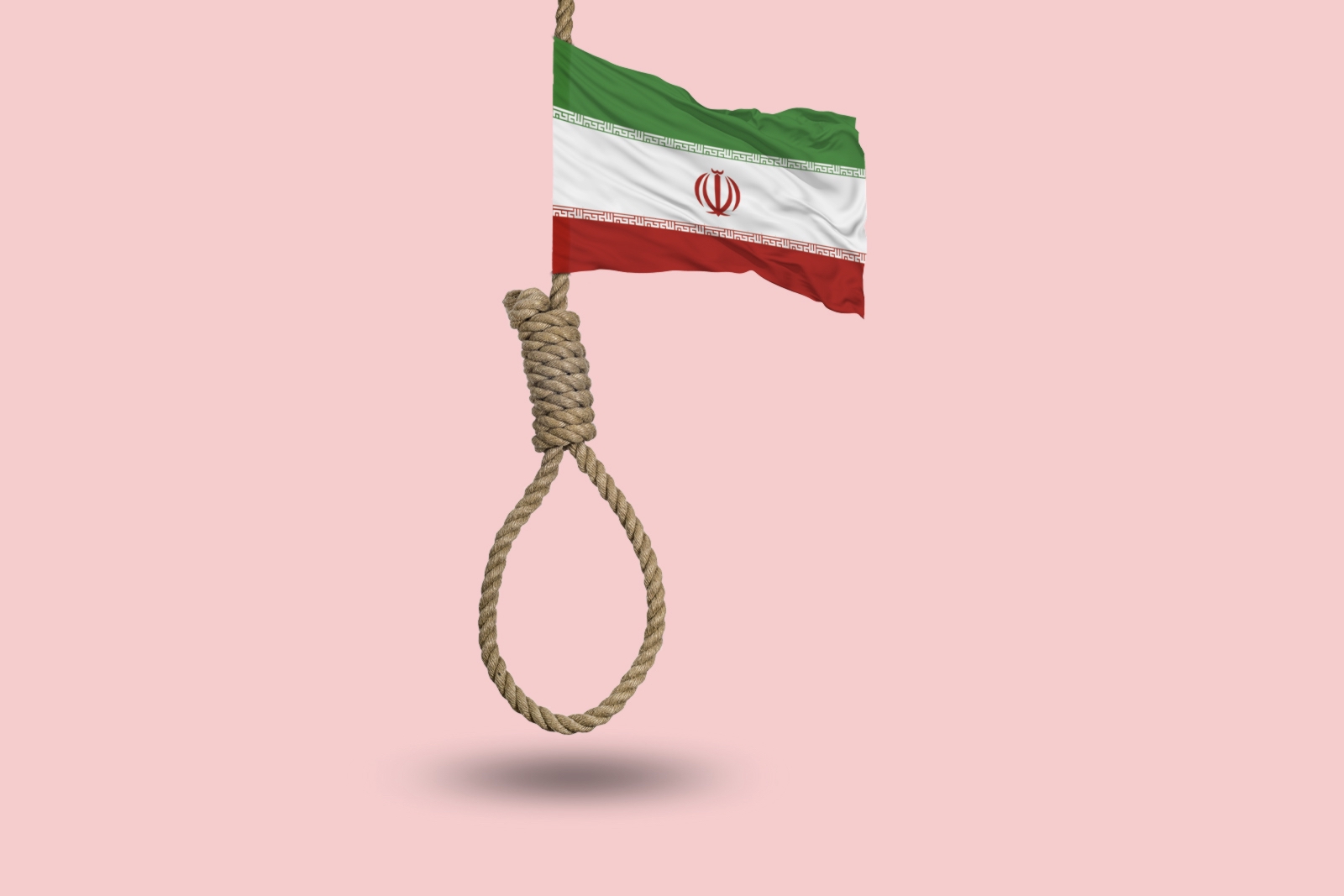

Cracks in the Republic: The Truckers Who Terrify Tehran
The foundations of the Islamic Republic are beginning to buckle. For nearly two weeks, truck drivers in 155 cities across all 31 provinces brought the country’s transportation network to a crawl. What began as a labor strike quickly transformed into a national act of defiance, with taxi drivers joining the wave. This was no mere economic protest—it was a visceral outcry from a population long battered by authoritarian excess and economic despair.
Behind this act of civil resistance looms a government increasingly reliant on terror. Under President Masoud Pezeshkian, Iran has witnessed a harrowing surge in state executions—a grim instrument wielded not for justice but to keep dissent in check. Since the beginning of his term in July 2024, at least 1,339 people have been executed, with 175 hangings recorded in just one month. These are not aberrations. They are strategic. Public executions are staged as theater—macabre displays meant to suppress the very spirit they inevitably provoke.
It’s a gamble born of fear. As discontent spreads—fueled by inflation, endemic corruption, suffocating censorship, and theocratic decrees—the regime clings to one of the last tools in its arsenal: violence. But violence, as history often reminds us, is a blunt weapon. And Iran’s streets are growing louder, not quieter.
Remarkably, even under the weight of intimidation and threats—invalidated licenses, frozen benefits, court summonses—the striking truck drivers have only hardened their resolve. They demand the immediate release of arrested colleagues, including nine from Bijar, whose detentions have become a rallying point. The show of solidarity has expanded: the Syndicate of Workers of the Tehran and Suburbs Bus Company has publicly backed the strikers, denouncing the government’s “repressive and inhumane” response.
That support has not gone unnoticed in the corridors of power. Reza Nouri, a Friday prayer leader in Bojnourd, gave voice to the regime’s unease, accusing “the enemy” of trying to turn a minor quarrel into widespread unrest. The regime’s response? A mix of condescension and concession. Officials suddenly acknowledged that “freight tariffs haven’t been updated for years” and “insurance premiums are unaffordable.” Too little. Too late. The people aren’t just seeking marginal policy tweaks—they are calling for change at the root.
Adding to the regime’s anxiety is its unraveling influence beyond its borders. Hezbollah’s stature has diminished. Bashar al-Assad—once a keystone of Tehran’s regional architecture—is presumably living a life of luxury in Moscow. The Houthis have suffered strategic losses. Iraqi Shiite militias face mounting pressure to disarm. Meanwhile, Washington and the EU-3 are intensifying demands for Tehran to dismantle its nuclear infrastructure and halt ballistic missile production. The dual pressure—internal rebellion and external isolation—is mounting.
But the most quietly devastating revelation for Tehran may be this: the strikes are not organic outbursts. They’re orchestrated. According to the regime’s own admission, members of the Resistance Units—underground cells linked to Iran’s principal opposition network—were instrumental in planning and sustaining the protest. These agile, decentralized activists have been quietly building capacity across the country. Teachers, pensioners, bakers, and now truckers—they are being connected not just by grievance, but by coordination. In an autocracy, organization is subversion.
And subversion, in this context, is contagious. What’s brewing in Iran is no longer just discontent. It is momentum.
The convergence of mass labor strikes, escalating executions, and the regime’s crumbling regional footing signals a profound turning point. What we are witnessing is not the slow simmer of protest, but a society approaching ignition. The Islamic Republic, long insulated by fear and fueled by repression, is facing a crisis that brute force can no longer contain.
The question now is not whether the regime is losing control—it is how long it can delay the reckoning. Iran’s citizens are not merely resisting; they are redefining the possibilities of their future. Their courage demands more than passive observation. It calls for solidarity, moral clarity, and the recognition that what’s at stake is not just the fate of a nation, but the universal struggle for dignity in the face of despotism.