Miro Vanadze on MMA, Georgia, and Ukraine’s War Against Russia
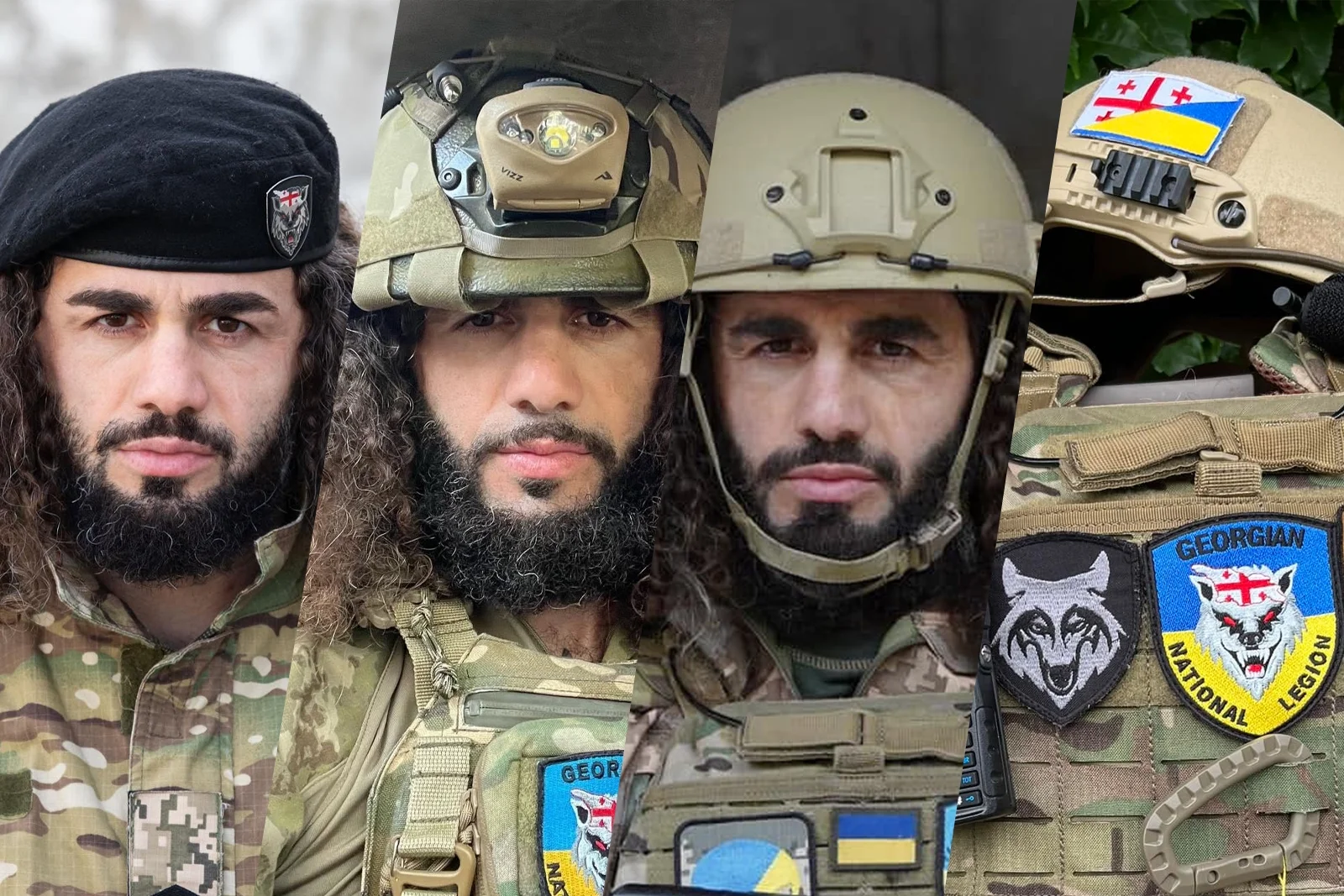
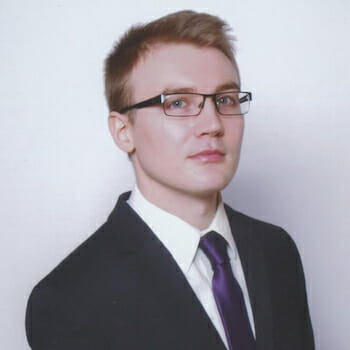
Miro Vanadze is a Georgian mixed martial artist and public figure from Batumi. A two-time WGFC MMA world champion and pro-Ukraine volunteer fighter, he served with Ukraine’s 28th Mechanized Brigade following Russia’s full-scale invasion. He is also president of the International Assembly of Georgian People, where he promotes Georgian-Ukrainian solidarity, civic engagement, and resistance to Russian aggression through public campaigns and media appearances.
In this interview with Scott Douglas Jacobsen, Vanadze contrasts NATO military training with Russia’s Soviet-era methods and explains how drones have transformed Ukraine’s defense while exposing weaknesses in the Russian military. He also reflects on Volodymyr Zelensky’s wartime leadership and argues that Ukraine’s future as a strong European democracy will depend on its ability to enact meaningful reforms and confront corruption after the war.
Scott Douglas Jacobsen: Based on your experience, how do contemporary Russian military training methods compare with those used by Ukrainian and Georgian forces?
Miro Vanadze: Russian military training is still behind and based on Soviet standards. Our NATO standards are much better than Russian standards. The Russians are behind in development. We follow NATO standards and have good equipment, modern systems, and up-to-date training plans.
Jacobsen: How have drones helped Ukraine counter Russia’s advantages in manpower and conventional military power?
Vanadze: Drones gave Ukraine the ability to defend the state and save lives. They gave us the ability to protect children, families, and our land. Drones also helped show that the so-called “second army of the world” is a fake.
Drones gave Ukraine the ability to strike targets inside Russia, including Moscow. You can find this in the news. It all began with the use of drones. Fuck Russia!
Jacobsen: How do you assess President Zelensky’s wartime leadership, and what qualities should Ukraine’s leader possess once the war is over?
Vanadze: Zelensky is the best and bravest leader. He did not leave. He stayed close to Ukrainians. Despite the problems, the threats, and the danger to his life, he has shown himself to be a strong hero. He stands and fights.
I respect him. He is a good man. After him, I would like to see a leader who can make reforms after the war.
I understand that corruption exists everywhere, but I do not like seeing officials accused of stealing hundreds of millions of hryvnias. Some people are put under house arrest, and that is all. Someone can steal 300 or 400 million during the war and not be properly punished. I do not like that. No one should be above the law.
I think that if Ukrainians can fight corruption after the war, Ukraine will become one of the best states in Europe. Even now, when I look at Ukraine in the 21st century, I see great potential. Kyiv is a European capital, and Ukraine can become a truly strong European state.
I want Ukraine to overcome corruption, including raider seizures and the misuse of public property. If Zelensky can build such a team, then they will truly fight corruption. That is the kind of person I want to see.
Zelensky is the best leader, a brave one. He was not afraid and stayed with the Ukrainians. There have been many threats to his life, but he keeps fighting. I respect him. After victory, I would like a leader who can implement anti-corruption reforms, because I do not like it when officials steal millions and go unpunished.
No one should be above the law. I believe that if Ukrainians are able to fight corruption after the war, Ukraine will become one of the best countries in Europe, and even in the world. I want reforms. I want to see Ukraine as a great democracy and a European country. If Zelensky builds a strong team, there will be success.
Jacobsen: Thank you very much for your time, Miro.