
Culture

Our Biggest Problem Isn’t Polarization. It’s Fear.
We like to imagine polarization is a purely political phenomenon. It isn’t. It’s about fear—and fear has become the accelerant and atmosphere of our culture wars.
In the past couple of months, we’ve witnessed the murder of Charlie Kirk, the attempted cancellation of Jimmy Kimmel, and a mass turnout at a Tommy Robinson rally. What links these incidents is their power to provoke intensely polarized reactions.
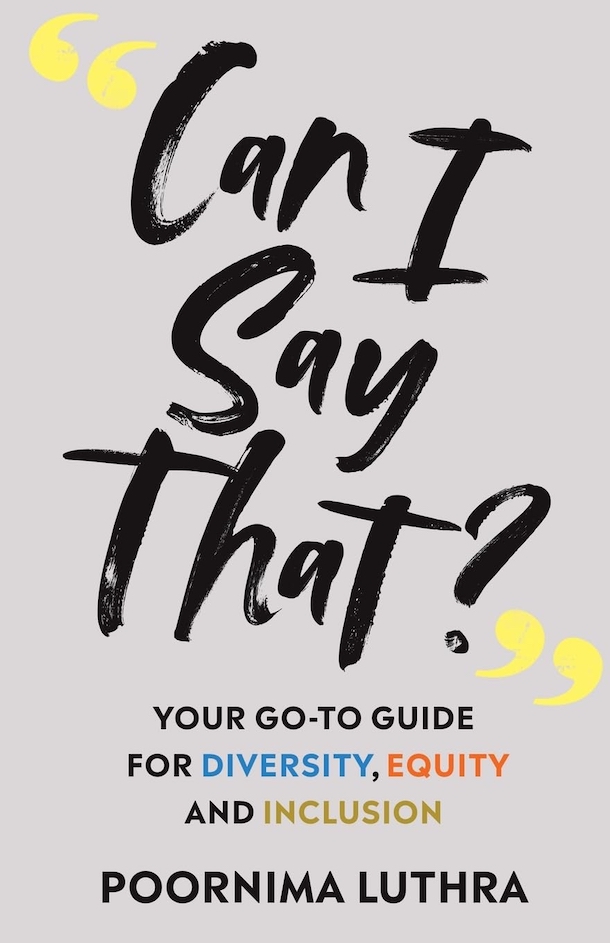
Across the political spectrum, people say they feel like they’re walking on eggshells. Some avoid conversations altogether—even with close family and friends—worried that a single misstep could unleash backlash. The unspoken question is everywhere: Can I say that? That sense of fragility shapes daily life.
In my research, I’ve found that today’s polarization is less about deep ideological divides and more about five core fears. The first is a fear of change. Put another way, it’s a fear of losing power, status, or freedom of expression; facing the unknown; or being forced to do things differently. The second is a fear of getting it wrong. In other words, saying the wrong thing, being “canceled,” or using the wrong language. The third is a fear of discomfort or avoiding hard conversations that challenge our self-image as “good people” or expose hidden biases. The fourth is a fear of taking action or risking relationships, conflict, or even personal safety. Finally, the fifth fear is believing that dialogue can’t bridge divides or create meaningful change.
Fear often grows out of the unknown and thrives in ignorance. The less we know about one another, the easier it is for fear to spread. And once fear sets in, it narrows our choices: we retreat into our silos, double down on our own “side,” and stop listening.
So, what can we do?
First, we need to recognize fear for what it is. In cultures that prize optimism and toughness, admitting fear can feel like weakness. But until we name it, we can’t address it. Pretending fear doesn’t exist only gives it more power and reach.
Second, we must replace ignorance with curiosity. That means actively seeking out perspectives we don’t agree with and looking for credible evidence that challenges our assumptions. This isn’t about changing our minds on every issue; it’s about refusing to let the unknown harden into fear.
Third, we need to practice real dialogue. Much of what passes for dialogue today is actually debate—two parties staking out positions and defending them to the end. Dialogue is different. It requires vulnerability; the willingness to listen without judgment; the capacity to hold space for multiple realities; and the courage to risk having our views challenged.
I’ve seen employees go silent in meetings about diversity and inclusion—not because they don’t care, but because they’re terrified of saying the wrong thing. That silence isn’t neutral; it’s rooted in fear.
Yet when teams are given structured ways to listen to one another without fear of punishment, the tone changes. People ask questions and admit uncertainty. The conversation becomes less about defending positions and more about learning from one another. As a result, fear loosens its grip and the room becomes more honest.
This kind of dialogue is hard, but it’s also contagious. Small acts of curiosity and courage can ripple outward. Within our families, schools, communities, and workplaces, we can either reinforce the silence that fear creates or break it by speaking, listening, and engaging differently—again and again.
The real question isn’t whether polarization is inevitable. The real question is whether we are willing to face the fears that keep us from speaking to one another at all.
Polarization won’t disappear overnight. But if we want to reduce its hold on us, we must start where it begins: with fear. We can’t wish it away. We have to confront it, name it, and choose to act in spite of it. That work starts now.