
Panama’s Gold Is Green
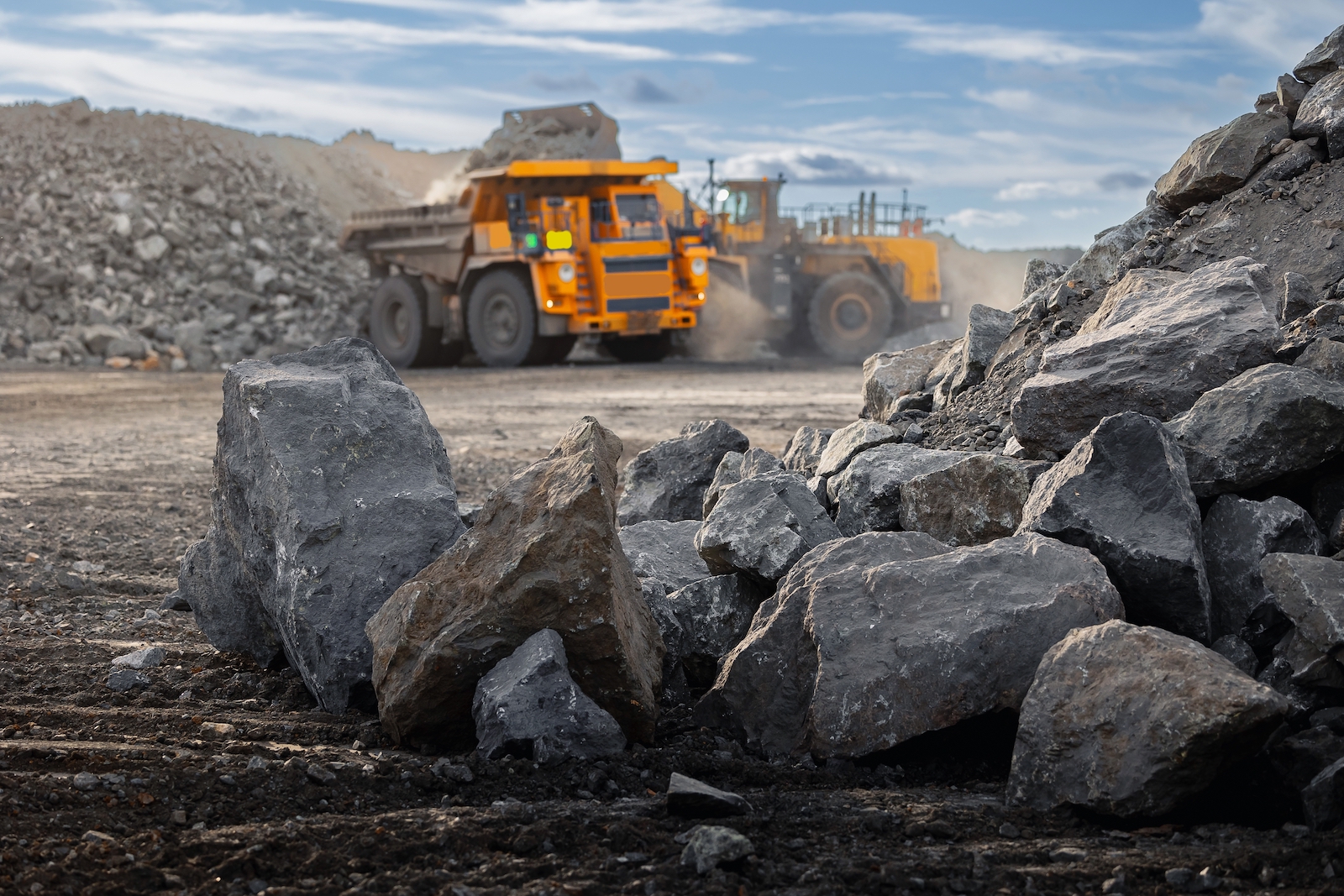
Panama shut down a $10 billion mine—and in doing so, drew a line that reverberated far beyond its borders: our land, rivers, and people are not for sale. In 2023, the country made a decision that rattled global markets and electrified its streets. After weeks of sustained citizen protests, Panama’s Supreme Court ruled that the $10 billion contract with the Canadian company First Quantum Minerals was unconstitutional. Soon after, Law 406 banned new mining concessions altogether. The Cobre Panamá mine—responsible for roughly 1.5 percent of the world’s copper and 5 percent of Panama’s GDP—fell silent.
To some, the move looked like economic self-sabotage. The Cobre Panamá mine alone accounted for roughly 75 percent of the nation’s exports. Workers fear for their livelihoods. Investors question the country’s stability. But beneath those anxieties lies a more intimate question: what kind of future do Panamanians want to build, and at what cost?
Panama’s real wealth is not the copper buried beneath its soil, but the living world that thrives above it. The country’s name is often said to mean “an abundance of fish and butterflies,” a reminder of a natural inheritance that long predates multinational contracts and commodity cycles. Before the Canal, before copper prices dictated headlines, Panama’s wealth was ecological: its extraordinary biodiversity. Today, the country is home to more than 10,444 plant species, along with over 1,400 species of mammals, birds, and amphibians. Nearly 30 percent of its territory is protected. Even the Panama Canal—its most strategic national asset—depends on intact forests and stable rainfall cycles within its watershed.
Copper mining does not occur in isolation. Open-pit mining, by its nature, permanently transforms landscapes. It demands large-scale deforestation, intensive water use, and the long-term management of toxic tailings. In a tropical country defined by dense rainforests and interconnected river systems, those risks multiply. Contamination does not remain confined within concession boundaries; it travels downstream, reaching farmers, Indigenous communities, schools, and cities.
Critics often frame the issue as a stark trade-off: environmental protection versus economic growth. Can Panama afford to put nature first? But the more pressing question is whether it can afford not to.
The effects of climate change are already reshaping the country’s economic landscape. Shifts in rainfall patterns threaten the Panama Canal, agriculture, and hydroelectric power generation. In 2023, a severe drought forced the Canal to reduce vessel transits, resulting in millions of dollars in lost revenue for the country. In this context, protecting forests is not an abstract environmental ideal; it is a form of economic planning. Healthy ecosystems regulate water cycles, prevent soil erosion, and sustain industries such as tourism, fisheries, and agriculture. Together, these sectors employ approximately 603,700 Panamanians—far more than the mining industry ever has.
Ecotourism offers a case in point. Visitors do not travel to Panama to see open-pit mines. They come for coral reefs, cloud forests, and a culture shaped by its natural surroundings. They hike through Darién, dive in the waters of Coiba, and explore one of the most biologically rich regions on Earth. Each preserved hectare of forest is not idle land; it is long-term economic capital.
Renewable energy presents another path forward. Panama already generates a substantial share of its electricity from hydropower. Expanding into solar and wind could reduce dependence on imported fuels while creating skilled jobs. Environmental leadership, in turn, attracts green investment funds. As the global economy pivots toward sustainability, countries that align with that shift will be better positioned to capture future capital.
There are, of course, concerns that shuttering Cobre Panamá sends a troubling signal to international investors. Stability matters. The rule of law matters. But so does constitutional integrity. The Supreme Court did not act impulsively; it found that the mining contract violated 25 articles of the Constitution. Upholding that decision reinforces, rather than undermines, democratic governance. Investors who value transparency and strong institutions should recognize this not as instability, but as accountability.
Questions of sovereignty also loom large. The scale and duration of the mining concession revived memories of foreign control over strategic territory—memories that remain politically and culturally potent. Panama has fought too hard for self-determination to relinquish it lightly. Genuine partnerships with multinational corporations must be rooted in accountability, environmental safeguards, and public trust, not negotiated in secrecy.
None of this makes the transition easy. Thousands of workers will need support, retraining, and viable alternatives. Indigenous communities must be included meaningfully in decision-making processes, not consulted after contracts are signed. The government will need to establish transparent frameworks for managing natural resources moving forward. Economic diversification must be pursued deliberately, not rhetorically.
Yet moments of disruption often contain the seeds of reinvention. Panama has long punched above its weight, serving as the bridge of the Americas and stewarding a canal that connects oceans and economies. The question now is whether it can become a bridge to something else: a model for small nations that prioritize biodiversity over short-term extraction, a hub for green finance, climate innovation, and environmental diplomacy. Its copper reserves may be finite. Its ecosystems, if protected, are not.
Panama’s gold is green. It grows in its forests, flows through its rivers, and moves with the life of its seas. It is embedded in the resilience of communities that understand development need not come at the expense of survival.
The choice facing Panama is not between the environment and the economy. It is between short-term extraction and long-term prosperity. If the country protects what makes it extraordinary, it will not merely endure—it will provide for generations to come.