How TRT Suppresses Progesterone and What to Do Before It Does
In both sexes, progesterone sits in the middle of the steroid hormone cascade, sitting downstream of pregnenolone and upstream of testosterone.
Most people starting testosterone replacement therapy research their testosterone levels, estradiol, and maybe SHBG. Very few think to check progesterone. That oversight matters more than most TRT guides acknowledge. Knowing how to increase progesterone before and during TRT is not a fringe concern — it is a predictable part of managing a protocol that directly disrupts the hormone pathways responsible for progesterone production in both men and women.
Understanding the lowest dose of progesterone for hrt and what you can do about it gives you a more complete picture of your hormonal health before you ever take your first dose.
What Progesterone Actually Does — in Men and Women
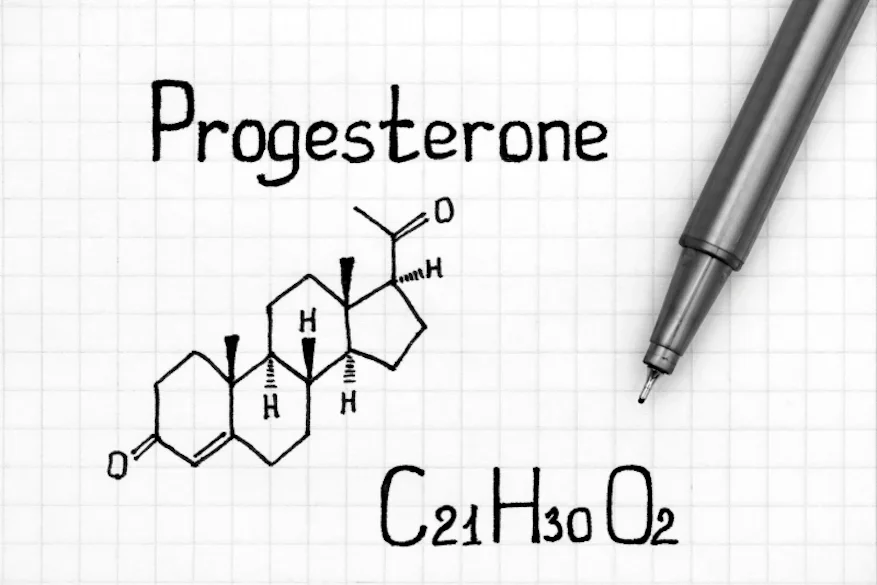
Progesterone is widely understood as a female reproductive hormone, but that framing misses most of what it does. In both sexes, progesterone sits in the middle of the steroid hormone cascade, sitting downstream of pregnenolone and upstream of testosterone. It is a direct precursor to testosterone synthesis and plays a central role in how efficiently the body produces androgens.
In men, progesterone directly influences testosterone biosynthesis within the Leydig cells of the testes. It also counteracts the effects of estrogen at the receptor level, supports prostate health, and acts as a neurosteroid through its metabolite allopregnanolone, which binds to GABA-A receptors in the brain, producing calming and sleep-supporting effects.
For women on TRT, progesterone is equally significant. It modulates the effects of both estrogen and testosterone, supports sleep quality, reduces anxiety, and protects bone density. Anyone asking how to increase progesterone in a TRT context needs to understand that they are protecting far more than one hormonal output.
How TRT Suppresses Progesterone: The HPTA Chain
The suppression mechanism is direct and predictable. When exogenous testosterone enters the body, the hypothalamus detects the elevated androgen levels and reduces its output of gonadotropin-releasing hormone (GnRH). The pituitary gland responds by cutting production of luteinizing hormone (LH) and follicle-stimulating hormone (FSH). LH is the signal that drives the testes and adrenal glands to produce pregnenolone — the master precursor hormone from which progesterone, DHEA, cortisol, and eventually testosterone are all made.
Less LH means less pregnenolone. Less pregnenolone means less progesterone. This is not a side effect that happens to some people on TRT — it is a biochemical consequence that happens to virtually everyone on a suppressive testosterone protocol. The degree varies by dose, delivery method, and individual HPTA sensitivity, but the direction is consistent.
This is precisely why knowing how to increase progesterone before starting TRT is so valuable. Establishing a strong baseline and implementing supportive strategies early gives the body the best foundation to maintain hormonal balance after suppression begins.
The Pregnenolone Steal: When Stress Compounds the Problem
TRT-induced HPTA suppression is only one factor reducing progesterone. Chronic stress adds a second layer through the pregnenolone steal.
Under sustained stress, the adrenal glands require large amounts of cortisol. Cortisol is manufactured from the same pregnenolone pool that feeds progesterone, DHEA, and the sex hormone pathway. When cortisol demand is high, the body prioritizes it, diverting pregnenolone away from progesterone production. On TRT, where pregnenolone production is already suppressed by reduced LH, this diversion has an amplified effect. Less raw material entering the pipeline, and more of what remains being pulled toward cortisol rather than progesterone.
For someone managing a TRT protocol while also dealing with high work stress, poor sleep, or metabolic pressure, the combined suppression can produce a progesterone deficit significant enough to affect mood, sleep quality, and the effectiveness of the protocol itself. Understanding how to increase progesterone in this context means addressing the cortisol competition directly, not just the testosterone equation.
Signs Your Progesterone Is Dropping
Progesterone deficiency on TRT does not always look the way people expect. Because most symptoms overlap with other hormonal imbalances, it is frequently misattributed to high estradiol, low testosterone, or poor protocol adherence.
In men, low progesterone can present as increased anxiety or irritability, disrupted sleep and difficulty staying asleep, low libido despite adequate testosterone levels, and early signs of estrogen dominance such as water retention or breast tissue sensitivity. In women on testosterone therapy, declining progesterone often shows up as worsening PMS-like symptoms, sleep disturbance, mood instability, and reduced benefit from the testosterone itself.
Recognizing this pattern early — and knowing how to increase progesterone through targeted interventions — can prevent months of protocol adjustment that misidentifies the root cause.
What to Test Before You Start TRT
Standard pre-TRT bloodwork typically covers total and free testosterone, estradiol, LH, FSH, SHBG, PSA (for men), and a metabolic panel. Progesterone is almost never included. Neither is pregnenolone, its upstream precursor.
Adding both to your baseline panel gives you critical reference points. Progesterone tells you where you are before suppression begins. Pregnenolone tells you how much raw material your system has available for the entire steroid hormone cascade. DHEA-S, cortisol (ideally a four-point saliva test), and thyroid markers round out the picture of how your adrenal and hormonal systems are functioning before you introduce exogenous testosterone.
Knowing your starting point is the foundation for effectively increasing progesterone. Without a baseline, any changes after starting TRT are difficult to interpret and harder to address.
Natural Ways to Support Progesterone Before and During TRT
Several evidence-based strategies support progesterone production through the upstream pathways that TRT will partially suppress. Implementing them before starting a protocol — and maintaining them throughout — meaningfully reduces the deficit.
Manage Cortisol to Protect the Pregnenolone Pool
Reducing the cortisol demand on your pregnenolone supply is the highest-leverage step for anyone asking how to increase progesterone in a TRT context. Consistent sleep of 7 to 9 hours, structured stress management practices, and avoiding overtraining all reduce adrenal cortisol output, leaving more pregnenolone available for the sex hormone pathway. This is not general wellness advice — it is directly protective of the hormonal raw material TRT will already be competing for.
Nutritional Support for the Steroid Hormone Pathway
Cholesterol is the foundational substrate for all steroid hormones, including progesterone. Extremely low-fat diets or statin use that suppresses cholesterol too aggressively can limit hormone synthesis capacity. Adequate dietary fat from quality sources supports the entire cascade.
Specific micronutrients also matter. Zinc supports LH signaling and Leydig cell function. Magnesium regulates pituitary hormone output. Vitamin B6 supports the enzymatic steps in progesterone synthesis. Vitamin C has been associated with meaningful improvements in progesterone output in clinical studies. These nutrients do not replace LH signaling suppressed by TRT, but they ensure the pathway is not additionally limited by nutritional deficiencies.
Prioritize Sleep Quality
Progesterone has a direct sedative effect through GABA-A receptor activity. As it declines, sleep quality deteriorates, which raises cortisol, which further suppresses progesterone. Breaking this cycle requires treating sleep as a hormonal intervention, not just a lifestyle choice. Avoiding nicotine and alcohol close to bedtime, maintaining a consistent sleep schedule, and managing blue light exposure in the evening all support the deep sleep stages where growth hormone and hormonal recovery are most active.
Medical Options Worth Discussing With Your Prescriber
For people whose progesterone drops significantly on TRT, natural strategies alone may be insufficient. Pregnenolone supplementation is one option that directly addresses upstream suppression, providing the body with more raw material to work with across the entire steroid pathway. Bioidentical progesterone — available as oral capsules or topical cream — is another option used in both male and female TRT protocols, though dosing and necessity vary considerably by individual.
The key is including progesterone in your monitoring panel so that decisions are driven by data rather than symptoms alone. Any prescriber managing a TRT protocol should be willing to discuss increasing progesterone if levels are shown to be declining and to adjust the monitoring frequency accordingly.
Key Takeaways
TRT suppresses progesterone through a predictable chain: exogenous testosterone reduces LH, LH reduction cuts pregnenolone production, and less pregnenolone means less progesterone for both men and women. Chronic stress compounds this through the pregnenolone steal. The result is a progesterone deficit that affects mood, sleep, estrogen balance, and overall protocol effectiveness — yet is almost never tested or discussed.
Knowing how to increase progesterone before starting TRT means getting a baseline panel that includes it, reducing cortisol demand through sleep and stress management, supporting the steroid hormone pathway nutritionally, and having an informed conversation with your prescriber before suppression begins. The people who manage TRT most successfully are the ones who treat it as a whole-system hormonal intervention, not a single-hormone fix.