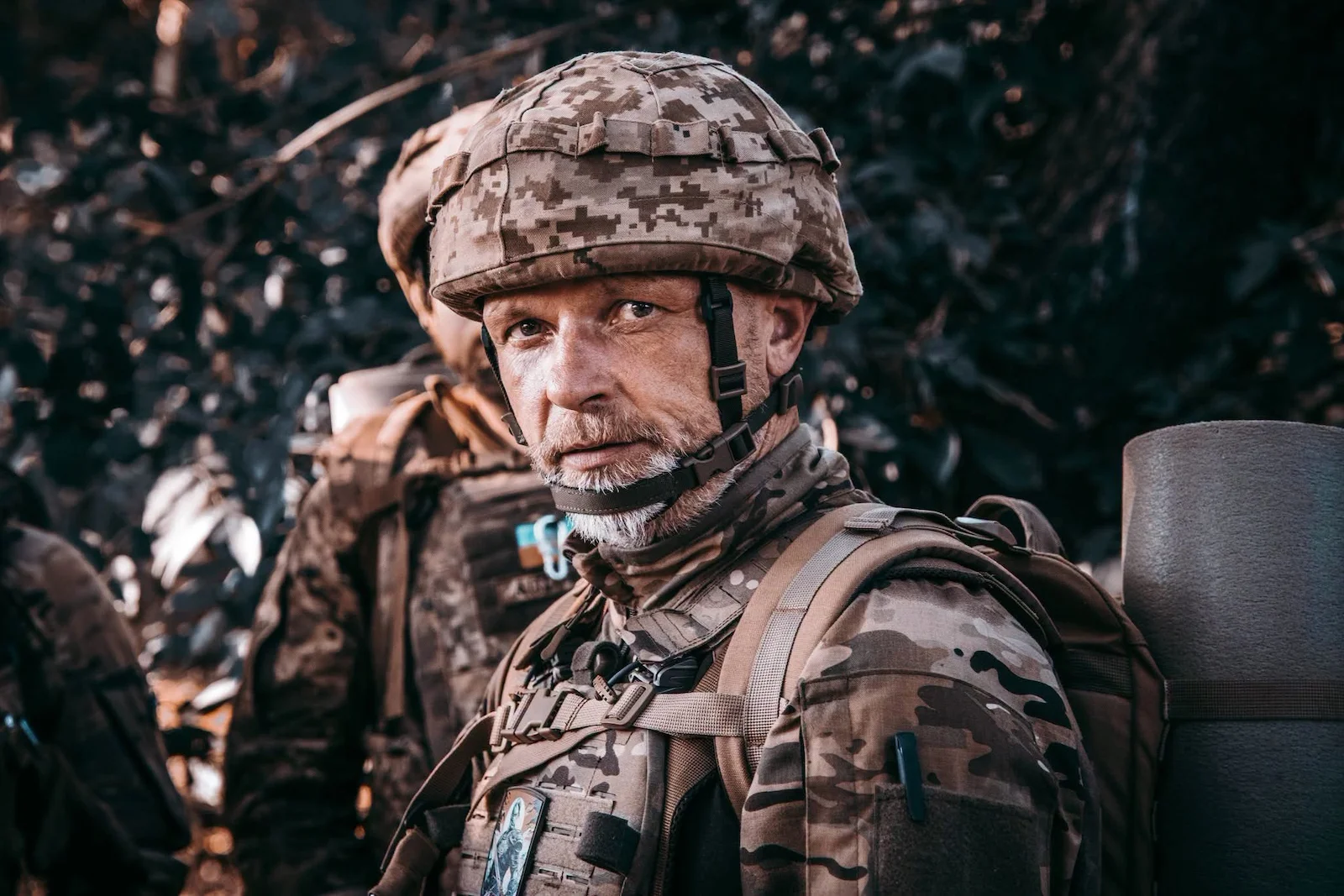

Taras Gren on Ukraine’s War, Russia’s Threat, and the Art of Survival
In this interview, Scott Douglas Jacobsen speaks with Taras Gren about Ukraine’s struggle to maintain national unity, the evolving nature of warfare, and the resilience of ordinary Ukrainians. Gren discusses Russia’s efforts to undermine support for Ukraine’s military, the dangers posed by Moscow, and the rapid evolution of battlefield tactics. He also reflects on a defining feature of Ukrainian life during wartime: the determination to carry on.
Taras Gren is a Ukrainian lawyer, veteran, and head of staff of the Lviv Regional Military Administration. He previously led the Western Interregional Department of the Ministry of Justice and served as commandant of Lviv Oblast. Gren served in Ukraine’s Armed Forces from February 2022 until September 2023, when he was demobilized.
Scott Douglas Jacobsen: Is maintaining national unity now Ukraine’s greatest challenge, particularly as the war continues to place enormous pressure on society?
Taras Gren: The biggest problem now is the home front. Russia is making a major effort to set processes in motion that would weaken the army, not at the front, but here, in our cities behind the front.
Jacobsen: Russia has suffered significant economic and demographic pressures during the war, following years of demographic decline. Do you see any possibility of the country experiencing a collapse comparable to that of the Soviet Union?
Gren: Do I see Russia falling apart? No.
If it happens, it will be better for everyone. The only question is how it happens, because the process could involve things getting out of control.
I think a strong Russia is much more dangerous than a collapsed Russia.
Jacobsen: Whether Russia emerges from this war weakened or defeated, do you believe it will remain a threat beyond Ukraine?
Gren: I say that a strong Russia or a defeated Russia is a danger to the whole world, not only to us. For us, it is the foremost danger because they want to destroy us.
Jacobsen: Ukraine’s military has had to adapt rapidly as battlefield technologies and tactics evolve. How long does a new technique typically remain effective before the Russians develop a countermeasure, or Ukraine develops a response to theirs?
Gren: Two months, depending on whether we are talking about technology, a specific tactical move, or how something is used.
But you understand that our efforts and Russia’s efforts are two very different things. We rely more on technology. They rely more on mass. I do not know which is more important.
Jacobsen: International coverage of Ukraine often focuses on military developments and political figures, from Trump and Putin to Zelenskyy. Far less attention is paid to ordinary life: people meeting friends, visiting cafés, falling in love, and continuing their daily routines even as air-raid sirens sound.
From the outside, this is often described as Ukrainian resilience, the ability to become accustomed to extraordinary circumstances. But does that description adequately capture what Ukrainians are experiencing?
Gren: It is not a narrative or a story. It is our life. We are very adaptive. We can adapt to everything. That is probably our superpower.
Jacobsen: After everything Ukrainians have endured, is there a particular saying or piece of wisdom that captures how you approach life?
Gren: Life continues, and we live.
Jacobsen: Taras, thank you for your time and for sharing your perspective.