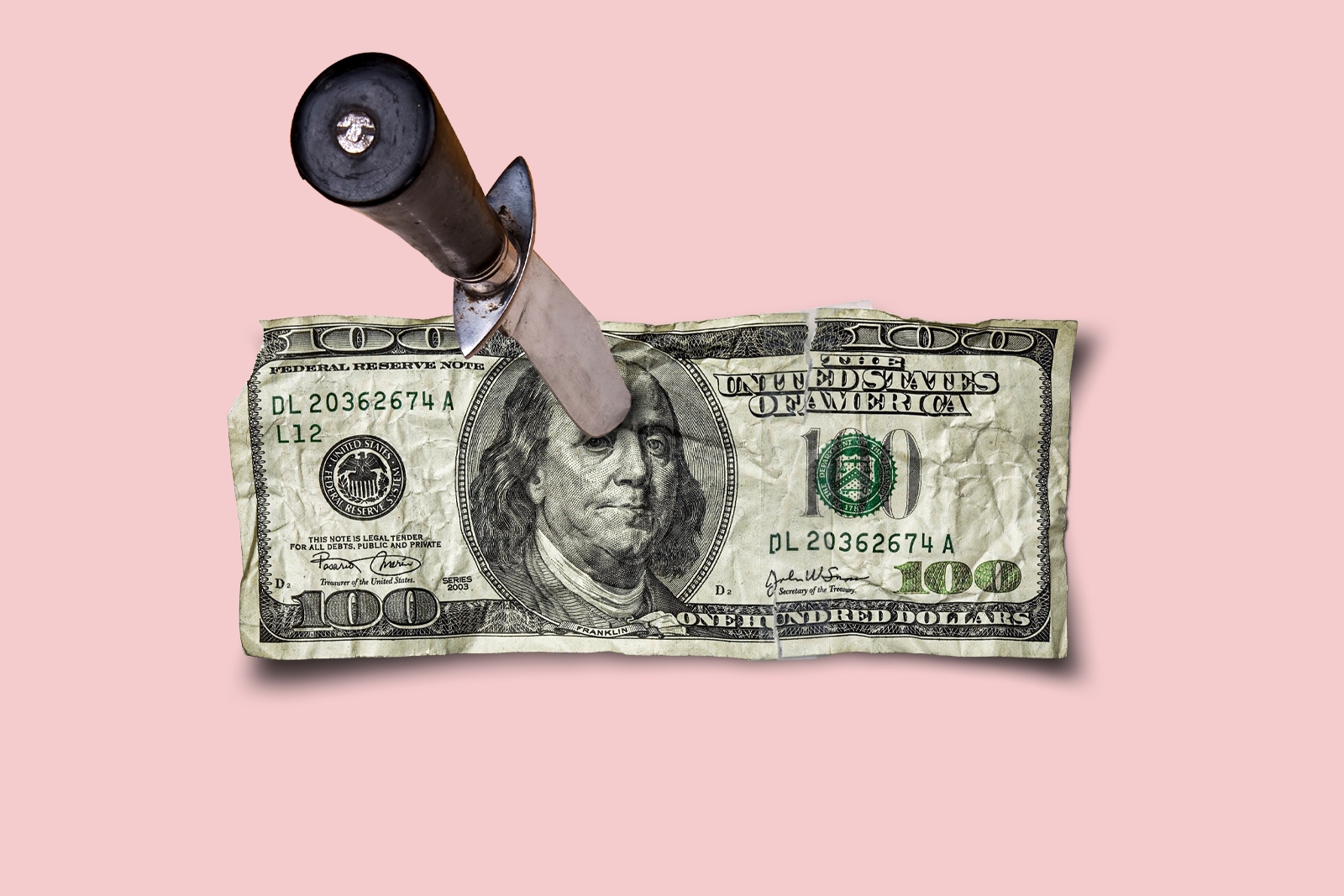


The High Price of Escaping the Dollar
The dollar’s international power does not rest on oil alone. It rests on something broader and more difficult to dislodge: deep capital markets, payment networks, ready access to liquidity, legal reach, sanctions power, and the pricing of strategic commodities. Oil remains central to that architecture, but the so-called petrodollar is less a single agreement than a system—one that converts monetary dominance into geopolitical leverage.
Wars and geopolitical confrontations rarely have a single cause. Yet debates over conflict often neglect the financial machinery beneath them. States that depend on dollars to purchase energy, service debt, or conduct trade remain exposed to institutions that fall within Washington’s reach. Their banks can be cut off, transactions blocked, reserves frozen, and trading partners threatened with secondary sanctions. For governments seeking greater monetary autonomy, leaving the dollar system is therefore not simply an economic choice. It is a political gamble with potentially punishing costs.
The Petrodollar as an Architecture of Power
The petrodollar is commonly described as a neat circuit: oil is priced in dollars, exporters accumulate dollar revenues, and a portion of those earnings flows back into U.S. assets. That process creates demand for the currency, supports American financial markets, and reinforces Washington’s influence. But the dollar’s staying power depends just as much on the scale and liquidity of U.S. markets, the reach of American banks, and the absence of a fully credible alternative.
This distinction matters. The dollar does not dominate because oil producers are bound by a single, unbreakable pact. It dominates because the system surrounding it is exceptionally difficult to replace. Confidence sustains that system, but so do legal and coercive instruments that make defection expensive.
Alternative currencies and payment networks challenge an order that turns monetary centrality into strategic power; so far, none offers the same combination of liquidity, market depth, infrastructure, and widely accepted safe assets.
Iraq and the Perils of a Convenient Narrative
In 2000, Saddam Hussein’s government asked that Iraqi oil sold through the United Nations Oil-for-Food Programme be denominated in euros. Euro-denominated letters of credit took effect that November, demonstrating that an oil producer—even one operating under severe international restrictions—could conduct sales outside the dollar system.
Three years later, the United States and its allies invaded Iraq. The public case centered on weapons of mass destruction, but the anticipated stockpiles were never found. It is tempting to draw a straight line from Baghdad’s currency decision to the invasion. The evidence does not justify such certainty. Iraq’s switch to the euro was economically and symbolically significant, but it was only one element in a far larger confrontation involving regional power, sanctions, oil, regime change, and American strategy.
After the invasion, Iraqi oil sales returned to dollars. That sequence deserves scrutiny, but chronology is not proof of motive. The more defensible conclusion is also the more revealing one: control over energy revenues and access to the global financial system formed part of the environment in which Washington exercised overwhelming power.
Libya’s Monetary Ambitions—and the Evidence Gap
Muammar Qaddafi promoted African economic and monetary independence, including stronger continental financial institutions and proposals for a shared African currency. Accounts of a gold-backed dinar that supposedly threatened the dollar have since acquired near-mythic status. Qaddafi did champion monetary autonomy, but the claim that NATO intervened primarily to prevent his currency project remains unproven.
The 2011 intervention, presented as an effort to protect civilians, expanded into regime change. A subsequent British parliamentary inquiry concluded that the campaign relied on flawed intelligence, drifted beyond its original mandate, and lacked a credible postwar strategy. It also recorded French calculations involving regional influence and Libyan oil. Those findings establish that strategic and commercial interests shadowed the humanitarian rationale; they do not establish that a proposed African currency caused the war.
The outcome was nevertheless devastating. Libya lost central authority, armed groups multiplied, and foreign powers intensified their competition over the country’s politics and resources. Qaddafi’s monetary ambitions belonged to a wider struggle over African finance, trade, and sovereignty—but they should not be made to carry more explanatory weight than the record allows.
Sanctions Turn De-Dollarization into Self-Defense
Iran and Russia provide clearer evidence of how the dollar system disciplines adversaries. In both cases, dependence on Western banks, payments, and reserve assets became an acute vulnerability once sanctions tightened. De-dollarization was not simply an ideological project. It became a form of financial self-defense.
Iran’s oil trade has been redirected toward a narrow group of buyers and payment channels outside conventional Western banking. According to the U.S. Energy Information Administration, China took nearly 90 percent of Iran’s crude oil and condensate exports in 2023. That concentration reflects restrictions on finance, shipping, insurance, and dollar clearing. Foreign companies are effectively forced to choose between access to the U.S. financial system and commerce with sanctioned states.
Russia’s transition accelerated after its full-scale invasion of Ukraine, the imposition of sweeping sanctions, and the freezing of Russian reserves. The Bank of Russia reported that ruble receipts accounted for 59 percent of export settlements in the fourth quarter of 2025, up from 45 percent a year earlier. Such figures show that targeted states can reorganize trade—but also why they feel compelled to do so. Exclusion from the dollar system remains costly enough to reshape entire commercial relationships.
Venezuela: When Financial Pressure Meets Force
Venezuela holds the world’s largest proven oil reserves, but its production has been battered by underinvestment, institutional decay, domestic policy failures, and sanctions. External restrictions further narrowed its access to financing, technology, banking, and export markets.
The disputed presidential election of July 2024 deepened the crisis. The Carter Center found that the election failed to meet international standards and that the announced result could not be independently verified because authorities did not publish polling-station-level results. Then, on January 3, U.S. forces entered Venezuela, captured Nicolás Maduro and his wife, and transferred them to the United States to face criminal charges.
Washington framed the operation as law enforcement. Critics—and numerous legal scholars—called it a violation of Venezuelan sovereignty and international law. Whatever label is applied, the essential fact is stark: the United States used military force inside an oil-rich sovereign country, seized its leader, and placed him before an American court. Oil does not by itself explain the operation, but it has long shaped Venezuela’s strategic importance and the interests surrounding its political future. The episode shows how financial pressure, diplomatic isolation, and military power can converge.
The Dollar’s Power—and Its Vulnerability
Iraq, Libya, Iran, Russia, and Venezuela differ too greatly to fit a single template. Their governments, conflicts, and relationships with Washington are not interchangeable. Still, a recurring structure is visible: energy raises the strategic stakes, access to international finance becomes a source of leverage, and efforts to reduce dollar dependence emerge amid confrontation with U.S. power.
The dollar-centered system remains one of the principal mechanisms of American primacy. It allows Washington to impose banking restrictions, freeze reserves, punish third parties, limit access to technology, and isolate governments without immediately resorting to war. In extreme cases, financial coercion can sit alongside military force, even if one does not mechanically cause the other.
De-dollarization is real, but it is fragmented and defensive. Countries can invoice trade in other currencies, create alternative payment channels, and hold fewer dollar assets. What they cannot yet do is reproduce the entire ecosystem that makes the dollar useful. The petrodollar is therefore not a secret treaty or a monetary switch that can simply be turned off. It is a durable architecture linking energy markets, financial institutions, legal jurisdiction, and strategic influence. Any country seeking to escape it is confronting not merely a currency, but one of the foundations of American power.