The Platform
Bejon Kumar Misra on Bridging India’s Consumer Awareness Gap
07.22.2025
Bejon Kumar Misra discusses the urgent need to improve consumer awareness in India.
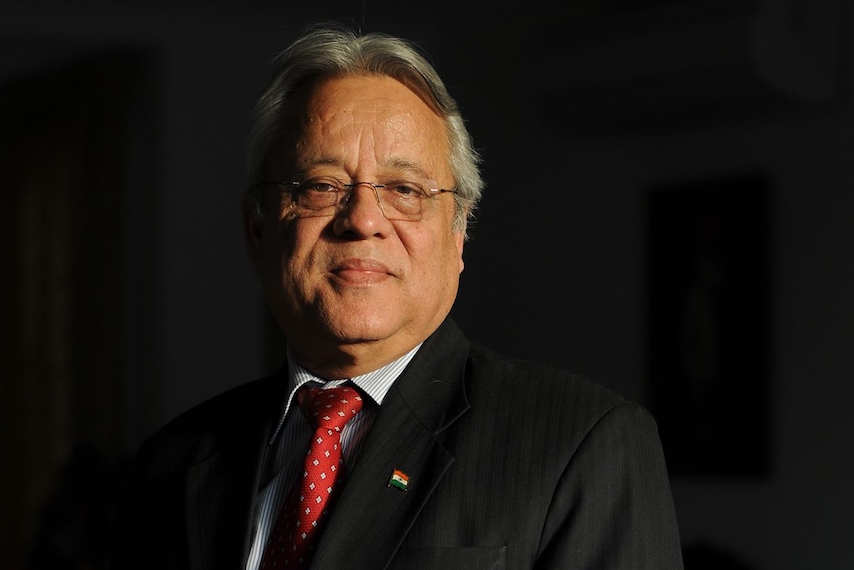
Bejon Kumar Misra is a globally recognized consumer policy expert who has significantly contributed to shaping national and international consumer protection frameworks as an influential advocate for consumer rights. His expertise lies in areas such as product safety, fair trade practices, and dispute resolution, making him a sought-after voice on consumer-related issues worldwide. Misra’s work has been instrumental in empowering consumers and promoting ethical business practices across various sectors.
Neeraj Mahajan: Why is consumer awareness in India so low?
Bejon Kumar Misra: Consumer awareness in India suffers due to a lack of political will and the undue influence of industry interests in various policy-making bodies. Although the enactment of the Consumer Protection Law in 1986 defined the legal rights of consumers, it was unfortunately not effectively communicated in everyday language or through channels that reach the masses. While urban consumers might see TV ads or access online portals, the rural, illiterate, and digitally denied population is left behind. Moreover, business entities do little to educate consumers—their focus is only on profit, not rights. The result is a gap between policy and practice.
Mahajan: What are some of the most common ways Indian consumers are exploited?
Misra: We observe widespread exploitation in areas such as misleading advertisements, the sale of substandard goods and services, hidden charges in banking, insurance, and telecom, fake online offers, and cumbersome redressal mechanisms. Many consumers don’t demand bills or warranties because they don’t know the value of evidence when things go wrong. In rural areas, people are misled into buying fake products and services and have no recourse to fair trade practices.
Mahajan: Could you shed light on the fundamental rights that every Indian consumer should be aware of?
Misra: Absolutely. Every Indian consumer has six core rights under the provisions of the Consumer Protection Act of 2019: the right to safety, the right to be informed, the right to choose, the right to be heard, the right to seek redressal, and the right to consumer awareness.
These rights apply to both goods and services—whether you’re buying groceries, booking a flight, or applying for a loan.
Mahajan: Let’s say a consumer feels cheated—what should they do first?
Misra: The first step is to raise the issue directly with the seller or service provider, ideally in writing through email, SMS, or letter. If there’s no resolution within a reasonable time – say, in 10-15 days – they can escalate the complaint through formal channels, such as the National Consumer Helpline (1800-11-4000), the e-Daakhil portal for filing complaints online, or directly at the District Consumer Dispute Redressal Commission.
Mahajan: What is the role of the e-Daakhil portal?
Misra: E-Daakhil is a government platform that enables consumers to file complaints online without having to appear in court physically. You can register, upload your complaint, pay the court fee digitally, and track the status of your case. It’s a step forward—but needs better regional language support and awareness campaigns to reach the grassroots. Unfortunately, everyday consumers are unable to access these portals due to poor performance and frequent changes. It now appears that this portal has been migrated to e-Jagriti.
Mahajan: What kind of evidence should a consumer keep while filing a grievance?
Misra: Consumers should always try to keep a copy of the bill or invoice, warranty cards, email or SMS communications, and screenshots of online transactions. Even voice recordings or photos can help. If you file a complaint, this documentation is key to proving your claim.
Mahajan: What if someone is illiterate or not tech-savvy? Can they still file a complaint?
Misra: Yes, they can. They should first try to connect over the phone with the National Consumer Helpline. Then they can visit their nearest District Consumer Dispute Redressal Commission, which is functioning in the District Headquarters, and file a handwritten complaint. NGOs, legal aid cells, and sometimes Lok Adalats help guide such individuals. In the future, we must empower Anganwadi workers, panchayats, and SHGs to assist people in filing complaints both offline and online.
Mahajan: What are the typical timelines and costs involved in filing a consumer case?
Misra: Filing fees are very low, ranging from $1 to $9, depending on the case amount. Ideally, cases should be resolved within 90 to 150 days, but delays are common due to backlogs and infrastructure issues. That’s why early resolution through the National Consumer Helpline or pre-litigation mediation is always encouraged.
Mahajan: Are there any specific industries where consumer complaints are rising the most?
Misra: Yes, most complaints today are in e-commerce, telecom, banking and finance, insurance, and real estate. Digital frauds, undelivered goods, poor service, mis-selling, and misleading ads are common triggers. The lack of immediate human support in digital services also frustrates consumers.
Mahajan: Finally, what can we do to improve consumer awareness in India?
Misra: We need a multi-stakeholder approach. We must educate college youths to facilitate consumers, especially the poor and senior citizens, on how to access prompt redressal. All business entities are required to display the National Consumer Helpline, and large brands must have dedicated officers to handle consumer complaints. A weekly report on the resolutions provided to consumers must be made public on the website, allowing us to track how many complaints went unattended or resulted in litigation.
State governments must prioritize consumer awareness and ensure the prompt resolution of consumer grievances by making the Consumer Dispute Redressal Commissions effective and efficient. Awareness campaigns must be conducted in local languages and on television and in print media. The media also plays an essential role in building awareness and should dedicate space and time to consumer education. In brief, there should be active engagement with citizens to seek their feedback on product quality and safety-related issues on social media and public platforms. Consumer Affairs (@jagograhakjago) should become the buzzword in the country.
Neeraj Mahajan is a veteran media professional with over 30 years of experience across print, broadcast, and digital journalism. A distinguished investigative journalist known for his relentless pursuit of truth, he brings deep expertise in uncovering complex stories and holding power to account. He currently serves as Editor of Taazakhabar News.