
Trade, Turbulence, and the Year of the Horse
China’s ambassador to Belgium has acknowledged what few major economies can now deny: China is facing headwinds. Yet even as he conceded that the country’s economy has encountered “challenges,” Ambassador Fei Shengchao insisted that it remains resilient—still the world’s second-largest economy and, in his telling, one of the principal engines driving global growth.
Speaking in Brussels on Thursday, February 26, Fei projected confidence not only in China’s economic durability but also in the sturdiness of its ties with Belgium. The bilateral relationship, he said, could “withstand any future chaos,” a phrase that seemed to gesture broadly at a world increasingly defined by volatility—geopolitical, economic, and otherwise.
Fei was addressing a celebration of the Chinese New Year organized by the Belgium-Chinese Chamber of Commerce, an event that drew a cross-section of political leaders, business executives, and members of Belgium’s Chinese community. The mood was festive, but the undertone was unmistakably strategic. As global supply chains recalibrate and trade tensions simmer elsewhere, Brussels remains a critical node in Europe’s economic architecture—and Beijing knows it.
This year marks the 55th anniversary of diplomatic relations between China and Belgium. Over those five and a half decades, Fei noted, the partnership has endured periods of “instability” and “chaos.” The message was clear: if the relationship has survived the Cold War’s aftershocks, financial crises, and more recent geopolitical frictions, it can weather whatever comes next.
Looking ahead, the ambassador predicted an uptick in “high-level” exchanges between the two countries in the coming year. In diplomatic language, that phrase carries weight. It signals not only ceremonial visits but also the kind of political engagement that can unlock trade agreements, investment frameworks, and regulatory cooperation.
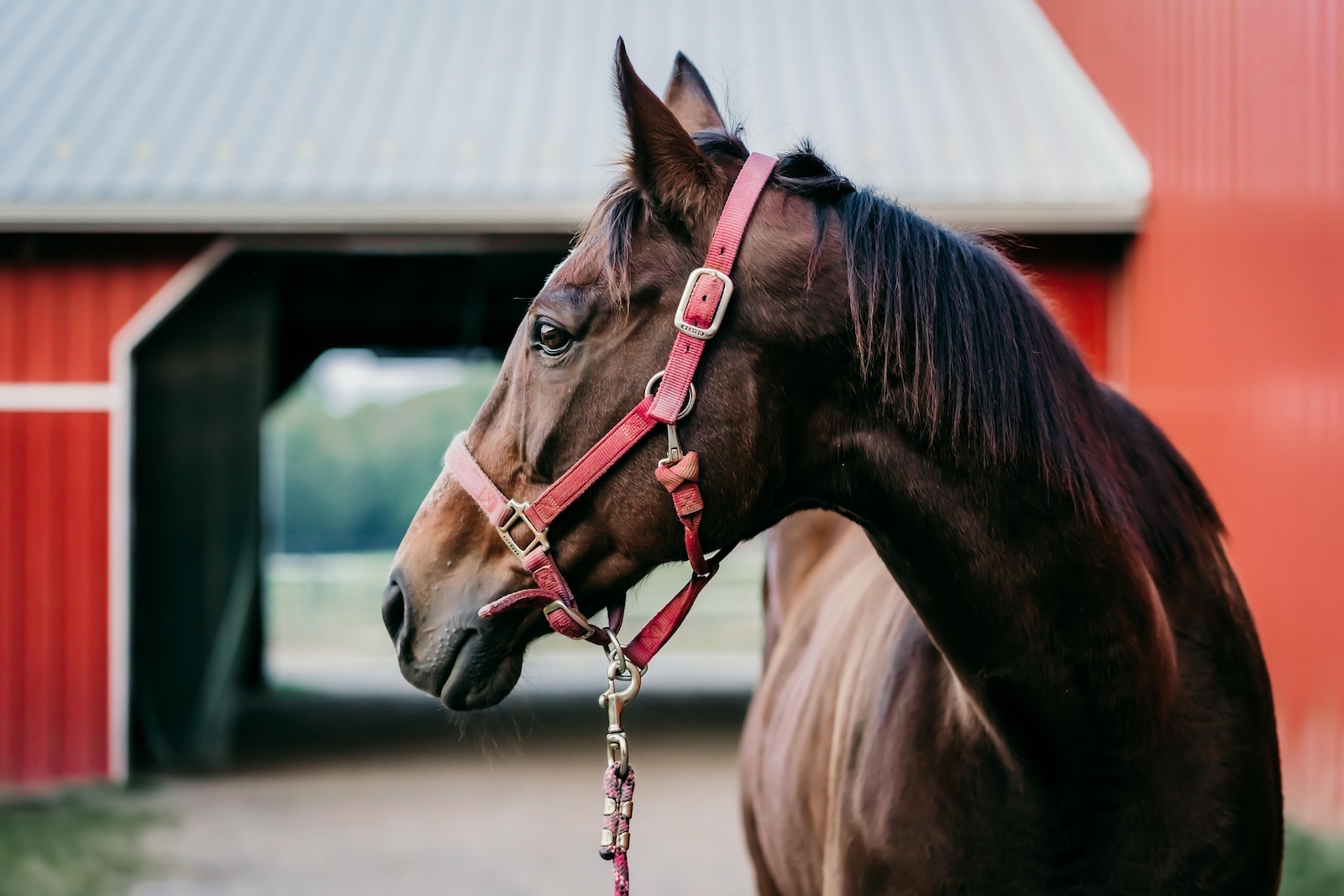
The symbolism of the evening was impossible to ignore. It is the Chinese Year of the Horse, and Fei leaned into the metaphor. Like the horse, he said, the Belgium-China relationship is “strong” and defined by “stamina.” The comparison was more than ornamental. In Chinese culture, the horse is associated with perseverance, reliability, and forward momentum—traits Beijing is keen to project at a moment when questions about its economic trajectory have grown louder.
Jan Jambon, Belgium’s deputy prime minister, echoed the emphasis on continuity and growth. Since 2019, he said, he has “got to know China up close,” a remark that reflects both personal diplomacy and Belgium’s broader engagement strategy. Over that period, relations between the two countries have expanded, and trade has surged. In 2024, bilateral trade totalled what Jambon described as a “dazzling” €40 billion.
The economic entanglement runs in both directions. Major Chinese firms—including Hainan Airlines and the Bank of China—have established investments in Belgium. At the same time, some 300 Belgian investors and companies have committed capital to the Chinese market. The figures underscore a reality often lost in the rhetoric of decoupling: for many businesses, commercial logic continues to outweigh political anxiety.
Jambon praised the Belgium-Chinese Chamber of Commerce for “bringing like-minded people together,” framing the organization as a stabilizing force in uncertain times. In periods of economic turbulence, he said, “the existence of fair, strong and stable trade relations” is not merely desirable but essential. His comments suggested a pragmatic approach—one that recognizes global tensions but refuses to let them eclipse national economic interests.
Addressing an audience packed with leading figures from Belgium’s business community, Jambon described the partnership with China as “rooted in mutual respect.” That phrase, too, carried diplomatic resonance. In an era when European capitals are reassessing their exposure to Chinese supply chains and technology, invoking mutual respect signals an attempt to balance caution with continuity.
Like Fei, Jambon embraced the evening’s equine motif. The horse, he observed, symbolizes hard work and authenticity—qualities that hold “exactly the same meaning” in Chinese culture. The metaphor offered a shared cultural touchstone, a reminder that economic diplomacy often relies as much on narrative as on numbers.
Bernard Dewit, chair of the Belgium-Chinese Chamber of Commerce, pushed the imagery further. The world, he said, could use a “bit of horsepower.” Over the past five decades, China has become one of Belgium’s most important trading partners, particularly outside the European Union. The trajectory, he argued, has been a “remarkable journey.”
That journey has not been linear. There have been “ups and downs,” Dewit acknowledged. Yet the underlying relationship remains “very strong.” His assessment reflected a broader sentiment among business leaders who see volatility as cyclical rather than existential.
China is now one of Belgium’s most significant economic partners beyond the EU—a status Dewit expects to endure. As he marked his 30th year as president of the Chamber, his remarks carried the weight of institutional memory. Trade relationships, he suggested, are built not on fleeting optimism but on decades of accumulated trust and interdependence.
In Brussels, at least for one evening, the narrative was one of resilience. China may be confronting economic challenges at home, and Europe may be navigating its own strategic recalibrations. But in the ornate halls where diplomats and executives gathered to welcome the Year of the Horse, the message was unmistakable: this is a partnership that intends to keep running.