
The UN Wants Stability? Start by Inviting Taiwan.
The world is riding out a season of uncertainty—prolonged wars, democratic backsliding, economic coercion, and disinformation that corrodes public trust. Authoritarian governments are increasingly adept at gray-zone tactics designed to chip away at the rules-based order without triggering open war. In such a brittle environment, peace is not self-executing. Democracies have to act together to build resilience and defend the values that make free societies possible. The stakes are systemic. And the window for error is small.
Taiwan sits at the fulcrum of this contest. On the front line of the Indo-Pacific’s first island chain, it guards a democratic way of life against authoritarian expansion. It is also central to global prosperity: a robust, innovation-driven economy anchored by the world’s most sophisticated semiconductor ecosystem. As the world’s 21st-largest economy, Taiwan is a pace-setter in artificial intelligence and chips—producing more than 60 percent of all semiconductors and roughly 90 percent of the most advanced ones. That capacity powers global growth and makes Taiwan an indispensable partner across sectors.
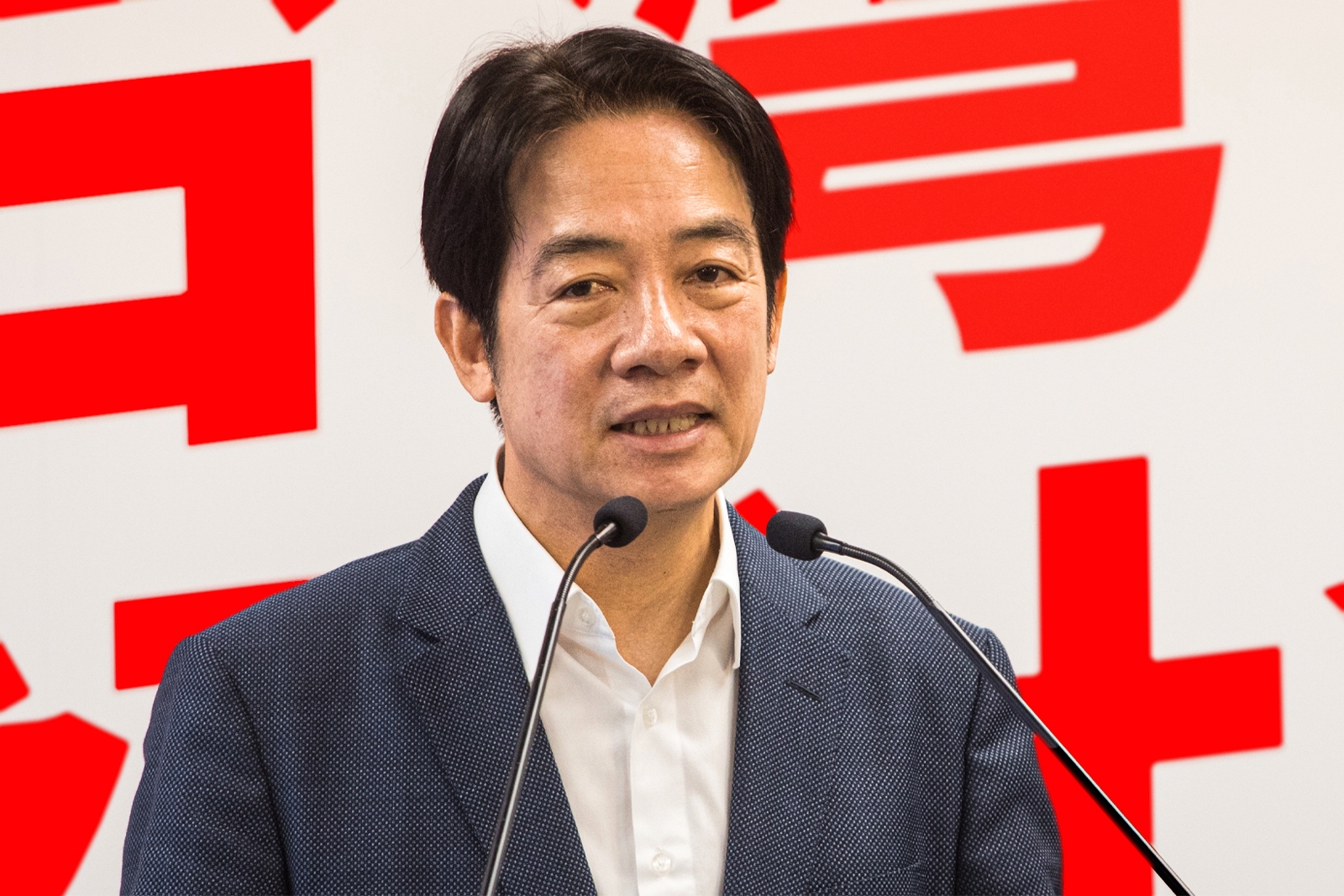
Taiwan’s compass is fixed on defending democratic values at home and supporting them abroad. President Lai Ching-te’s Four Pillars of Peace plan pledges higher defense spending and whole-of-society resilience. Taipei does not seek confrontation with Beijing and will not provoke one; instead, it has called on China to resume dialogue on the basis of parity and dignity.
To align its tools with its aims, Taiwan’s Ministry of Foreign Affairs has adopted “Integrated Diplomacy,” a smart-power approach that links diplomatic, defense, technological, and economic strengths. The goal is straightforward: navigate complex geopolitics while deepening Taiwan’s global presence and contributing to a more stable, prosperous world.
This approach extends through what Taipei calls a global democratic values chain—partnerships with like-minded governments to resist authoritarian influence, protect human rights, advance sound digital governance, and uphold the international rule set. Taiwan’s performance under sustained pressure offers an empirical case that democracy can adapt, endure, and even thrive.
Economically, Taiwan is an engine of innovation. Its strengths in chips and advanced technologies spill over into AI, digitalization, and health care. To reinforce the reliability of critical industries, Taipei has launched an economic-diplomacy strategy centered on “non-red” supply chains—trusted, transparent networks designed to reduce vulnerabilities to authoritarian interference while keeping markets open.
Taiwan also invests in shared prosperity with its diplomatic partners. Through the Diplomatic Allies Prosperity Project—public-private collaborations that consolidate government resources and leverage industrial know-how—Taiwan backs mutually beneficial development. Recent initiatives include: working with Paraguay to build an integrated hospital information system that improves nationwide medical data management; partnering with Eswatini on an oil-reserve facility to bolster energy security and spur local industry; and assisting Palau in becoming a smart, sustainable island nation—evidence of Taiwan’s commitment to international cooperation that endures.
Yet despite these contributions, Taiwan remains largely excluded from the United Nations system. Its marginalization stems from a persistent misreading of UN General Assembly Resolution 2758, which some have conflated with Beijing’s “one-China principle.” That interpretation has been used to block Taiwan’s meaningful participation.
What Resolution 2758 actually did was resolve the question of China’s representation at the UN. It did not mention Taiwan, declare Taiwan part of the People’s Republic of China, or authorize the PRC to represent Taiwan in the UN system. Nonetheless, political pressure has turned the resolution into a pretext for keeping Taiwan on the sidelines—contrary to both the text and the spirit of inclusive multilateralism.
That stance is increasingly out of step with the wider international conversation. Support for Taiwan has grown, and governments across regions now stress—at the G7 and in other forums—the importance of peace and stability across the Taiwan Strait. Executive and legislative branches in multiple countries have clarified that Resolution 2758 neither settles Taiwan’s status nor forecloses its participation in international organizations, including those within the UN family.
The UN marks its 80th anniversary with just five years left to realize the Sustainable Development Goals. If the institution intends to “leave no one behind” and to become “better together,” it should find avenues for Taiwan’s contribution truly commensurate with its real-world importance.
Taiwan’s ask is uncomplicated: chip in. Recognize Taiwan’s rightful role in global problem-solving and make space for the contributions it is already prepared to offer. Working together, we can build a safer, more prosperous Indo-Pacific—and a more resilient world.