
The World Cup’s Greatest Victory is its Universality
The 2026 FIFA World Cup will be remembered for many things, but perhaps above all for confirming a simple truth: football no longer belongs to a select group of nations. It belongs to the world.
For years, critics questioned FIFA’s decision to expand the World Cup to 48 teams. They warned of weaker competition, lopsided scorelines, and a diluted spectacle. Instead, the tournament delivered precisely what football needed: fresh stories, new heroes, and compelling evidence that talent is no longer confined to the sport’s traditional powerhouses.
No story embodied this better than Cape Verde.
The small African archipelago became one of the tournament’s great surprises and, for many neutrals, one of its most beloved teams. Guided by Vozinha, its 41-year-old goalkeeper, and propelled by an extraordinary collective spirit, Cape Verde captured the imagination of football fans everywhere.
From its opening match against Spain to its final battle against Argentina in the round of 32, Cape Verde demonstrated courage, discipline, humility, and an unwavering belief that it belonged on football’s biggest stage. The team did not lift the trophy, but it won something nearly as valuable: admiration. Even in defeat, scoring twice in a 3–2 loss to Argentina showcased the quality and fearlessness of a side that refused to accept the limitations usually imposed on an underdog.
Cape Verde was not an exception. It was a symbol.
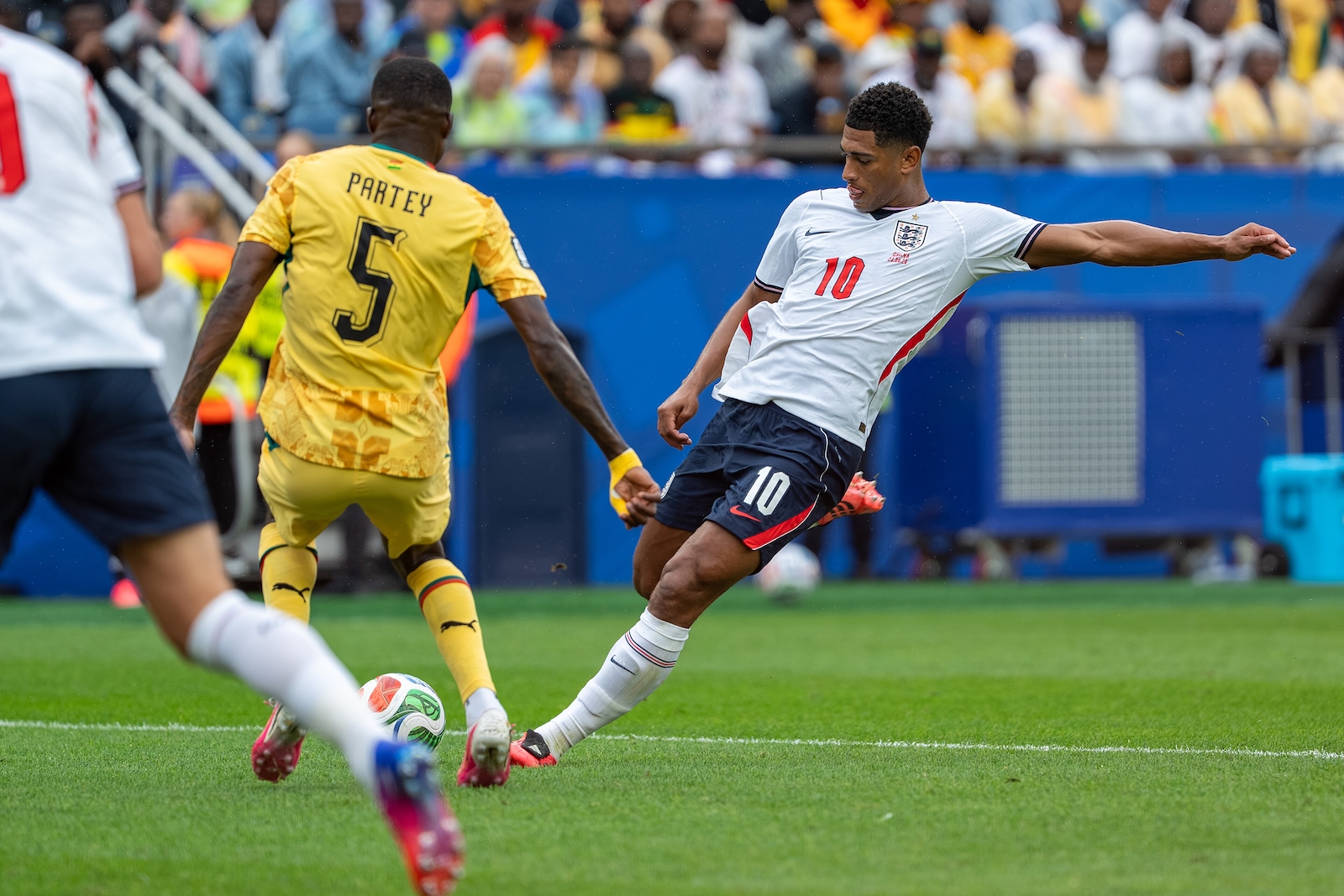
Throughout the tournament, African teams displayed remarkable tactical sophistication, technical ability, and mental resilience. The notion that footballing excellence is concentrated almost exclusively in Europe and South America feels increasingly outdated. The gap has narrowed dramatically, and the old hierarchy has begun to look less permanent with every tournament.
Young players now have greater access to sophisticated coaching methods, sports science, performance analytics, and international competition, regardless of where they were born. That access remains uneven, particularly in countries with limited facilities and funding, but the direction of travel is unmistakable. The result is a game that is not merely global in popularity but increasingly global in quality.
Japan and South Korea offered further evidence. Their performances reflected decades of investment, careful planning, and deeply rooted football cultures. They were not outsiders temporarily punching above their weight. They were elite teams competing exactly where they deserved to be.
Football, codified in England and elevated into an art form by countries such as Brazil, has completed its journey toward true universality. Its language is now spoken fluently on every continent.
If there were any doubts about where the sport is heading, FIFA has already provided a glimpse of its future. The 2030 World Cup, which will mark the competition’s centenary, will stretch across six countries and three continents. Morocco, Portugal, and Spain will serve as the principal hosts, while Uruguay, Argentina, and Paraguay will each stage a centenary celebration match.
The opening match will take place in Montevideo, where the inaugural World Cup was held in 1930. The symbolism is powerful: a competition born in South America, shaped in Europe, transformed by Africa and Asia, and now shared across continents.
FIFA presents this format as a celebration of football’s universality. In many ways, it is. But it also raises an important question: Where does sporting ambition end and commercial expansion begin?
That question became increasingly difficult to ignore during the 2026 tournament.
While football itself became more democratic, FIFA’s commercial ambitions appeared more expansive than ever. The organization increasingly presents itself not merely as the guardian of the sport but as an exceptionally efficient global entertainment business. Nearly every available moment seemed ripe for monetization. Even hydration breaks, introduced for legitimate sporting and medical reasons, became opportunities to deliver additional advertising to enormous television audiences.
The commercialization did not stop there. FIFA’s decision to sell preserved fragments of the natural-grass pitch used for the World Cup final, complete with certificates of authenticity and digital memorabilia, felt emblematic of an organization determined to extract value from every conceivable part of the event.
In an era when supporters already pay premium prices for tickets, subscriptions, merchandise, accommodation, and international travel, one is left wondering whether football’s governing body still knows where to draw the line.
From a financial perspective, Gianni Infantino’s tenure has undeniably been successful. FIFA’s revenues have grown dramatically since he assumed the presidency in 2016. Its revised budget projected record revenue of $13 billion during the 2023–2026 commercial cycle, demonstrating the extraordinary earning power of the expanded tournament.
Few executives in world sport can point to numbers of that magnitude. Infantino has taken what may already have been the most valuable asset in global sport and turned it into an even more formidable commercial machine.
But football’s greatest asset is not its cash reserves, broadcasting agreements, or sponsorship contracts. It is the emotional investment of billions of people.
That is why the central question facing FIFA is not whether it can continue generating more revenue. It almost certainly can. The real question is whether commercial growth will remain a means of supporting the sport or become an end in itself.
The beauty of the 2026 World Cup was not found in sponsorship deals, branded activations, collectible pieces of turf, or increasingly elaborate tournament formats. It was found in Cape Verde standing toe-to-toe with giants. It was found in African teams proving their competitiveness and Asian nations demonstrating their technical mastery. Above all, it was found in the realization that football’s future is more diverse, inclusive, and global than ever before.
The tournament leaves two lasting impressions. The first is optimism. Talent is everywhere, and the expansion of the World Cup has given millions of people new reasons to dream. Countries once treated as little more than decorative participants have shown that they can compete, inspire, and occasionally frighten the established powers.
The second impression is one of caution. As football becomes ever more universal, its governing institutions must remember that the game’s true value lies not in what can be sold, but in what cannot: hope, identity, belonging, and the shared joy of watching a ball connect people across every border on Earth.
If FIFA forgets that distinction, it risks treating football not as humanity’s most universal sport, but merely as humanity’s most lucrative product.