The Deadlock Hollowing Out Iraqi Kurdistan
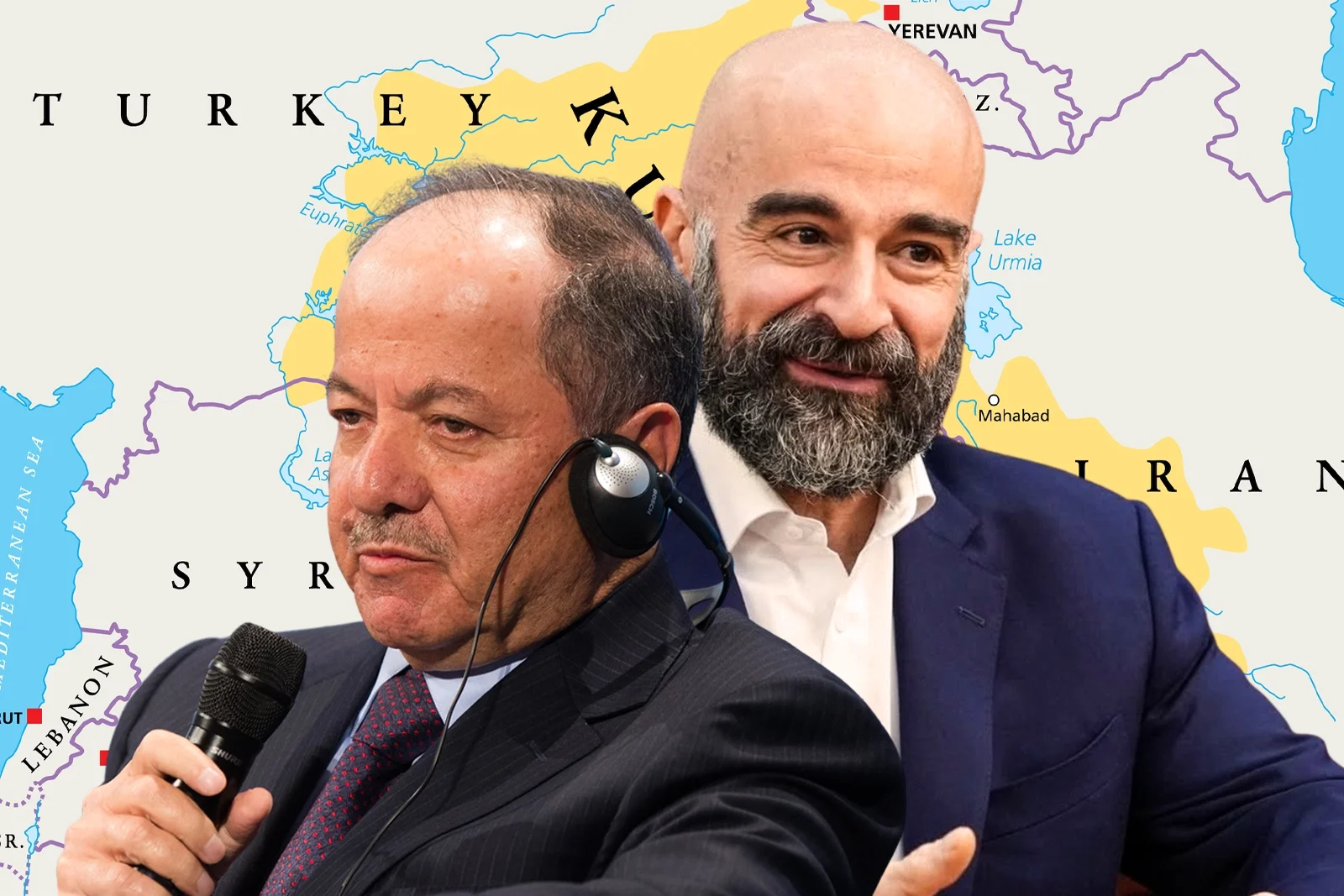
Next October will mark two years since Iraqi Kurdistan held its long-delayed parliamentary elections in 2024. The vote came after two years of postponements and again left the region’s two dominant parties—the Kurdistan Democratic Party (KDP) and the Patriotic Union of Kurdistan (PUK)—with the overwhelming majority of seats.
Together, they were charged with forming a new government in Iraq’s only autonomous Kurdish region. Yet the election has still not produced one. Intense political infighting has paralyzed negotiations and left the result largely unfulfilled.
For the Kurdish public, the rivalry has created a grinding uncertainty. The Iraqi Kurdistan Parliament has been inactive since 2023, following a ruling by Iraq’s Federal Supreme Court. The Kurdistan Regional Government (KRG) now faces mounting questions about its legitimacy, while Kurdish institutions remain caught in legal limbo. No new cabinet has been formed to confront the region’s institutional decay.
That paralysis comes as the conflict with Iran spills directly into Iraqi Kurdistan. Since war broke out in the Middle East on February 28, Iran-backed militias and the Islamic Revolutionary Guard Corps have continued to target critical sites across the region. The most recent attack came on August 17, when the KRG prime minister’s headquarters was struck. The war’s widening fallout has intensified regional instability.
The expected withdrawal of U.S. air-defense systems, which had helped shield the region from Iranian missiles, coincides with the scheduled end of the coalition presence in Iraq by late September under an official agreement. For the KRG, the two developments point to a dangerous erosion of external protection. Iraq’s pro-Iranian factions have long accused the Kurdish region of harboring foreign troops and have repeatedly used strikes to pressure its leaders.
Baghdad, meanwhile, has acquired new opportunities to curb Kurdish self-government as a different order takes shape across the Middle East. The February war with Iran has raised fresh questions about the durability of U.S. primacy. That shift carries serious consequences for the Kurds, a pro-Western non-state actor that has long hosted U.S. and coalition forces.
The federal government is also eager to reclaim control over the region’s valuable hydrocarbons and export routes. Such a move would deepen Kurdish economic dependence while helping Baghdad confront Iraq’s oil crisis, particularly amid the continuing turmoil in the Strait of Hormuz. The KRG once sold oil independently on global markets through a pipeline running from northern Iraq to the Turkish Mediterranean port of Ceyhan, bypassing the region’s vulnerable maritime chokepoints. Those exports stopped in 2023 after an international arbitration ruling in Paris found that Turkey had violated an agreement with Baghdad by facilitating them without the federal government’s consent.
Baghdad’s leverage over Kurdish affairs has expanded sharply since the defeat of the Islamic State, giving the central government its greatest authority over the region in more than a decade. The KRG also lost control of large areas it had held after the Iraqi army’s retreat during the Islamic State’s 2014 offensive. Following the 2017 Kurdish independence referendum, federal forces and Iran-backed groups moved into those disputed territories, including Kirkuk, reversing much of the Kurdish advance.
The federal government now exercises decisive control over the disbursement of public-sector salaries in the region, another consequence of the KRG’s lost economic independence. Baghdad’s command of budget transfers functions as a form of carrot-and-stick power: funds can be released or withheld to extract concessions. The dispute has dragged on for more than a decade, steadily constraining the KRG’s political room for maneuver.
Yet neither major Kurdish party appears willing to compromise over the power and resources each expects to control in the next government. Prospects for a breakthrough continue to recede as the rhetoric grows sharper. By October, the stalemate will have surpassed the 541-day Belgian record often invoked as a benchmark for protracted government formation. More seriously, Iraqi Kurdistan’s deadlock could invite another intervention by the Federal Supreme Court, potentially threatening the validity of the 2024 election and further undermining the KRG’s legitimacy. In a regional order already under strain, Baghdad’s growing legal assertiveness offers another avenue for federal encroachment.
The KDP and PUK increasingly behave as if their contest must produce a zero-sum outcome. Each party’s determination to deny the other a decisive advantage risks reviving the destructive logic of the Kurdish civil war of the 1990s, when disputes over revenue and power-sharing descended into armed conflict before a U.S.-brokered agreement halted the fighting.
Their rivalry resembles the classic game of chicken: Two drivers accelerate toward one another on a narrow road. The first to swerve loses face and is branded the “chicken”; the driver who holds course is declared the winner. But if neither turns away, both crash. The metaphor captures the danger in Iraqi Kurdistan. Each party assumes the other will retreat first, even though mutual intransigence threatens the political system on which both depend.
Unchecked partisan competition could therefore end not with one side’s triumph, but with the erosion of Kurdish autonomy itself. Neither party has yet swerved by accepting the compromises necessary to form a government and renew the KRG’s legitimacy. Both also possess entrenched power on the ground through their respective security forces, territorial strongholds, local administrations, and patronage networks. Those parallel systems have endured since the civil war. They give each side the means to resist the other, but they also ensure that a collision would damage the entire region.
The convergence of internal paralysis and external vulnerability could open another disastrous chapter for Iraq’s Kurds. Turkey, Baghdad, or both could enter the game more forcefully, adding new players and making compromise even harder.
The alternative may be a gradual reduction of the KRG from a quasi-state with meaningful political power to little more than an administrative body. In this contest, refusing to yield may look like strength. It may instead leave both parties presiding over the collapse of what they claim to defend.