
America’s Quiet Red Line in Iraq
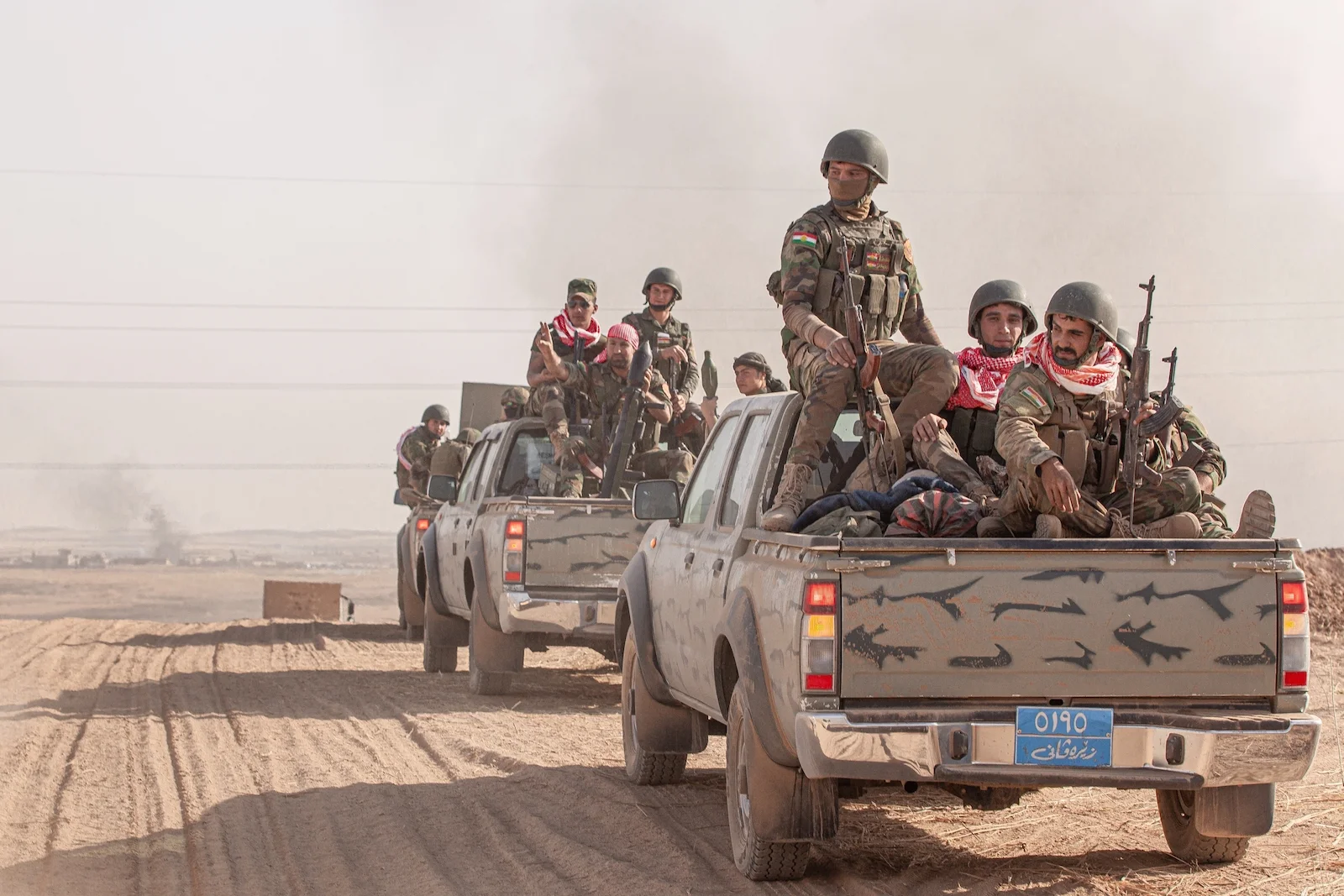
For decades, Washington’s relationship with Iraq’s Kurds has been fueled by a mix of gratitude and grievance: gratitude for battlefield partnership against ISIS and Saddam’s remnants; grievance over moments when U.S. help arrived too late, too little, or not at all. The complaints are familiar and, from Erbil’s vantage, often justified. President Donald Trump’s recent commentary was not a new policy but an unvarnished description of the old one: America will not break the Iraqi state to satisfy Kurdish aspirations—no matter how loyal the Kurds have been or how ably they’ve fought.
Trump’s core claim is brutally simple. The United States has already paid dearly in Iraq, in blood and treasure, to build a post-2003 order and to suppress jihadist threats. Having spent vast sums and lost thousands of American lives, Washington will not now pivot to confront the very government it midwifed. In that frame, calls to “choose the Kurds” over Baghdad collide with the strategic investment the U.S. has already made in Iraq’s sovereignty.
He has, at times, praised the Kurds as “good fighters,” while adding a barb that stung in Erbil: fighters who do best when backed by American airpower, “a $10 billion airplane,” as he put it. The point was not to belittle Kurdish courage but to reassert the limits of U.S. commitments. When Kurdish forces withdrew from Kirkuk and federal troops moved in, Washington did not step between them. The city’s return to Baghdad’s control became a case study in the American veto: support the Kurds when their goals align with counterterrorism and stabilization, but do not underwrite a confrontation with Baghdad.
That logic predates Trump and, for the most part, survived him. Since 2003, administrations and congressional leaders of both parties have voiced admiration for Kurdish resilience, funded security forces, and leaned on Baghdad to respect Iraqi-Kurdish arrangements. Yet the support has always had a ceiling. It did not include endorsing independence after the 2017 referendum, nor backing Kurdish control of disputed territories when doing so risked a broader rupture with Baghdad. The United States has tried to husband influence in Baghdad while preventing Kurdish marginalization, a balancing act that by definition leaves both sides dissatisfied.
Trump’s departure from the Washington idiom is stylistic, not strategic. Others imply, he declares. Where officials have long preferred euphemisms about “balance” and “de-escalation,” Trump said the quiet part aloud: foreign policy runs on interests first, values second. That candor is abrasive, but it clarifies a pattern many policymakers privately concede. Praise the ally. Fund the mission. Then, when the moment of maximal divergence arrives, side with the central government you still need.
For the Kurds, that pattern produces a recurring cycle of reliance and restraint: U.S. backing against common enemies like ISIS, followed by U.S. reluctance when Kurdish ambitions press into the red lines of Iraqi sovereignty. For American officials, it preserves leverage in Baghdad and avoids another open-ended confrontation, at the cost of breeding cynicism among partners who took Washington’s rhetoric at face value.
Trump’s framing forces a useful honesty test. If the United States is unwilling to jeopardize its relationship with Baghdad, it should say so plainly, calibrate assistance accordingly, and help mediate durable arrangements on revenue sharing, force integration, and disputed territories rather than implying support it will not ultimately provide. The choice is not between abandoning the Kurds and recognizing their every claim. It is between strategic clarity and strategic pretense.
In that sense, Trump did not remake U.S. policy; he stripped it of its euphemisms. The bluntness alienates, but the diagnosis tracks with two decades of practice: Washington will aid Kurdish security and political participation inside Iraq, up to the point where doing so threatens the Iraqi state it helped build. That tension won’t disappear with a different messenger. It is the architecture of American policy itself.