Country Club Diplomacy
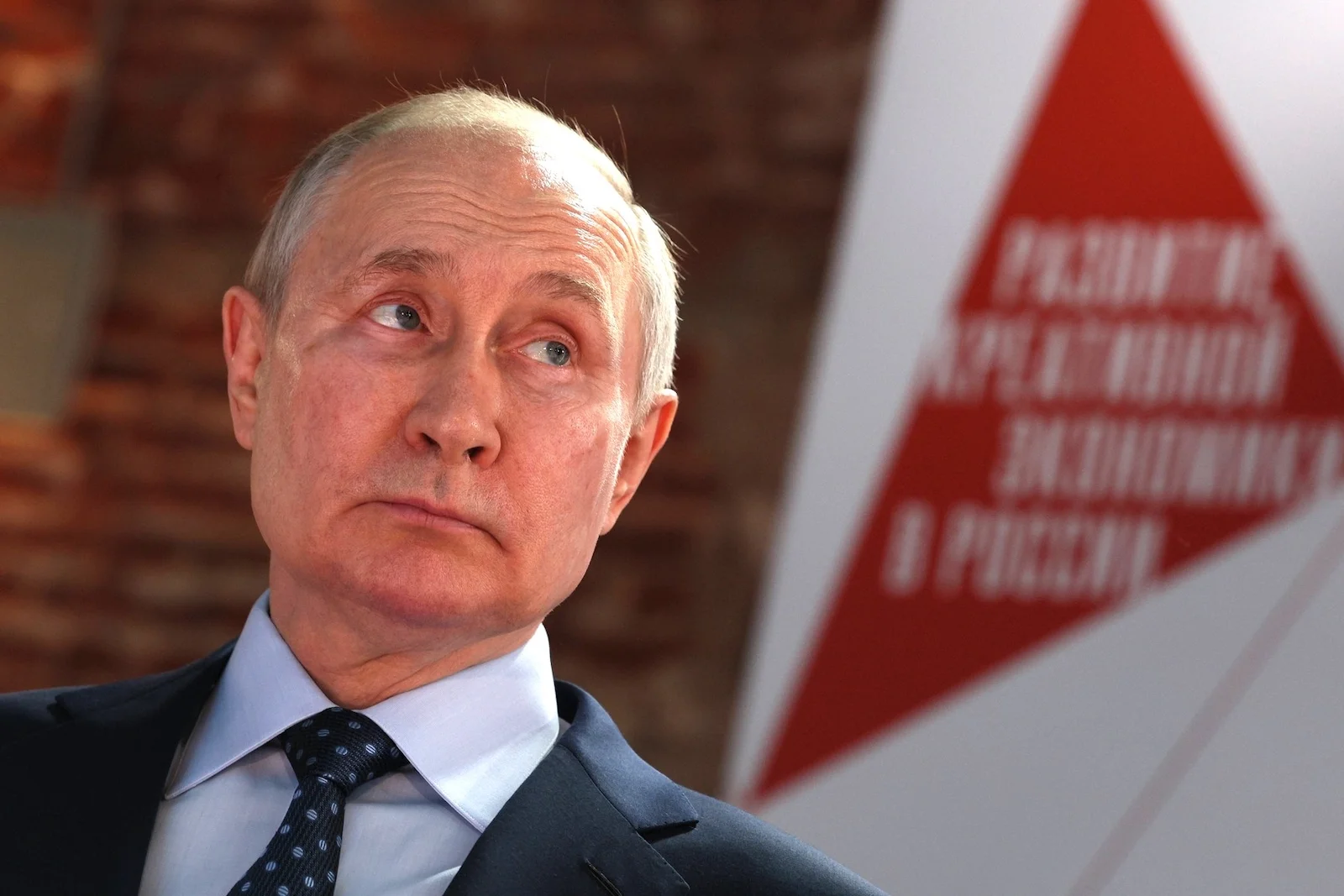
When Donald Trump returned from Shenzhen, he wanted Americans to know how well he got along with Vladimir Putin and Xi Jinping. He had called Xi a friend to his face. Back in Washington, when asked whether Putin was a friend to America, Trump responded by emphasizing his own good relationship with the Russian president. The question concerned the United States. The answer concerned Donald Trump. That distinction lies at the heart of what I call country club diplomacy.
An American president ought to be able to sit down with the leader of a hostile power and speak candidly. A measure of personal trust may help secure a meeting or elicit a straight answer once the two are across the table. But American foreign policy must ultimately rest on American interests, obligations to allies, and agreements that can be verified and enforced. A president who takes pride in his rapport with a foreign ruler must still ask what that ruler stands to gain by keeping his word and what it will cost him to break it.
Franklin Roosevelt succumbed to a similar confidence. In 1942, three years before Yalta, he wrote Winston Churchill, “I think I can personally handle Stalin better than either your Foreign Office or my State Department.” Roosevelt had compelling reasons to preserve the wartime alliance. Germany was still fighting when the leaders assembled at Yalta in February 1945, Washington wanted Soviet assistance against Japan, and the Red Army already occupied Poland and much of Eastern Europe. Roosevelt and Churchill secured a pledge of free elections. But Stalin had the troops in place to render that pledge meaningless, and Moscow proceeded to impose or consolidate its rule across much of Eastern Europe. Roosevelt confronted an unforgiving military reality. His ability to get along with Stalin offered no way around it.
George W. Bush made a remarkably personal judgment after his first meeting with Putin in 2001. Bush said he had looked Putin in the eye, found him straightforward and trustworthy, and gotten a sense of his soul. The man sitting across from him had served as a Soviet KGB officer in Dresden, in communist East Germany. That experience revealed considerably more about the institutions that had shaped Putin than an afternoon in Slovenia could. Seven years later, Russian troops crossed into Georgia. In 2023, following Russia’s full-scale invasion of Ukraine, the International Criminal Court issued an arrest warrant for Putin over the alleged unlawful deportation and transfer of Ukrainian children. These are matters of public record. A president’s personal impressions across a negotiating table are a slender thing to weigh against them.
Consider Ukraine. Trump’s envoys helped bring Ukrainian and Russian officials back to the negotiating table this month. After meeting Putin in China, Trump praised their conversation and said he wanted a broader peace agreement before addressing security guarantees. Putin wants all of the Donbas, including territory his army has failed to capture. If Washington pressures Kyiv into surrendering territory while postponing the question of how Ukraine will defend itself, I would call that selling out Ukraine. Ukrainians may eventually choose to accept a ceasefire on terms they wish were more favorable. But they should have a meaningful role in determining those terms and know, before agreeing to them, what happens if Russia violates the agreement. A family in Kharkiv has every right to ask who will ensure that the shooting does not start again.
In the Pacific, Trump has already demonstrated how easily this approach to diplomacy can jeopardize American partners. After meeting Xi in Beijing in May, he described a proposed $14 billion arms package for Taiwan as a “bargaining chip.” A senior State Department official subsequently said the sale did not hinge on negotiations with Beijing. In Shenzhen, Xi warned, according to China’s official account, that mishandling the Taiwan issue could undermine relations with the United States. By then, Xi had already heard the American president suggest that Taiwan’s ability to defend itself might be subject to negotiation. Xi can enjoy a cordial relationship with Trump while simultaneously pressing him to leave Taiwan more vulnerable.
Japan and the Philippines are American treaty allies. Taiwan’s relationship with the United States rests on the Taiwan Relations Act. All three must assess whether Washington will honor its commitments when doing so comes at a price. A Philippine officer sending a crew into contested waters or a Japanese cabinet weighing its response to a regional crisis has little practical use for the news that Xi greeted the American president at the airport. They need to be able to make decisions on the strength of what the United States has committed itself to doing, not on the apparent warmth of its president’s personal relationships.
The president can take Putin’s calls and welcome Xi to the White House. He can also tell them plainly what the United States intends to defend and what it expects in exchange for any concession. When he returns from his diplomatic engagements, let him tell Americans what was agreed upon, how we will know whether those agreements have been honored, and what he intends to do if they are broken.
The friendship is his. The obligations are ours.