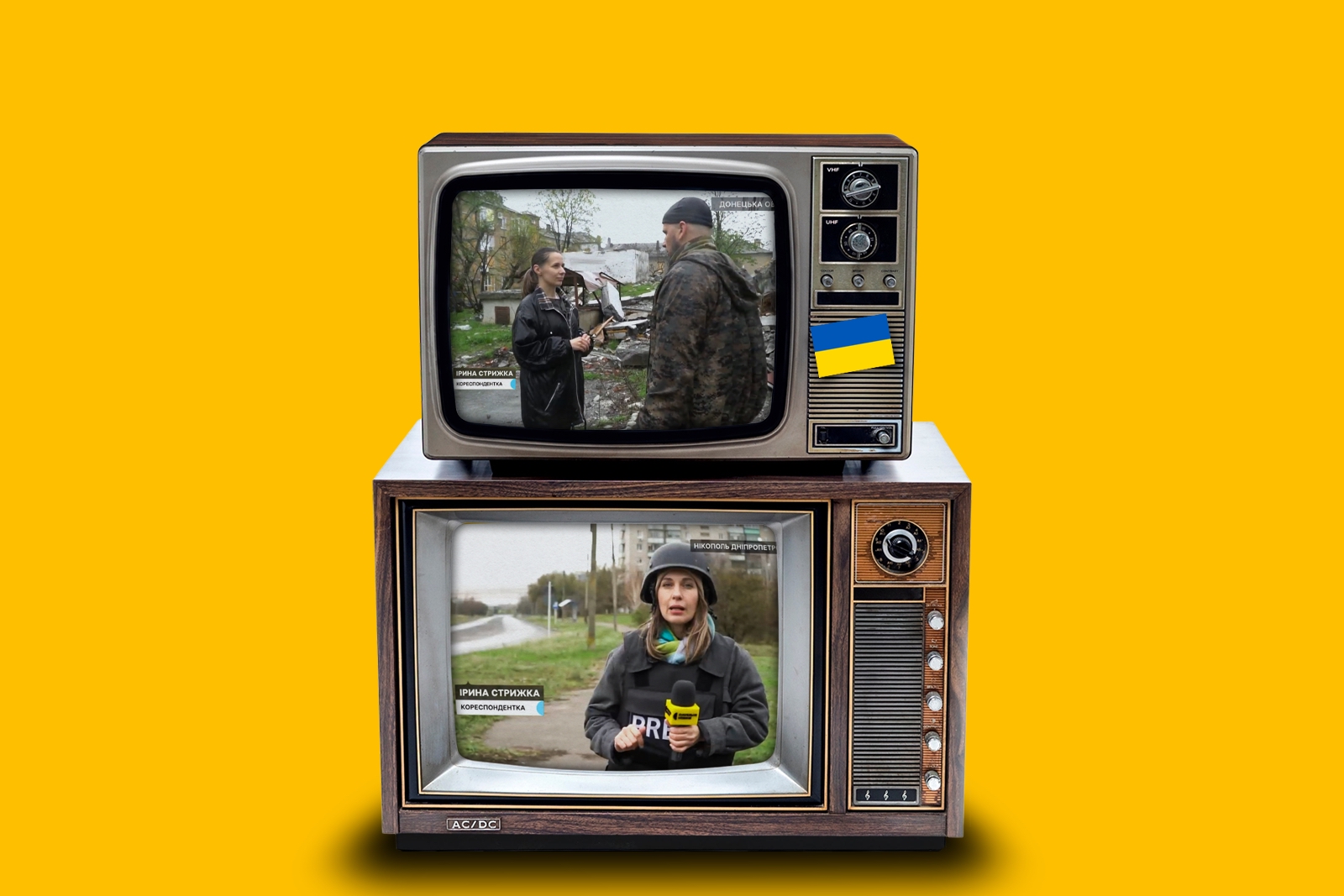

How a Russian Drone Strike Changed Iryna Stryzhka’s View of Life, Journalism, and War
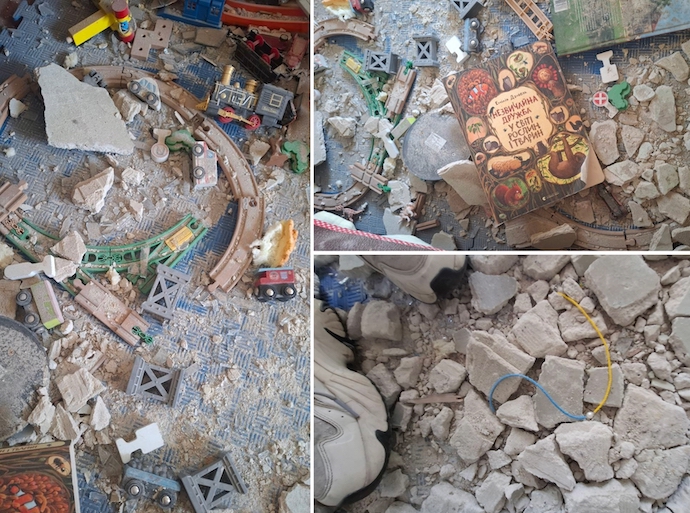
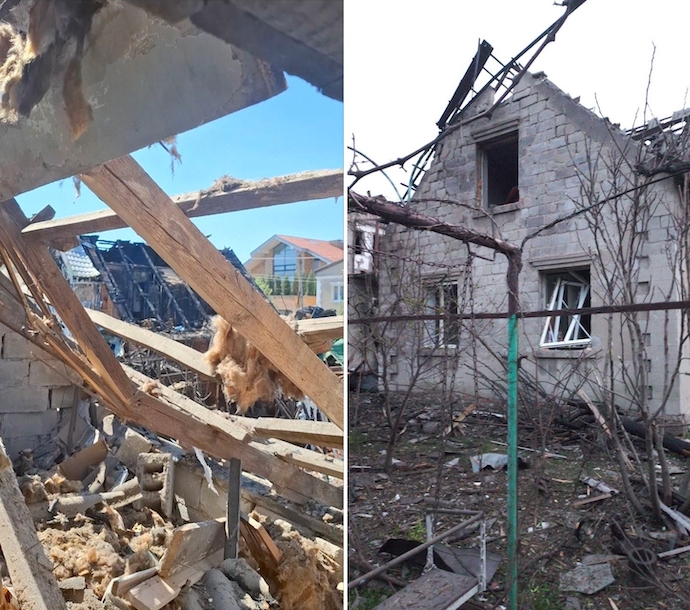
On the night of April 16, 2025, a Russian drone strike nearly erased everything Iryna Stryzhka called home. The Dnipro-based journalist, who reports on the war for D1 Channel, survived alongside her children as explosions, fire, and shattered glass tore through her neighborhood. Yet the destruction of her family home only deepened her understanding of what countless Ukrainians have endured throughout Russia’s full-scale invasion.
As both a journalist and a mother, Stryzhka occupies a unique position in wartime Ukraine. She documents the suffering of others while carrying the same fears, losses, and uncertainties into her own home. Her experience has reinforced her belief that dignity must remain at the center of journalism, particularly when reporting on victims of war. It has also sharpened her appreciation for the fragility of civilian life and the resilience required to continue raising children under the constant threat of attack.
In this interview, Stryzhka reflects on survival, motherhood, trauma, media ethics, and the daily reality of living through Russia’s ongoing assault on Ukraine. Her account is both deeply personal and broadly representative of a society determined to preserve its humanity amid war.
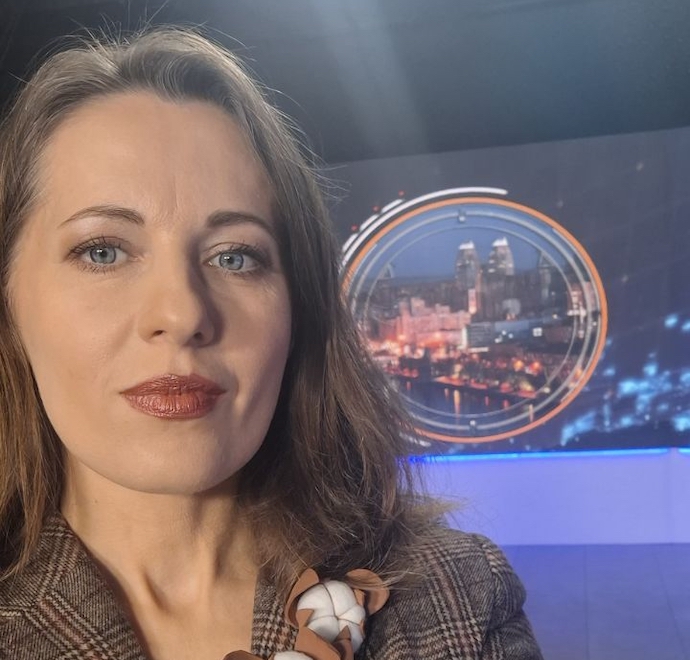
This interview has been edited and condensed for clarity.
Scott Douglas Jacobsen: A Russian drone strike destroyed your family home in April 2025. Looking back on that night, what remains most vivid in your memory, and how are you coping with its aftermath today?
Iryna Stryzhka: I feel all right now, but the last two days have been difficult because of intense Russian attacks.
I am grateful that I survived. I realized that life has the highest value. Today, it is not only soldiers at the front who are in danger. Civilians can also become victims of an attack at any moment. That is why life comes first.
We are now living in temporary housing while we wait for the house to be rebuilt. The loss of the house is painful, but survival matters more than anything else.
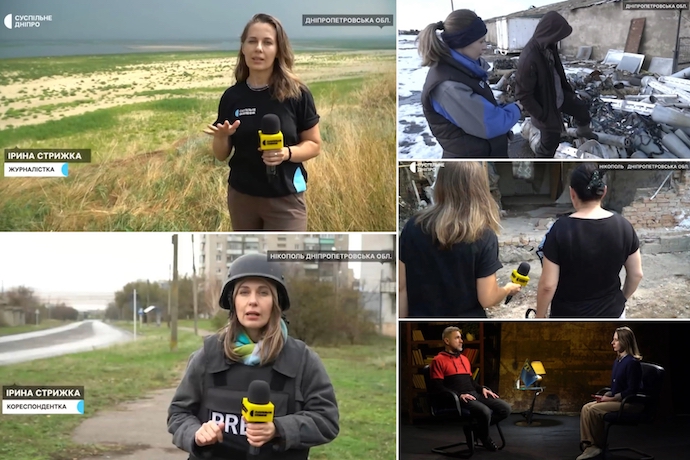
Jacobsen: In the days and months following the attack, where did you find the strength and support needed to help your family recover and move forward?
Stryzhka: First, I understood that I had to be strong. I had to be a source of support for my children. That helped me cope with the anxiety that came after the attack on my home. I have to take care of my own inner resources because my children need to feel that they can rely on me.
My husband was also a major source of support. At the time, he was serving on the front line. Later, after he was injured, he began serving in Dnipro. Now we support each other. I can say that our family became even stronger after this. So, when I speak about support, I speak first about my family.
I also received support from psychologists. That was important because I needed to remain stable and strong for my children.
During this period, I also received support from colleagues and from the journalistic community. Natalia Nazarova was one of the first people to contact me. Other journalists from Dnipro also reached out. My colleagues were worried about me, too. At first, I was in shock and did not fully understand what was happening to me, but my colleagues treated me carefully, stayed with me, and supported me.
The Dnipro Center for Journalistic Solidarity and the wider journalism community became one of my strongest sources of support. They contacted me from the first day and continued to support me until the situation was as stable as possible under the circumstances. That professional solidarity helped me feel that I was not alone.
Jacobsen: How has motherhood shaped the way you experience and understand the war, particularly as you try to protect your children while maintaining a sense of normalcy?
Stryzhka: Being a mother means living with constant concern for your children’s safety. My children go to school and kindergarten, and every air-raid alarm immediately changes everything. I have to think about where they are, whether they are safe, and what needs to be done.
I carry the necessary school documents with me so that, during an alarm, I can take my child home when required. Even when I am not physically with my children, I am always thinking about their safety. That constant vigilance is one of the biggest changes.
There is almost no real rest. You are always responsible, always alert, always trying not to burn out. At the same time, you have to find ways to recover, regain strength, and continue being a mother.
Jacobsen: Air-raid alarms have become a routine part of life across much of Ukraine. What does an alarm mean for your family in practical terms, and how has that constant disruption changed daily life?
Stryzhka: When there is an alarm, we gather together, go into the corridor, and stay there. There is no shelter in our building. We live on the eighth floor of an apartment block, so we go into the hallway, away from the windows, into the space between rooms. We keep pillows and blankets there. Sometimes, during attacks, the children sleep there through the night.
Jacobsen: You have experienced this war both as a journalist and as a civilian directly affected by Russian attacks. How has that experience influenced the way you approach reporting on trauma, loss, and human suffering?
Stryzhka: Even before the full-scale war, we understood the importance of working carefully with sensitive topics. We knew there were limits to what should and should not be photographed for journalistic materials. After the attack on my own home, that became even more important to me.
I remember the moment of the attack. I was in my pajamas. My child was barefoot and in my arms. There was fire, smoke, broken glass, emergency vehicles, and chaos around us. At that moment, one of my strongest thoughts was: I do not want anyone to photograph me like this. I do not want this image to appear in the media.
For me, this is about dignity. A person who is suffering, or whose relatives are suffering, must not be reduced to an image of pain.
Jacobsen: Having witnessed the consequences of war up close, what thoughts or emotions stay with you when you learn that another civilian has been killed?
Stryzhka: The main feeling is that it could have been me. During the attack, we did not know who was where or what had happened to everyone. Later, I learned that a woman in a neighboring house had died. My first thought was: it could have been me.
During the attack, I called the emergency services and told them that there were four of us, so they would know where to look for us if something happened. In that moment, you understand that you can die too.
This is life in wartime. We live here. We did not leave. That is our choice, but we understand that tragedy can happen at any moment. Every time there is an alarm or an attack, I try to protect my children and myself as much as possible. We move away from the windows, go into the corridor, and wait.
Jacobsen: Is there a particular image, experience, or reality of war that you wish neither you nor any other Ukrainian had ever been forced to see?
Stryzhka: Death. I do not want to see death. I do not want to lose any of my relatives. My husband is serving in the war, and I worry about him. I do not want anything to happen to him. I want everyone to be safe, but because the war is still ongoing, that is only a wish.
Jacobsen: What have your children said or done during the war that continues to stay with you, and what does it reveal about the impact of conflict on Ukraine’s youngest generation?
Stryzhka: My children see explosions. They see destruction. They see the fires caused by Russian drones and missiles. They talk about these things, and I cannot forget that. I do not want my children to have to see any of this.
Jacobsen: Thank you for sharing your story today, Iryna.
Translation provided by Liana Okhrymenko.