Keeping Jewish Life Alive in Wartime Odessa
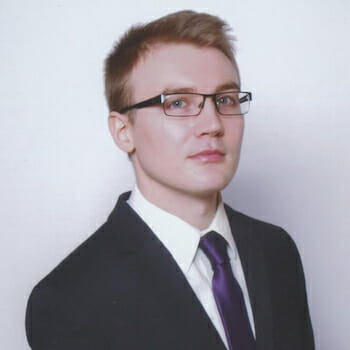
Rabbi Mendy Wolff, also known as Menachem Mendel Wolff, serves Odessa’s Chabad community. The son of Rabbi Avraham and Chaya Wolff, he previously taught in the community’s school. In March 2022, he accompanied 120 children from Mishpacha Children’s Home to Berlin and assumed responsibility for their care during the wartime evacuation.
In this interview, Scott Douglas Jacobsen speaks with Wolff about Mishpacha Children’s Home, the Wolff family’s connection to the Osipova synagogue, Soviet repression, Chabad’s traditions, and the evacuation to Berlin. They also discuss the educational, religious, and humanitarian work sustaining Jewish life in wartime Odessa.
Scott Douglas Jacobsen: Your family’s work in Ukraine began in Kherson before moving to Odessa. How did that work begin, and how did your own involvement develop?
Rabbi Mendy Wolff: My father worked in Kherson from 1992 until 1998. Then, in August 1998, he began leading the community here in Odessa. So there are two different dates. The work in Ukraine started in 1992. The work here came later. My parents, Rabbi Avraham and Chaya Wolff, developed the schools and the children’s home. When the evacuation happened in 2022, my wife, Mushky, and I went with the children. My parents stayed in Odessa to help the community.
Jacobsen: What led your parents to establish Mishpacha Children’s Home?
Wolff: It began in 2001, with two children. A grandmother came to the synagogue with her grandchildren after their mother had been killed. She couldn’t look after them herself, so she asked my parents for help.
They arranged care for the children. Then other children came, each with difficult circumstances. That is how it grew. It started with children who needed somewhere to go.
Jacobsen: The word “orphanage” can suggest that every child has lost both parents. What circumstances bring children to Mishpacha, and what support do they receive?
Wolff: No. Some children have living parents, but their parents cannot care for them. There can be illness, addiction, abuse, or serious financial problems. Each child has a different situation.
We provide housing, food, education, and care. The support can continue as they grow older. Mishpacha also helps former residents when they marry and begin families of their own.
 Jacobsen: How did your parents’ educational network develop, and how does the children’s home fit within it?
Wolff: My parents began the school network with a kindergarten and a day school, with 57 children. By its tenth anniversary, reported in January 2010, it had about 600 pupils.
But those are different numbers. Not all the children attending the schools live in the children’s home. In that same report, the home had about 60 children. We should distinguish the school network from the residential home.
Jacobsen: For readers unfamiliar with Chabad, what does its name mean, and what traditions shape its work?
Wolff: Chabad comes from three Hebrew words: chochmah, binah, and da’at. Wisdom, understanding, and knowledge. It is a Hasidic movement that began with Rabbi Schneur Zalman of Liadi in the eighteenth century.
Lubavitch is the name of the town where the movement was based for more than a hundred years. The name bears that history. Today, people encounter Chabad through a synagogue, a school, a class, or community support. Its work includes education and practical support.
Jacobsen: How did Chabad develop into an international network, and where does your family’s work in Ukraine fit within that history?
Wolff: The sixth Rebbe, Rabbi Yosef Yitzchak Schneersohn, came to New York in 1940. The movement developed its educational and social organizations there. His son-in-law, Rabbi Menachem Mendel Schneerson, formally accepted the leadership in 1951. He expanded the work of the shluchim, the emissaries, in communities internationally. The work my parents began in Ukraine belongs to that history.
Jacobsen: What is the history of the Osipova synagogue, particularly its connection to charitable work and its treatment under Soviet rule?
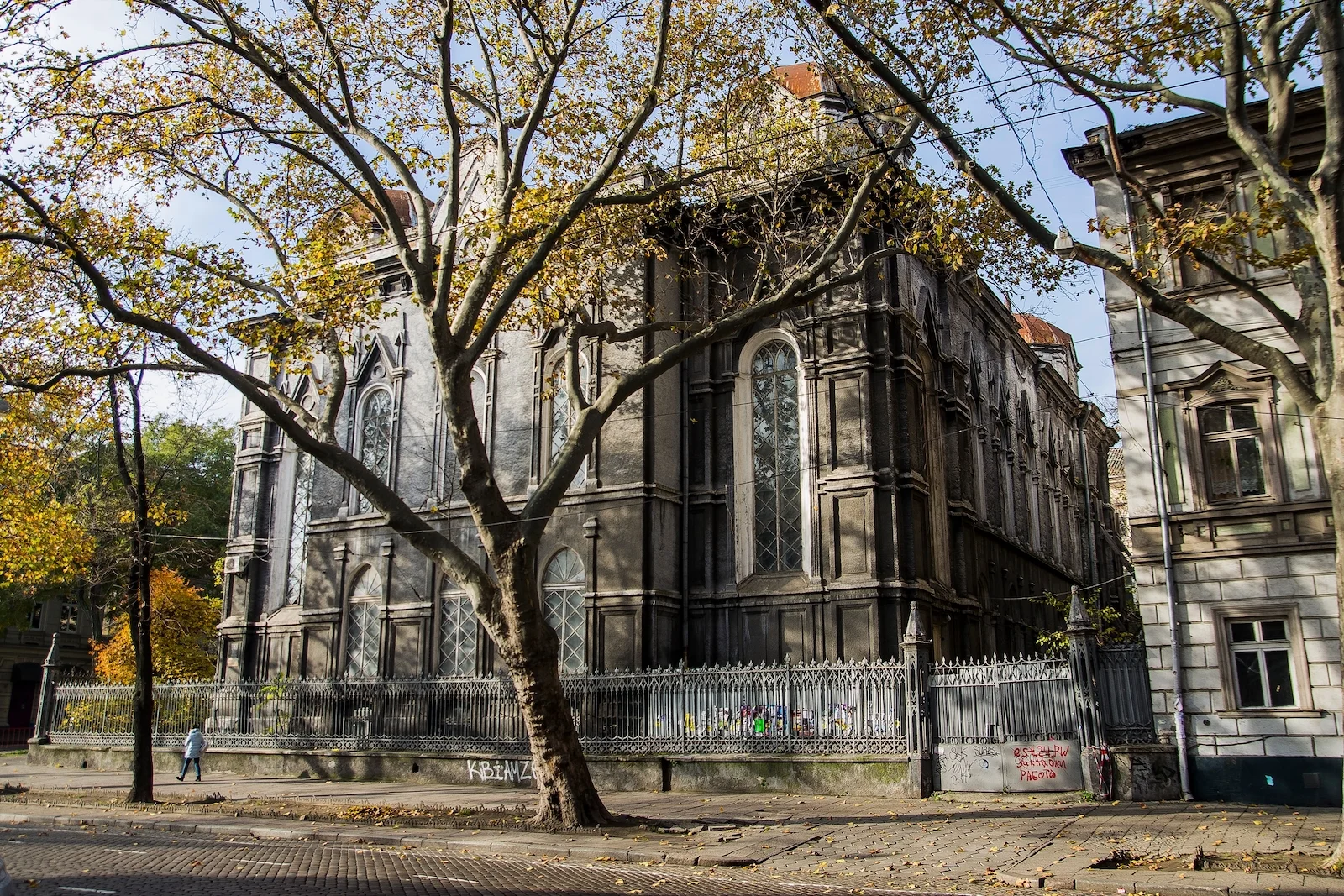
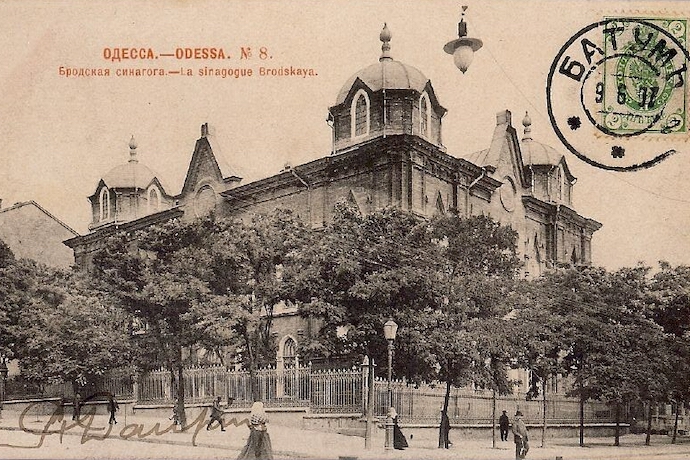
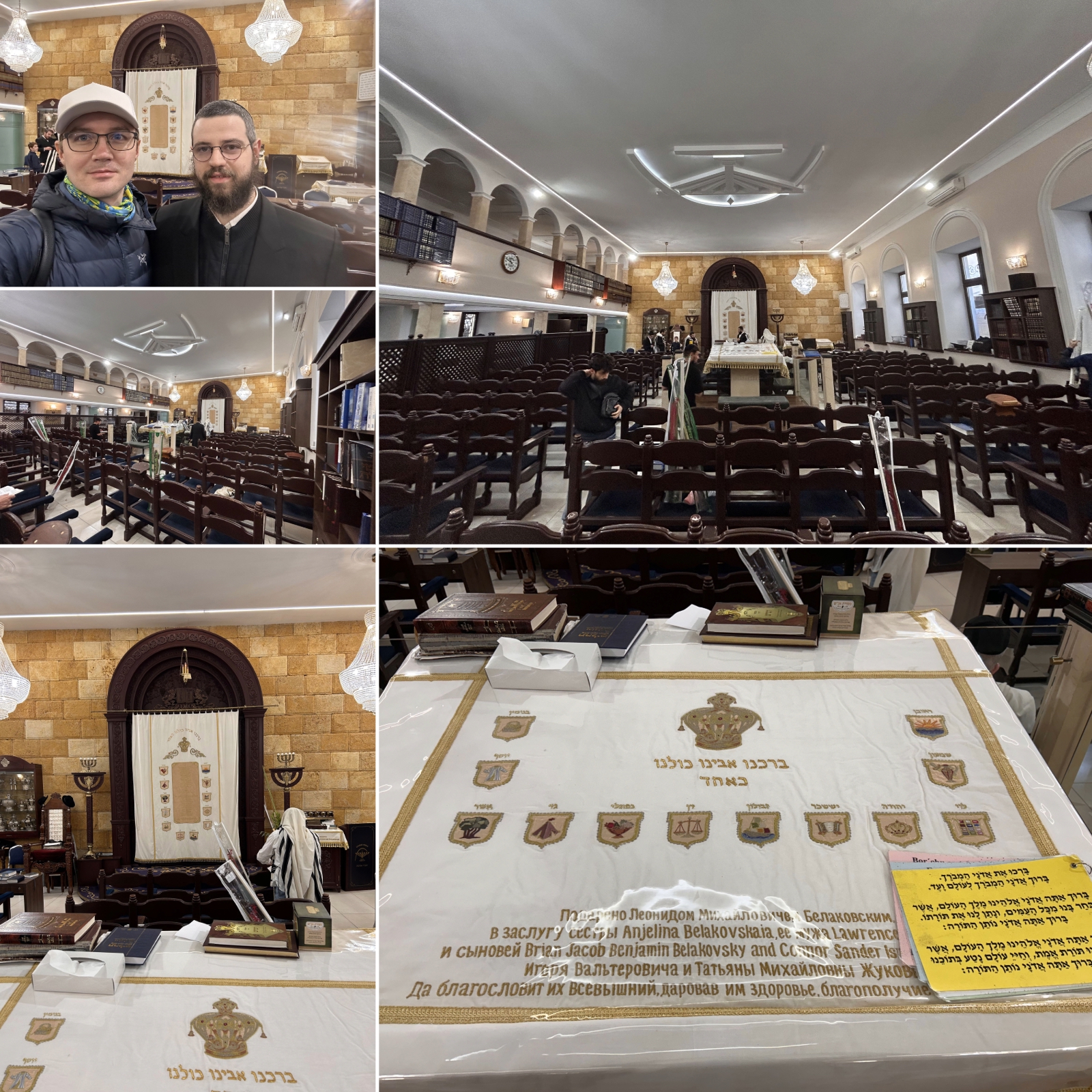
Wolff: The building at what was known as 21 Osipova Street is connected to charity. The community’s history records that the prayer house belonged to a society that provided clothing for poor Jewish people. It was established in 1893. The synagogue was closed in the late 1920s during the Soviet period. The Jewish community regained the building in 1992.
Jacobsen: How does the synagogue’s history intersect with your family’s, and what does returning to serve there mean to you spiritually?
Wolff: Spiritually, the synagogue was built over 120 years ago. Its last rabbi was Rabbi Zusha Friedman. He passed away from a heart attack and grief after Stalin killed his two sons, who were also rabbis.
They refused to send their children to the communist school. Rabbi Zusha was the final rabbi of the Osipova synagogue. Later, the communists appropriated the building for government use. It eventually became a warehouse.
After Perestroika, when the Jewish community requested the return of one of the eighty-three buildings confiscated from them, the government returned this specific synagogue.
It was precisely here that we arrived on a mission from the Lubavitcher Rebbe. It is a remarkable phenomenon and a wondrous instance of Divine Providence: despite the war waged against religion and against the rabbi himself, his great-grandson now serves as the community’s rabbi in that very same synagogue.
 Jacobsen: How did you organize the wartime evacuation to Berlin while maintaining support for community members who remained in Odessa?
Wolff: When the war began, we evacuated the children from the children’s home to Berlin together with the entire staff. At the same time, we also helped single mothers from our community relocate to Berlin and live there with us.
At one point, more than 400 people were living in Berlin at the community’s expense. We essentially built and ran a functioning community there. We provided medical care, education, and daily support. We established a kindergarten and a school, and even helped university students continue their studies online through the University of Odessa.
At the same time, the community in Odessa continued to function for those who did not want to leave or could not leave the city for various reasons. The first year was therefore extremely challenging.
In Odessa, we had to build and prepare shelters, purchase generators, and organize supplies, food, and other essential equipment because we did not know what the next day would bring. At the same time, we managed the children and families in Berlin, with all the complexities of creating a temporary community in a new and unfamiliar environment.
It was an enormous logistical and emotional challenge. However, throughout it all, our goal was to ensure the children, families, and members of our community continued to have a safe environment, education, medical care, and a sense of community and stability.
Jacobsen: How does Odessa’s Jewish community support its members through the different stages of life?
Wolff: The scope of Jewish community life in Odessa is designed to support a person throughout the different stages of life.
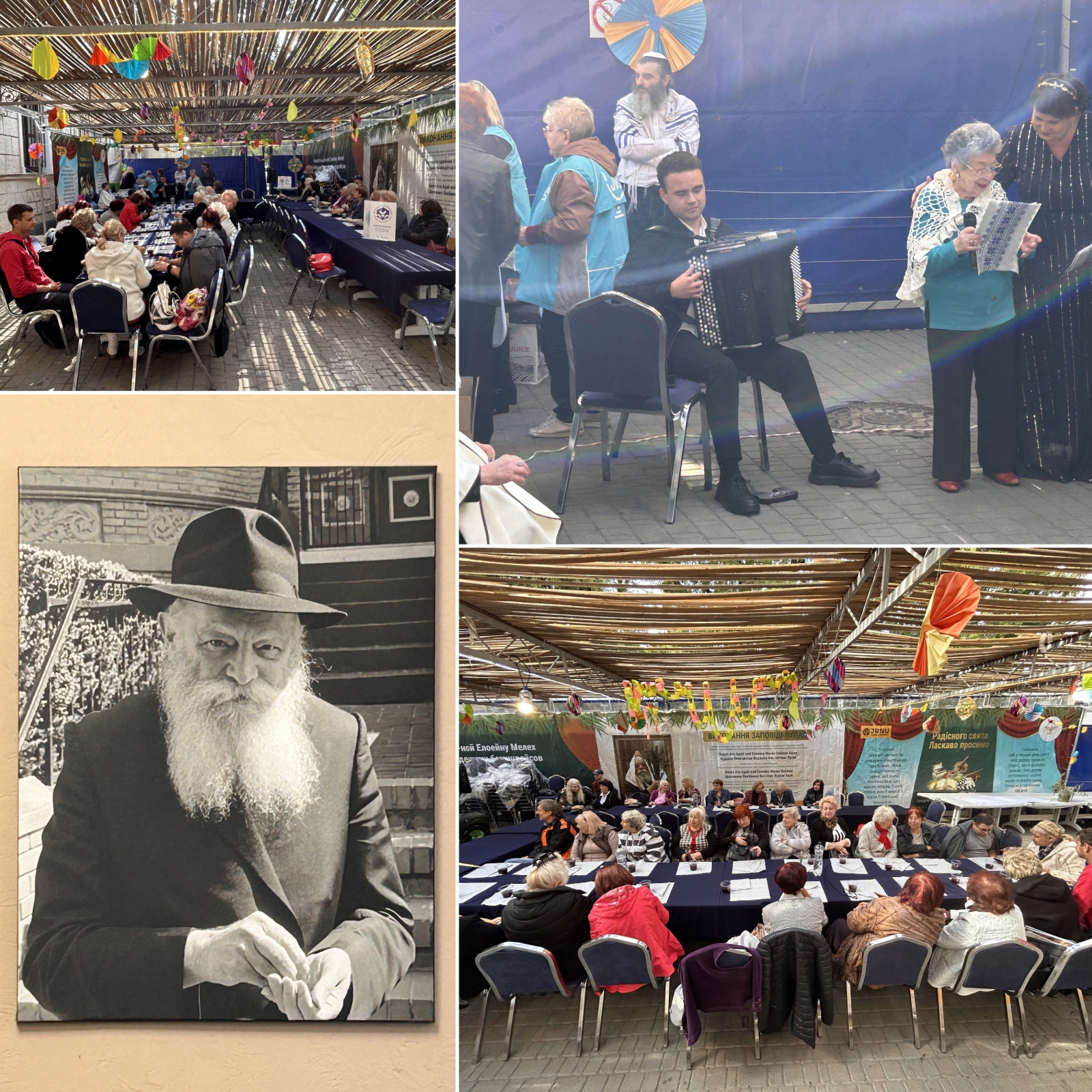
A Jewish child can be born into the community, have a brit milah, and continue through kindergarten, school, university, yeshiva, or other Jewish educational institutions. Community members celebrate the Jewish holidays together, as well as important family milestones such as bar and bat mitzvahs and weddings.
We also have a Jewish home for the elderly, providing older members of the community with the care and dignity they deserve in their later years. A Chevra Kadisha ensures that Jewish members of the community receive a proper Jewish burial.
Our community also offers cultural programs and informal activities for people of all ages, as well as separate Torah classes for women and men.
Alongside education and religious life, we provide extensive humanitarian assistance, including food packages, clothing, medication, a hot kitchen and hot meals, medical equipment loans, and other essential support.
In this way, the community is there for its members throughout the entire cycle of life—from birth and childhood, through education and family milestones, to old age and burial while also providing practical support whenever it is needed.
Jacobsen: How large was Odessa’s Jewish population before the Second World War, and how had that changed by the 2001 census?
Wolff: The 1939 census recorded 200,000 Jewish residents in a city of 600,000 people. About one person in three. That gives you some idea of the size of Jewish Odessa. But a population figure does not tell you how freely people could practise Judaism. A city could have a very large Jewish population while its synagogues and religious institutions faced repression. The 2001 census recorded approximately 12,400 Jewish residents in Odessa city, about 1.2 percent of the population.
Jacobsen: What does Chabad’s experience under Soviet rule reveal about the challenges of sustaining Jewish religious life?
Wolff: The sixth Rebbe was arrested in 1927. We have his own account of the arrest and imprisonment. He describes the search of his home, being taken away, and the treatment he received in prison. When we talk about keeping Jewish life going under Soviet rule, we are talking about people trying to continue teaching and practising under very difficult conditions.
Jacobsen: Beyond worship, what educational and social services does the community provide?
Wolff: There are schools, a kindergarten, the children’s home, programmes for young people, religious study, and support for older people. A child needs education and care. An older person may need help with daily life. The community has institutions for those needs as well as places for prayer.
Jacobsen: Much of the coverage focused on the evacuation itself. What did it overlook about your experience of accompanying the children and taking responsibility for their care?
Wolff: When we came to Germany, during the first few weeks, I got scared. Something happened in the hotel. I was not in charge of the orphanage. When we needed to evacuate, someone needed to go with them. I went with them and asked my father what I had to do.
Jacobsen: How did local community members and volunteers help meet the children’s needs when you arrived in Berlin?
Wolff: People brought clothes, toys, and other things the children needed. Volunteers helped us. When one girl had tooth pain, community members arranged a dentist and paid for her treatment. There was a very warm welcome.
Jacobsen: What immediate financial pressures did you face in Berlin, particularly when you did not know how long the evacuation would last?
Wolff: The expenses began immediately. In March 2022, the costs were very high for accommodation, food, and transport. At that point, we did not know how long we would have to stay.
Jacobsen: How did the experience affect you emotionally, and have you had time to process it since returning?
Wolff: We did it for the kids. After we came back, after everything was finished in Berlin, we had a new issue. I don’t think we really had time to sit with a psychologist and talk about what happened and how we felt.
Jacobsen: What psychological support did the children receive, both during the evacuation and after returning to Odessa?
Wolff: The children received psychological support. My father described their regular meetings with psychologists in the account published by Jewish Relief Network Ukraine in February 2024. Coming home did not mean everything was over. They returned to their studies and routines, but air-raid sirens sounded. They still made trips to the shelter. Their care continued after the evacuation and after the return.
Jacobsen: What should readers understand about Mishpacha’s continuing responsibilities beyond the evacuation?
Wolff: The evacuation was one part of the work. The children still need food, clothes, school, healthcare, and people caring for them every day. That continues as they grow up and prepare to live independently.
Jacobsen: Mendy, thank you for your time and for sharing your experience.