
‘Kill Everybody’: War Crimes and Pete Hegseth’s Lust for Blood
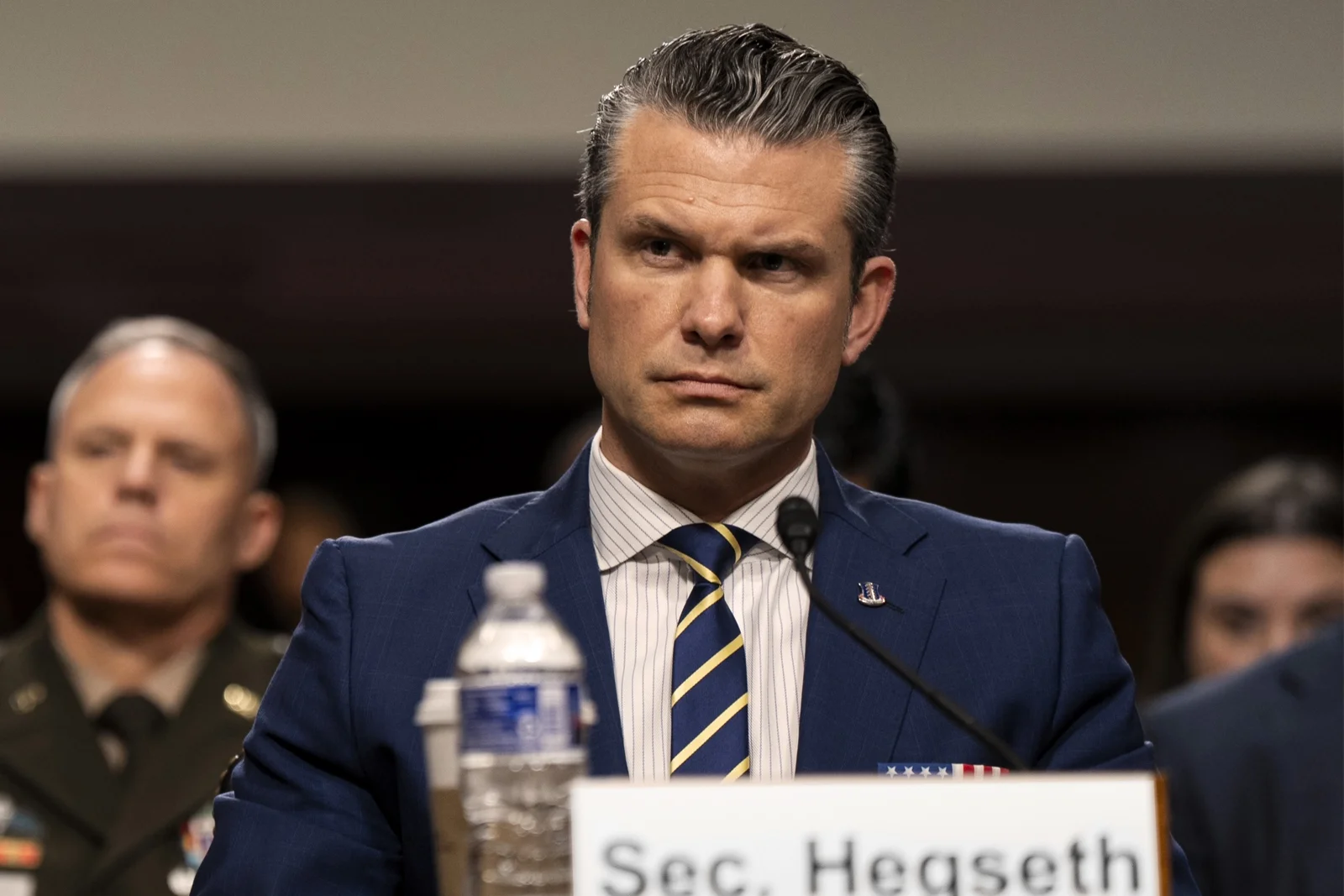
Pete Hegseth, the soap opera-style U.S. Secretary of Defense, sports a questionable sanity. His behaviour before generals is the stuff of low comedy. His mania about sending narco-traffickers making passage on the sea from Venezuela to a watery grave has a millenarian zeal. But psychological coarseness and imperfection have not prevented questions being asked about why he, allegedly, ordered to strike a vessel twice in order to ensure the death of all aboard it.
Some 21 known deadly strikes on such vessels, resulting in the deaths of 83 people, have been orchestrated since September 2, when President Donald Trump stated in a War Powers Resolution notification to Congress that such acts were “self-defense” measures motivated by “the inability or unwillingness of some states in the region to address the continuing threat to United States persons and interests emanating from their territories.” The following month, a presidential notice was issued categorising those killed in alleged drug smuggling as “unlawful combatants,” a dangerously novel interpretation authorising homicide on the high seas.
The September 2 “double-tap” strike was initially reported as involving an order from Hegseth to “kill everybody” on board an alleged Venezuelan drug boat. Two survivors from the initial attack, desperately clinging to the burning remnants of the vessel, were dispatched in the second strike.
A generally mute Congress was aroused into action. The campaign against alleged narcotics smugglers, typified by an absence of due process and having all the markings of summary execution, had come in for inspection. Senator Mark Kelly (D-AZ) of the Senate Armed Services Committee demanded an investigation. House Minority Leader Hakeem Jeffries (D-NY) believed that bipartisan investigations would be conducted “in both the House and the Senate in order to determine whether war crimes were committed, and either U.S. law or international law or both, were violated.”
Certain Republicans even went so far as to contemplate the possibility that a war crime had been committed. Rep. Michael R. Turner of Ohio and the Armed Services Committee, agreed that the killing of survivors would have “be an illegal act,” while Rep. Don Bacon could scarce believe that Hegseth would have been “foolish enough to make this decision to say, ‘kill everybody,’ ‘kill the survivors’ because that’s a clear violation of the law of war.” (Bacon has seemingly not seen Hegseth’s social media splashes.)
In a joint statement from Armed Services Committee Chairman Senator Roger Wicker (R-MS) and ranking member Jack Reed (D-RI), “vigorous oversight” over operations in the Caribbean was promised. “The Committee is aware of recent news reports – and the Department of Defense’s initial response – regarding alleged follow-on strikes on suspected narcotics vessels in the SOUTHCOM area of responsibility.” The Democrats on the same committee have requested that Hegseth and Attorney General Pam Bondi release the Office of Legal Counsel’s written opinion laying the legal basis for the strikes.
The White House proceeded to pour cold water on the suggestion that Hegseth had given the order. U.S. Special Operations Command chief Admiral Frank Bradley was outed as the figure who ordered the second strike. In doing so, he had, according to Press Secretary Karoline Leavitt, “worked well within his authority and the law, directing the engagement to ensure the boat was destroyed and the threat to the United States of America was eliminated.” More broadly, both Trump and Hegseth had “made it clear that presidentially designated narco-terrorist groups are subject to legal targeting in accordance with the laws of war.”
Given some exiting wriggle room, Hegseth heaped praise upon Admiral Bradley as “an American hero, a true professional, and has my 100% support. I stand by him and the combat decisions he has made – on the September 2 mission and all others since then.”
The dubious quality of these strikes has enlivened broader concern in the region. On September 15, a Colombian boat involved in fishing activities was struck, resulting in the death of Alejandro Carranza Medina. Its ruthlessness made Colombian President Gustavo Petro accuse the U.S. government of committing murder and violating sovereignty. A complaint has been submitted to the Inter-American Commission on Human Rights (IACHR) alleging that Hegseth “was responsible for ordering the bombing of boats like those of Alejandro Carranza Medina and the murder of all those on such boats.” These orders were given “despite the fact that they did not know the identity of those being targeted for these bombings and extra-judicial killings.”
The attacks on these vessels in the Caribbean Sea are just another aspect of the Trump reality show. This administration cherishes show before substance, seemingly hoping that the show distracts sufficiently for the substance to change. The withering report by the Pentagon’s inspector general claiming that Hegseth endangered U.S. personnel by sharing details of planned U.S. strikes on Houthi forces in Yemen via a conversation conducted on Signal does just that. Not only is Signal a commercially available messaging platform, but a journalist from The Atlantic, Jeffrey Goldberg, had been unwittingly added to the conversation.
The substance here is clearly not narcotics. Trump’s outrageous pardon of former Honduran leader Juan Orlando Hernández, serving a 45-year sentence in a West Virginia prison for paving “a cocaine superhighway” to the United States, gave the game away. Regime change in Venezuela, and the world’s largest known oil reserves, await. In the meantime, Hegseth continues to feed his bloodlust.