Culture
The Big Fails of the Suppression Profession
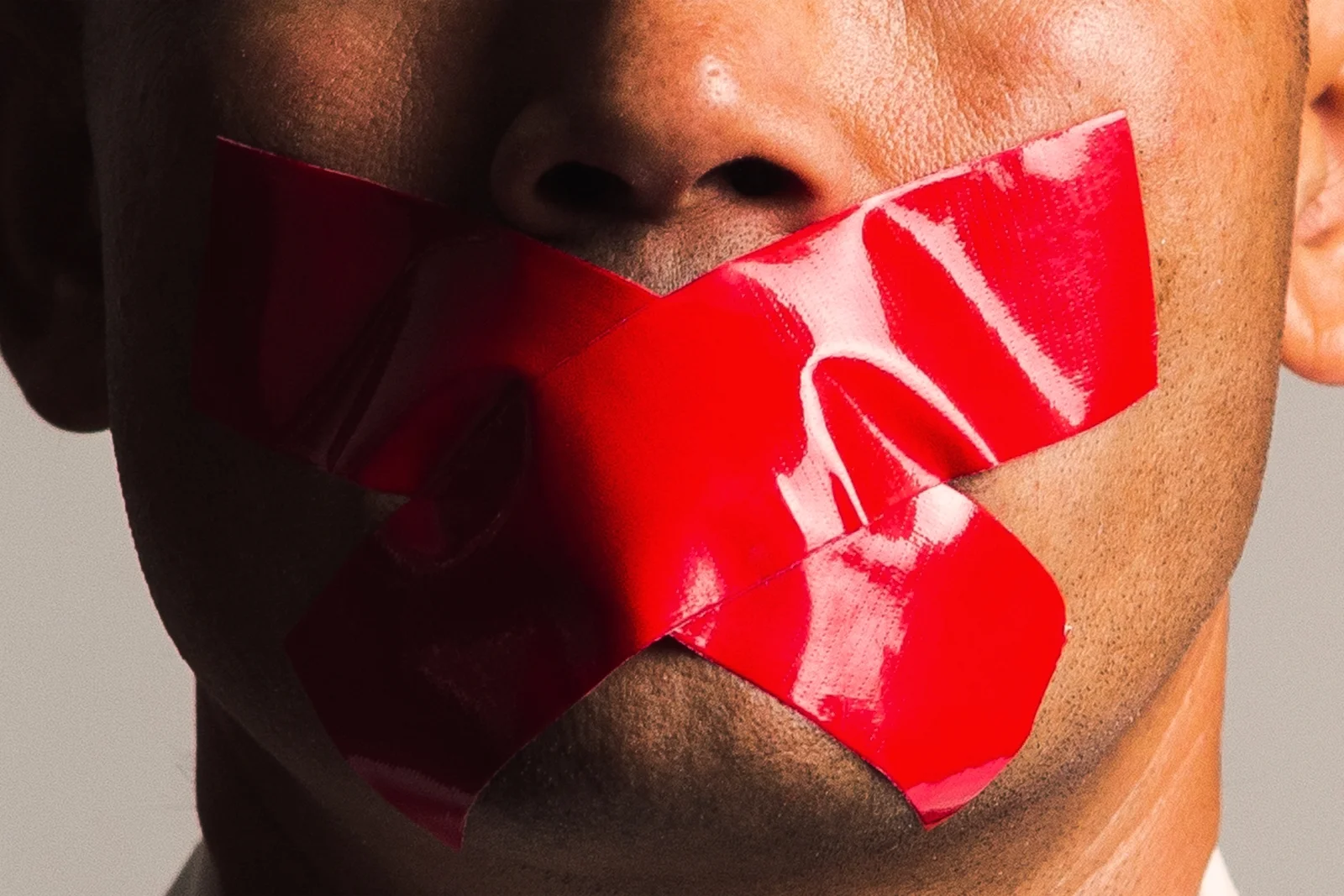
At first glance, the infamous McLibel burger case in London and the recently bungled de-platforming of author Randa Abdel-Fattah in Adelaide, Australia, appear to share little beyond geography and bad timing. One unfolded in a British courtroom in the 1990s; the other detonated inside an Australian literary festival in 2026. Yet at their core, both episodes illuminate the same phenomenon: the well-worn playbook of corpocratic bullying, and the surprisingly amateurish way it often misfires.
This article does not seek to score ideological points about junk food, genocide, or geopolitics. Instead, it examines the techniques of suppression itself—risk mitigation, narrative control, and reputational management—and how these tactics frequently collapse under the weight of their own arrogance.
For those unfamiliar with McLibel, the case began more than two decades ago when fast-food giant McDonald’s sued two impecunious British activists for libel after they distributed leaflets accusing the company of unethical practices. The lawsuit, intended to silence, did the opposite. It magnified the activists’ claims, globalized attention, and turned a marginal pamphlet into a cause célèbre. McDonald’s formidable legal apparatus—trained in cease-and-desist orthodoxy—failed to grasp a basic truth: winning in court does not guarantee victory in the court of public opinion.
Fast-forward to Adelaide Writers Week. The attempted sidelining of Abdel-Fattah, an academic and outspoken critic of Israel’s conduct in Gaza, triggered consequences no risk consultant could plausibly have recommended. More than 180 writers withdrew in solidarity. The festival’s board unraveled. The CEO resigned, then went public. The entire event was ultimately canceled. Abdel-Fattah, far from being silenced, emerged newly elevated—a fixture in national media and a “must-book” interviewee overnight.
In both cases, suppression achieved the precise opposite of its stated goal. Rather than muting dissent, it handed critics a megaphone. McLibel entered history as one of the greatest public-relations blunders ever litigated. And for Australians who had never encountered Abdel-Fattah before this controversy, her name is now indelible. More importantly, the effort to marginalize her has re-platformed her critique—not just of Israel, but of the suppression ecosystem itself: the media, lobbyists, donors, and politicians who quietly shape who is heard and who is erased. She has even floated the possibility of defamation proceedings against the South Australian premier. So much for muzzling the messenger.
This returns us neatly to McLibel territory and raises an uncomfortable question: how effective can the suppression professions really be in an era of citizen media, networked outrage, and technologically amplified people power?
To be fair, suppression has worked—often spectacularly. The My Lai massacre, the Pentagon Papers, the Panama Papers, and the UK Post Office IT scandal were all successfully buried for years through coordinated efforts by legal, corporate, and political actors operating behind closed doors. From my own experience as a PR adviser, I have seen how media organizations will sometimes discard truth and relevance in favor of sensationalism, so long as it sells papers or drives clicks. Those who pay suppression professionals are rarely irrational; their motive is almost always self-interest, usually financial or reputational.
What distinguishes the McLibel and Abdel-Fattah cases is how dramatically they accelerated dormant risks. In trying to control the narrative, suppressors instead expanded it, drawing scrutiny to every surrounding actor and exposing the clumsy mechanics of influence. In her searing account of the Adelaide debacle, former festival CEO Louise Adler described the episode as “a masterclass in poor governance,” detailing a web of political pressure, donor interference, and lobbyist involvement in determining who is permitted to speak in cultural forums.
For any journalist with a commitment to truth—and even a modicum of courage—these disclosures should have set off alarm bells. Adler scattered enough breadcrumbs to warrant serious investigation. Yet anyone attempting to publish such reporting can expect resistance: legal threats, quiet pressure, reputational smears. Still, in a fragmented and decentralized media environment, stories—or fragments of them—tend to surface somewhere, even if only within niche outlets.
At the root of suppression lies fear: fear of financial loss, reputational damage, or operational disruption. What suppressors dread most is the emergence of an uncontrolled narrative—one that gains traction, reshapes public understanding, and undermines entrenched interests. The response is a form of mass mind management: surveil, manipulate, propagandize, regulate. It is Orwell’s 1984 rendered procedural. Even bald-faced denial in the face of evidence becomes just another tool in the kit.
This logic has given rise to an entire wing of the risk-management industry devoted to “narrative intervention.” The objective is simple: control who speaks, where they speak, and how widely their words travel. Silence the speaker, dismantle the platform, vilify the voice—and narrative risk, they hope, disappears with it.
But if the problem is widely visible, the solution remains elusive.
Absolute freedom for every anti-corporate or anti-state activist carries obvious dangers. Yet the greater concern may be whether the systems that regulate speech and activism can even be examined without provoking deeper polarization. Are we prepared to scrutinize the forces that decide who gets to speak, and where? Who funds and maintains the information architecture of society? Where does legitimate risk mitigation end and suffocating censorship begin? And what guardrails might prevent a slide into normalized intolerance?
If nothing changes, nothing changes. Suppression will continue to provoke escalation, backlash, and rebellion. Adler has warned that Adelaide Writers Week was “the canary in the coalmine,” cautioning those in the arts that similar forces are already mobilizing elsewhere. The warning feels uncomfortably prescient.
Until these systemic flaws are confronted, we are left with the darkly comic ironies of McLibel and the Abdel-Fattah affair—episodes that reveal not the omnipotence of suppression, but its limits, its hubris, and its recurring talent for self-sabotage in societies that still like to call themselves democratic.