
Trump’s Iran War is Poisoning America’s Alliances
The war with Iran entered its seventh month with another round of U.S. strikes on Iranian targets. Its effects, however, are reaching far beyond the Middle East. In East Asia, Washington’s treatment of South Korea offers a revealing example of how the conflict is changing the Trump administration’s management of alliances. The question is not simply whether Seoul supports U.S. policy toward Iran. Security cooperation, economic disputes, and political alignment are increasingly being treated as parts of the same negotiation.
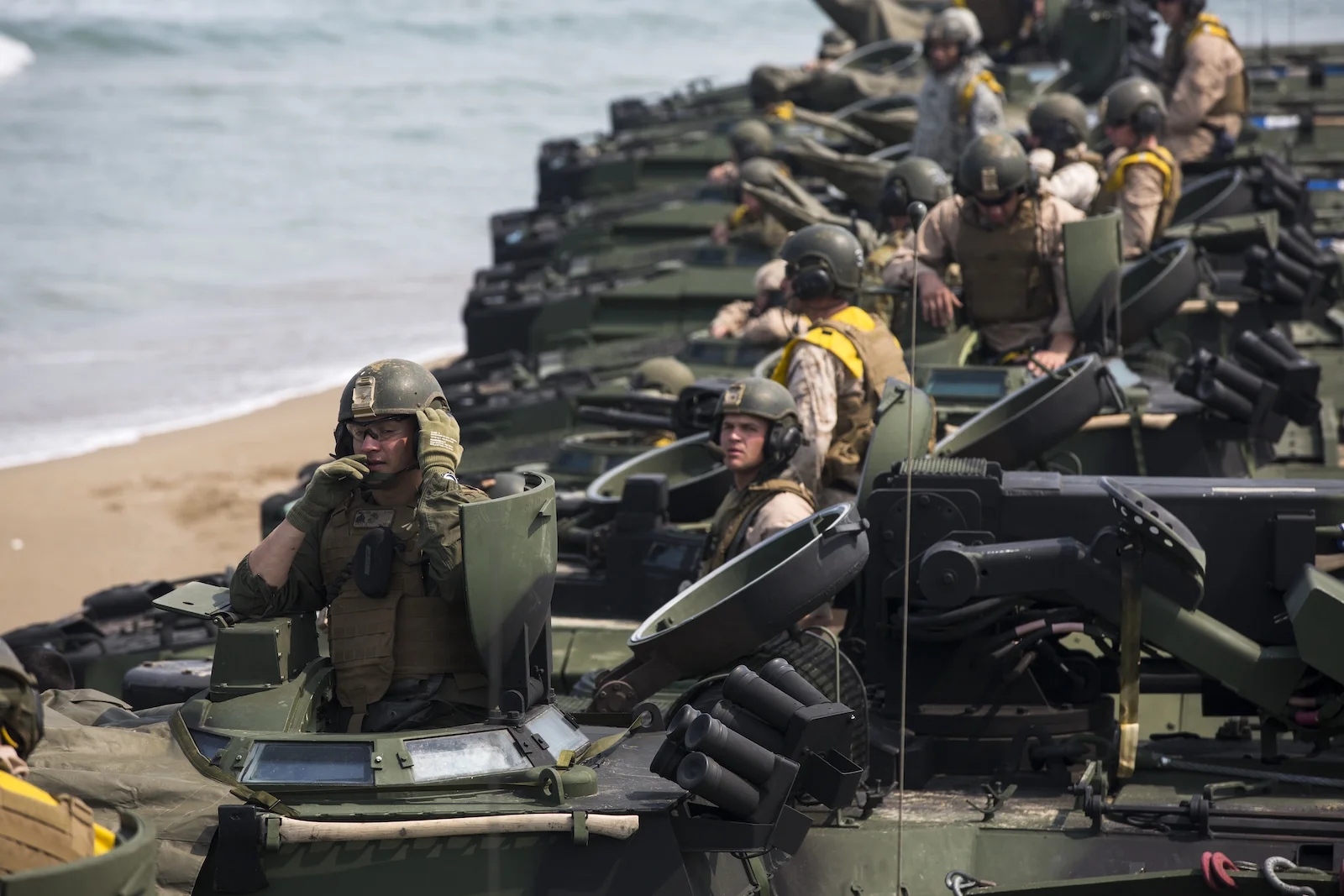
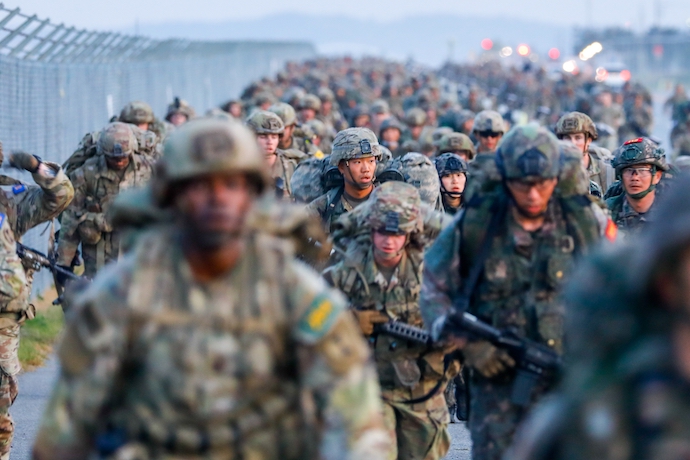
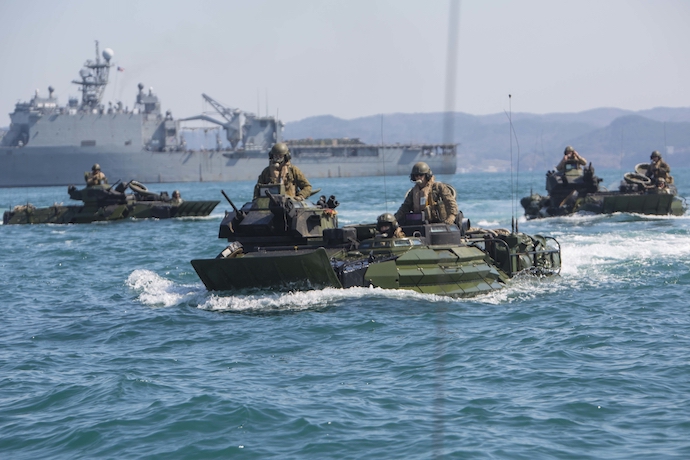
That became unusually clear in August, when President Donald Trump ordered the Pentagon to scale back joint military exercises with South Korea. He cited both the cost of the drills and Seoul’s refusal to join U.S. efforts against Iran. South Korean officials later said the move appeared intended to pressure Seoul not only over Iran, but also over unresolved economic issues, including a $350 billion investment pledge in the United States. A military exercise on the Korean Peninsula had suddenly become entangled with a Middle Eastern war and a vast investment commitment.
This does not mean Washington is abandoning the alliance. The United States, South Korea, and Japan are still scheduled to hold the Freedom Edge exercise from September 9 to 11, focused on readiness against North Korea’s missile and nuclear threats. The contrast is the more important point. Washington is not simply retreating from its Asian commitments. It is recalibrating them selectively, making the level and form of cooperation increasingly responsive to what allies contribute elsewhere in the relationship.
The U.S.–South Korea alliance has traditionally rested on a relatively clear bargain. Washington provides extended deterrence and maintains a substantial military presence; Seoul contributes to regional defense, hosts U.S. forces, and works closely with the United States to counter North Korea. Trump has long viewed alliances in transactional terms, but the Iran war is expanding that approach. An ally’s position on one crisis can now shape how Washington handles security cooperation, trade, or investment in another.
From the White House’s perspective, the logic is understandable. The United States is sustaining an expensive conflict in the Middle East while trying to deter North Korea and compete with China. It therefore has an incentive to reduce its own costs, ask allies to shoulder more of the burden, and exploit whatever leverage is available. The pressure created by the Iran war has made those trade-offs harder to disguise. Beyond Korea, Trump has spoken openly about the strain the conflict is placing on U.S. munitions and the need for allies to pay more for American support.
For Seoul, however, the calculation looks different. South Korea depends heavily on maritime trade, imported energy, and global economic stability, so it has a clear stake in what happens in the Middle East. But that does not mean it wants its security relationship with Washington made contingent on support for every U.S. military campaign. If exercises, troop posture, or other visible elements of deterrence can be adjusted whenever disputes arise over trade, investment, or a distant war, the alliance begins to look less like a durable guarantee and more like a relationship that is constantly being repriced.
That creates a strategic risk for Washington. The more the United States uses security cooperation as leverage, the more reason its allies have to question how much they can rely on it. In South Korea, that could strengthen arguments for greater strategic autonomy or more independent defense capabilities. Such debates are hardly new, but a more overtly transactional alliance would give them fresh urgency.
The timing is especially sensitive because the military relationship is also bound up with diplomacy toward Pyongyang. Trump has said he wants another meeting with Kim Jong-Un, and reducing exercises can be cast as a signal of flexibility. Seoul, meanwhile, has backed renewed U.S.–North Korea dialogue while insisting that its own security interests not be sidelined. The same decision on military exercises can therefore serve several purposes at once: lowering costs, signaling openness to North Korea, and increasing pressure on South Korea over Iran and investment.
That is precisely what makes this episode significant beyond the Korean Peninsula. The Trump administration is increasingly treating alliances as networks of reciprocal leverage rather than discrete security arrangements. Trade commitments, defense spending, political support, and cooperation in unrelated crises can all affect the terms of the relationship. In the short term, that approach can strengthen Washington’s bargaining position and push allies to contribute more.
The longer-term danger is that allies begin to hedge against the unpredictability of the bargain itself. America’s alliance network has always involved burden-sharing and negotiation; no security commitment is truly unconditional. But there is a difference between asking an ally to do more in pursuit of a common strategy and signaling that core security arrangements can be adjusted to extract concessions elsewhere.
The Iran war is therefore testing more than U.S. military capacity in the Middle East. It is testing whether Washington can use its alliance network to manage several crises at once without eroding the confidence on which that network depends. South Korea illustrates both sides of the strategy. Selective pressure may give Trump more room to bargain. But if allies come to view U.S. security guarantees as instruments for settling unrelated disputes, the network built to extend American power may instead encourage them to find more room to act without it.