Health

Puerto Rico’s Pharma Gets a Boost from Washington
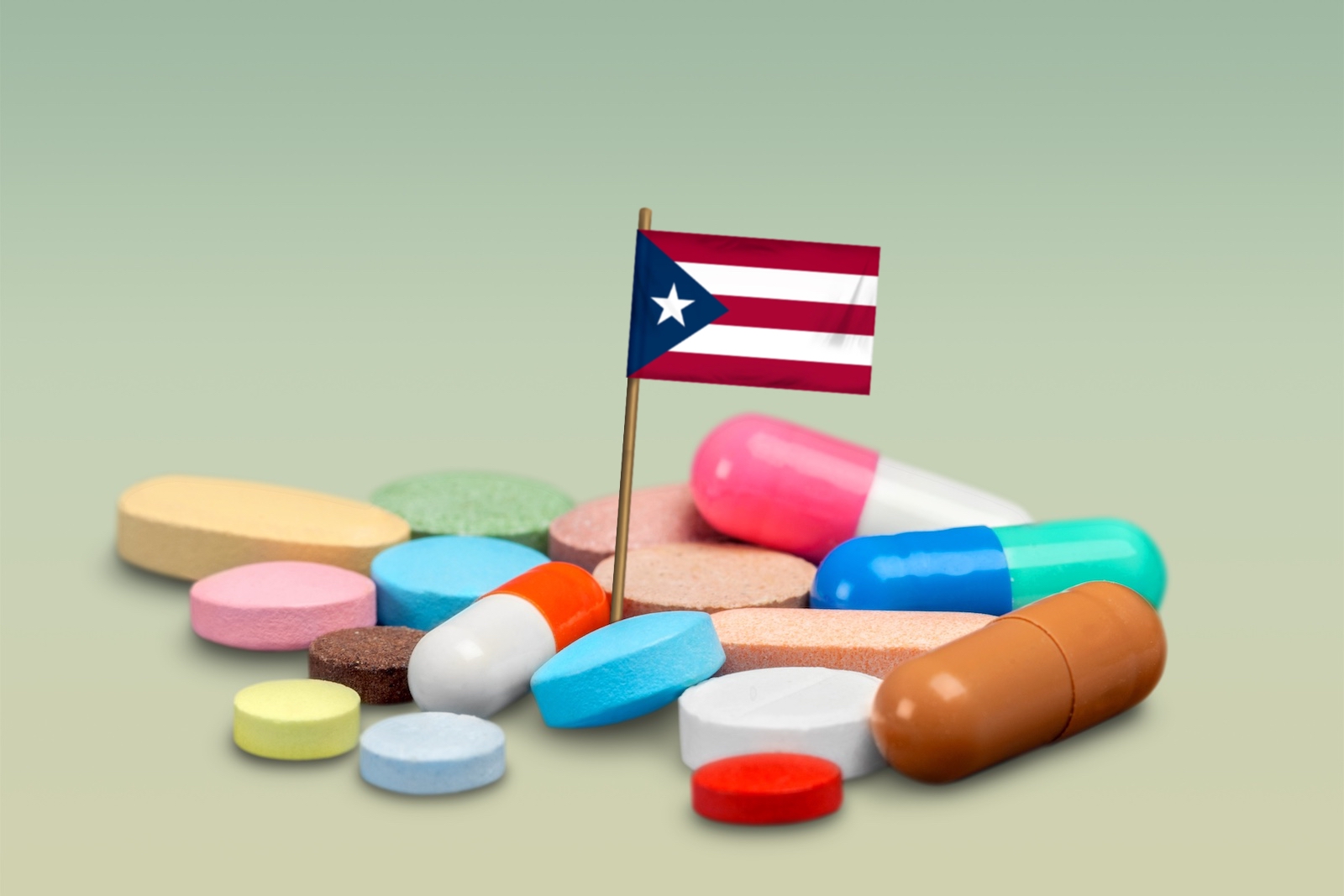
Half a century ago, Congress established Section 936 of the U.S. tax code, allowing American corporations to earn profits in Puerto Rico while paying little federal income tax on qualifying operations. Pharmaceutical manufacturers were among the companies drawn to the territory, helping establish an industry that became central to its economy.
That arrangement began to unravel when Congress repealed Section 936 in 1996, with a 10-year phaseout. Manufacturers subsequently shifted some operations to lower-cost destinations, including Ireland, Mexico, China, and India. The loss of pharmaceutical jobs contributed to Puerto Rico’s prolonged economic difficulties, although the extent of those losses cannot be attributed to the repeal alone.
The industry nevertheless retained a substantial presence. According to Puerto Rico’s Department of Economic Development and Commerce, pharmaceutical manufacturing accounts for approximately 30 percent of the territory’s gross domestic product. In fiscal 2024, its 60 pharmaceutical manufacturing establishments employed about 13,200 people, while pharmaceutical exports reached $48.3 billion. That export figure, importantly, is not the industry’s contribution to GDP.
President Donald Trump’s drive to expand domestic manufacturing has renewed attention to Puerto Rico, where products made on the island are manufactured within U.S. jurisdiction. Governor Jenniffer González-Colón has sought to position the territory as a center for advanced manufacturing, innovation, and supply-chain security.
Through Executive Order OE-2025-012, her administration has promoted the message that products made in Puerto Rico are made in the United States. The pitch combines the island’s location, tax incentives, established industrial infrastructure, and skilled workforce. Long before the latest push, Puerto Rico was already home to major pharmaceutical producers and medical-device manufacturers.
Recent investment announcements suggest that the island remains attractive to some of the industry’s largest companies. In September 2025, Amgen announced a $650 million expansion of its biologics manufacturing operations in Juncos, expected to support nearly 750 construction and manufacturing jobs. In May, the company announced a further $300 million investment, bringing the two commitments to $950 million.
Eli Lilly followed in October 2025 with plans to invest more than $1.2 billion in its Lilly del Caribe facility in Carolina. The expansion is intended to increase production capacity for oral medicines, including orforglipron, a GLP-1 treatment. Lilly projected up to 1,000 construction jobs and 100 additional manufacturing positions and outlined educational support for local students.
Manufacturing in Puerto Rico, however, involves more than federal oversight. Companies must meet Food and Drug Administration requirements alongside applicable Puerto Rican health, licensing, business, and tax regulations. In June 2025, the territory removed a separate Special Authorization requirement for nonresident pharmaceutical manufacturers and wholesale distributors, reducing a regulatory hurdle for businesses shipping products into the market.
A more recent corporate transaction illustrates how companies hope to combine manufacturing ambitions with existing distribution networks. In September 2026, Vicapsys Life Sciences announced the completion of its reverse merger with Stateline Distributors of Puerto Rico. Stateline became a wholly owned subsidiary of Vicapsys, creating a business that seeks to connect pharmaceutical distribution, federal contracting opportunities, and eventually branded-drug manufacturing.
The company also announced a definitive agreement to acquire NitroMist, an FDA-approved nitroglycerin aerosol used to relieve or prevent angina associated with coronary artery disease. The acquisition and planned relaunch should not be confused with an already completed manufacturing operation. NitroMist is an established medicine, but, like other nitroglycerin treatments, it carries risks and contraindications, including potentially serious drops in blood pressure.
Stateline operates what it describes as a 50-state title model, taking ownership of products while relying on third-party logistics provider Drugzone for fulfillment. The approach is designed to extend distribution without requiring Stateline to establish its own warehouse network across the country. The company says it serves customers in Puerto Rico and targets rural and tribal healthcare providers, as well as federal markets involving the Department of Veterans Affairs and Department of Defense.
Vicapsys has separately pursued research into encapsulated cell-based approaches to treating type 1 diabetes. That work remains developmental; it should not be presented as a proven treatment capable of producing insulin in patients without immunosuppression. The merger offers a potential commercial distribution platform, but its broader manufacturing ambitions still depend on execution and regulatory requirements.
Armando Rubio, chairman and chief executive of the combined business, said in an interview that he had long sought an opportunity to integrate distribution with pharmaceutical production. He described the goal as improving access to affordable U.S.-made medicines for rural and tribal customers, while taking advantage of Puerto Rico’s manufacturing base.
The combined company plans to maintain its headquarters in Miami while exploring production opportunities in Puerto Rico. Supporters point to the island’s incentives and business-friendly policies, although transportation costs and the practical challenges of building or acquiring manufacturing capacity remain. For Puerto Rico, the opportunity is significant; whether the latest wave of corporate commitments produces a lasting industrial revival will depend on how much of the promised investment becomes sustained production and employment.