
Can Israel Abandon its Doctrine of Force?
If the current ceasefire hardens into something more durable—an arrangement quietly underwritten by a rare moment of U.S.–Iran convergence and nudged along by Pakistan’s persistent diplomacy—the Middle East may, at last, edge back from the brink. Islamabad’s parallel engagements in Tehran, Riyadh, and Ankara have helped reopen diplomatic channels that, not long ago, seemed permanently sealed. Yet even if these efforts hold, a more difficult and less comfortable question lingers beneath the surface: can Israel, long defined by military primacy, adjust to a regional order in which diplomacy, rather than force, sets the terms?
There are, at least, early hints of movement. Signals tied to Donald Trump suggest that Israeli and Lebanese leadership could be steered—however cautiously—toward negotiations after years of entrenched hostility. Should such talks materialize, they would reflect not only American pressure but also a broader regional push, one in which countries like Pakistan have sought to privilege dialogue over confrontation. In a post-agreement environment where Iran and the United States find even limited common ground, Israel’s long-standing rationale for pre-emptive strikes may begin to erode, at least in diplomatic terms.
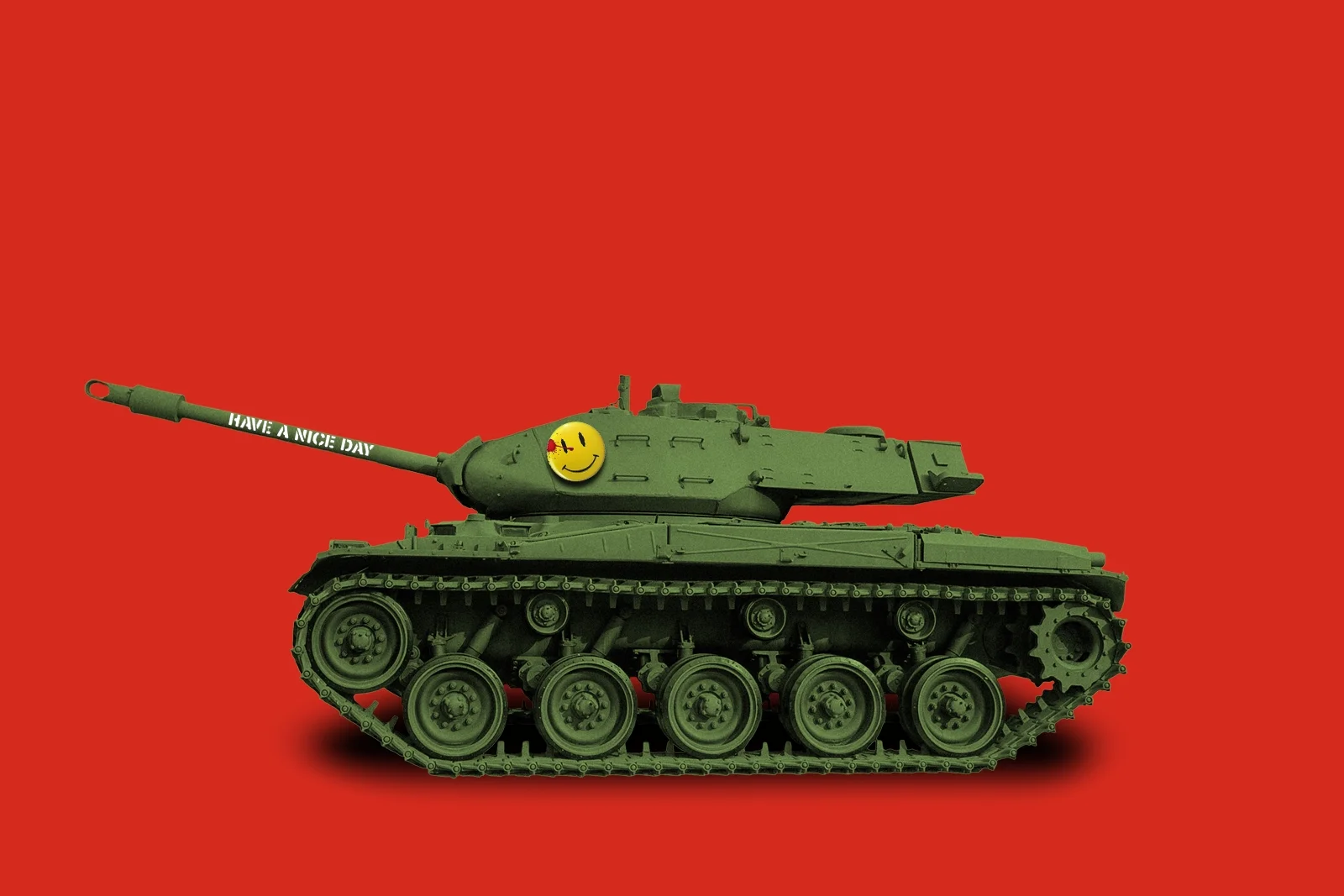
Still, to expect a wholesale transformation in Israeli behavior would be to overlook decades of strategic continuity. Israel’s doctrine has been anchored in deterrence through dominance, a principle repeatedly demonstrated in Gaza, Lebanon, and beyond. Even during periods of ceasefire, operational readiness has remained high; at times, limited strikes have continued, less as escalation than as reinforcement of deterrence. This is not simply a matter of policy. It is an institutional reflex, deeply embedded and historically reinforced. No single agreement, however consequential, is likely to dislodge it overnight.
Domestic politics only sharpen the constraint. Israeli governments are often sustained by fragile coalitions in which hardline positions carry disproportionate weight. Any leadership perceived as conceding too much—particularly under external pressure—risks swift political backlash. The result is a familiar pattern: engagement at the negotiating table paired with hedging on the ground. What emerges is not so much a strategic pivot as a carefully managed de-escalation, calibrated to preserve both security and political survival.
At the regional level, the ripple effects of a U.S.–Iran understanding could generate new lines of tension even as they dampen old ones. Turkey has already positioned itself as a vocal critic of Israeli actions, with Foreign Minister Hakan Fidan arguing that Israel “cannot survive without an enemy.” If Iran recedes, even partially, as the central adversary, Israel may shift its focus elsewhere, recalibrating its strategic posture in ways that heighten friction with Ankara. Peace, in this sense, does not dissolve rivalry; it redistributes it.
Pakistan’s role in this emerging landscape is no less intricate. Though it has never directly confronted Israel, the relationship has long been shaped by mutual suspicion, rooted in ideological divergence and competing alignments. Should Pakistan’s mediation efforts succeed—and in doing so elevate its diplomatic standing—Israel may regard Islamabad with a measure of increased caution. Yet translating that caution into overt hostility would serve little purpose. Pakistan does not constitute an immediate security threat, and opening a new front, diplomatic or otherwise, would risk undermining the fragile stability that a ceasefire is meant to secure.
More likely, Israel will continue along a dual track: outwardly participating in diplomatic frameworks while quietly preserving its doctrine of military superiority. Such an approach allows it to meet international expectations without relinquishing the strategic posture it has long considered essential. The overt hostility may recede, but the underlying mindset—shaped by decades of conflict—will likely endure, if only in more subdued and less visible forms.
The real challenge, then, lies not in reaching a ceasefire but in sustaining its logic. That will require external actors, particularly the United States, to reconsider the terms of their engagement. Unconditional support risks reinforcing entrenched behaviors; a more conditional approach, tied to measurable de-escalation, might instead encourage gradual change. Regional players such as Turkey and Pakistan, for their part, will need to maintain diplomatic pressure while offering credible pathways away from conflict.
If Pakistan’s efforts ultimately bear fruit, they will represent a notable diplomatic achievement—one that will not go unnoticed on the global stage. But the durability of that achievement will depend on what follows. Whether Israel treats this moment as an opportunity for recalibration or merely as an interlude will determine whether the region is entering a new phase of stability or simply pausing before the next cycle of confrontation.