
Don’t Bury This Headline: Trump’s Counterterrorism Chief Resigns, Says Iran Posed ‘No Imminent Threat’
The most important story in Washington right now is in danger of being treated as a footnote.
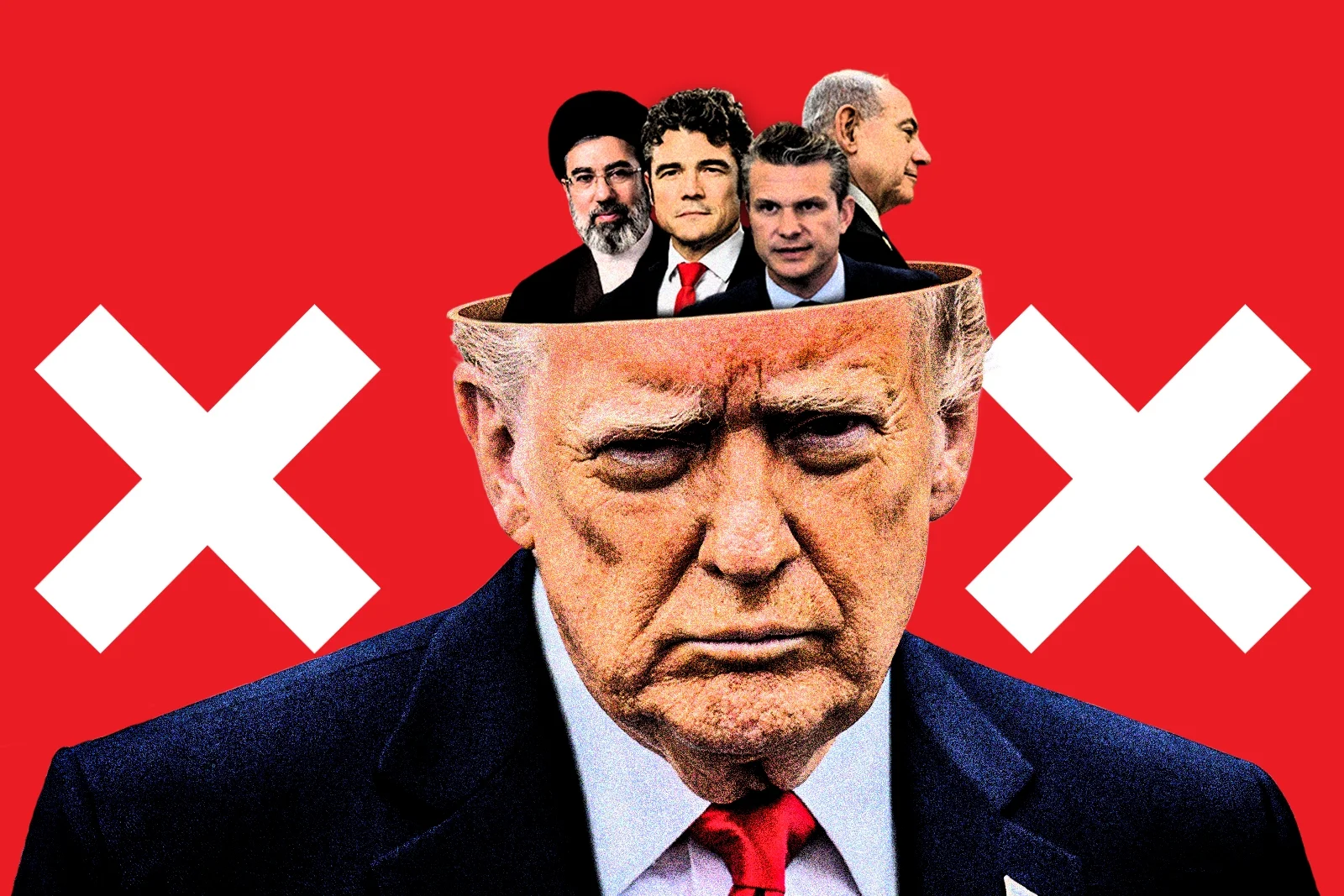
Joe Kent, Director of the National Counterterrorism Center under President Donald Trump, has resigned—and in doing so, delivered a stark indictment of the administration’s rationale for war with Iran. In his resignation letter, Kent wrote plainly: “I cannot in good conscience support the ongoing war in Iran. Iran posed no imminent threat to our nation, and it is clear that we started this war due to pressure from Israel and its powerful American lobby.”
That sentence alone should dominate headlines.
Kent was not a marginal figure or a routine dissenter. He was a committed supporter of Trump’s “America First” agenda, nominated in February 2025 and praised by the president as a decorated Green Beret, CIA officer, and relentless counterterrorism professional. Trump himself emphasized Kent’s personal sacrifice—his wife, Shannon, killed in action against ISIS—as a testament to his credibility and resolve.
Which is precisely why his resignation matters.
For someone so closely aligned with Trump to break ranks publicly—and on grounds this explicit—suggests not a minor policy disagreement, but a fundamental rupture. Kent is not merely questioning strategy. He is challenging the very premise of the war.
Tucker Carlson: “Was Iran on the verge of getting a nuclear weapon?”
Joe Kent: “No, they weren’t. Not in June either. The Iranians have had a religious ruling, a fatwa, against developing a nuclear weapon since 2004. That’s public knowledge, and we had no intelligence suggesting… pic.twitter.com/2phfaatDRe
— Open Source Intel (@Osint613) March 19, 2026
The parallels he draws are not subtle. Kent compares the current justification for conflict with Iran to the misinformation campaign that preceded the Iraq War. That earlier conflict, launched on faulty intelligence about weapons of mass destruction, cost thousands of American lives and left an enduring scar on U.S. credibility.
The echoes are difficult to ignore.
In 2004, former chief UN weapons inspector David Kay admitted, “We were all wrong” about Iraq’s WMDs. Colin Powell, who made the case for war before the United Nations, later called his role “a painful part of my record.” These were not fringe voices; they were central architects of the policy who, in time, acknowledged its failures.
Kent’s warning arrives earlier—before the full costs of war have been paid.
His resignation also marks the most significant defection from the administration since the launch of Operation Epic Fury on February 28. And his reasoning is deeply personal as well as strategic. Having lost his wife in combat, Kent writes that he cannot support sending another generation to fight and die in a war that “serves no benefit to the American people nor justifies the cost of American lives.”
This is not abstract policy critique. It is lived experience translated into moral opposition.
The White House response has only sharpened the sense of disarray. Trump dismissed Kent after the fact, claiming, “I always thought he was weak on security,” and reportedly welcomed his departure as “a good thing.” The reversal is striking: a man once held up as a model of strength and sacrifice is now recast as a liability.
Such rhetoric points to a deeper fracture between political leadership and the intelligence professionals tasked with informing it. When a president publicly undermines a senior official he personally selected—and does so in the midst of an unfolding conflict—it raises serious questions about the coherence of decision-making at the highest levels.
More troubling still is the implication that intelligence assessments may be sidelined when they contradict policy goals.
Kent’s departure underscores a familiar and dangerous pattern. When leaders discount or override their own experts, particularly on matters of war, the consequences tend to be measured in lives lost rather than political points scored. The Iraq precedent is not simply historical—it is cautionary.
And yet, despite the gravity of this moment, the story risks being buried beneath the churn of daily headlines.
It should not be.
This is the top counterterrorism official in the United States resigning in protest of a war he believes is based on false premises. It is a decorated veteran, a loyal appointee, and a firsthand witness to the costs of conflict, declaring that this war is neither necessary nor justified.
If that does not merit sustained national attention, it is difficult to imagine what would.
The responsibility now falls not only on policymakers, but on the media. Television networks and major print outlets should treat Kent’s statement as the lead story it is—worthy of in-depth coverage, sustained scrutiny, and serious public debate.
Because if history has taught anything, it is that the warnings we ignore at the outset of a war are often the ones we regret most.