
Eat Well: What a Chinese Restaurant in a War Zone Tells Us About Peace
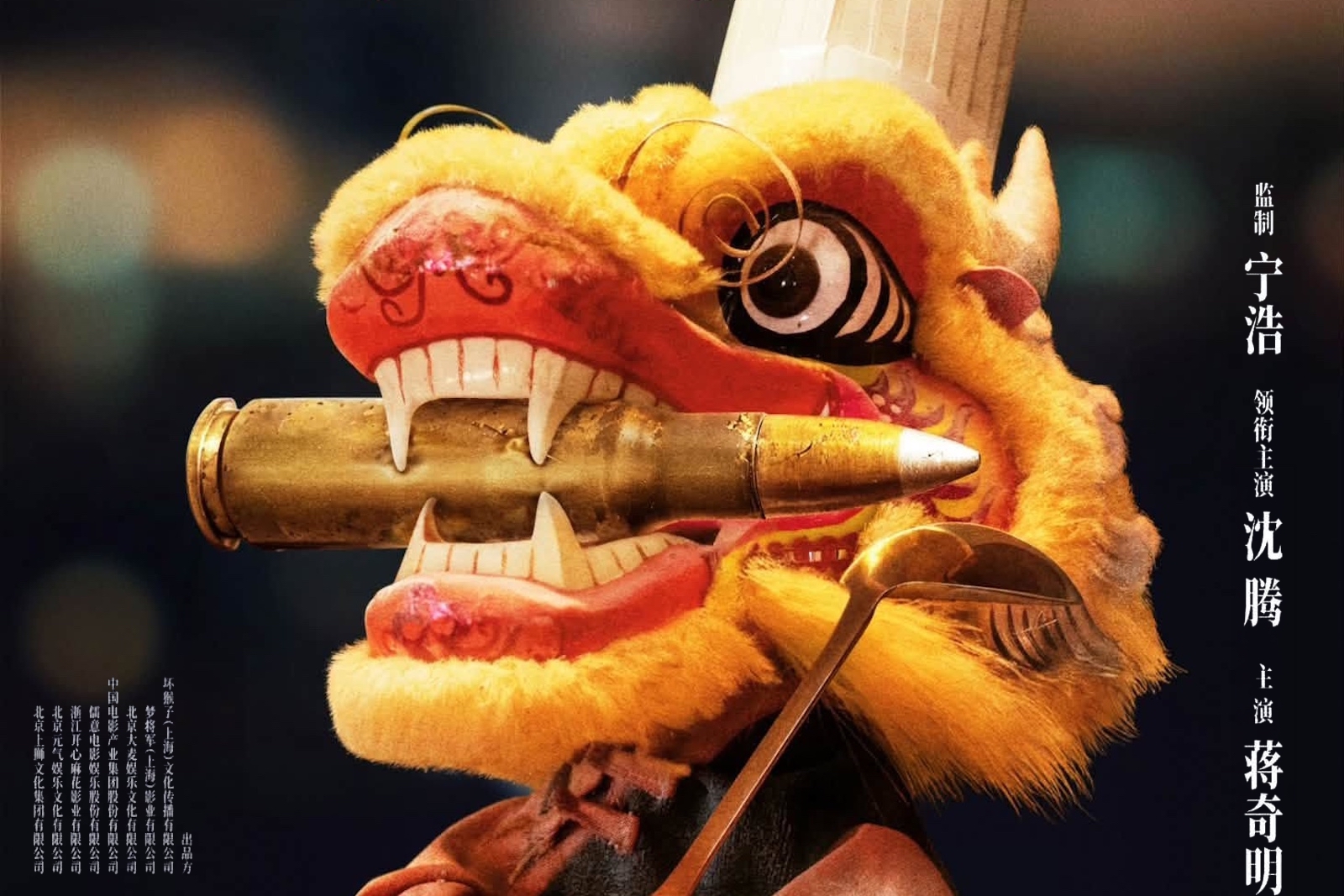
Last weekend, I went to the cinema with my mother to see Once Upon a Time in the Middle East. Set in an unnamed conflict zone, the film follows Xu Fu, an ordinary Chinese cook who uses food to carve out a small refuge of humanity amid the violence.
As the lights dimmed, the streets of a Middle Eastern country appeared on the screen: dusty markets, weathered walls, and the red sign of a Chinese restaurant. I did not expect to begin crying during the opening scene, as Xu Fu prepared an elaborate meal before leaving home. Yet the tears came, and they never quite stopped. When the credits rolled, I looked around and saw other members of the audience quietly wiping their eyes.
The film sends viewers into the night both grieving and thinking. It touches one of war’s most painful truths while drawing on one of the most enduring instincts in Chinese culture.
“Eat well” may be the film’s most frequently repeated line. It is also its most resonant cultural symbol.
In China, one of the most ordinary greetings is a question: “Have you eaten?” An ancient saying holds that “food is the first necessity of the people.” In Chinese civilization, eating is not merely the satisfaction of a biological need. It is a measure of peace and perhaps the most tangible expression of what it means to live an ordinary life.
This is where Once Upon a Time in the Middle East is most powerful. It uses food to cut through the familiar narratives of war. In peacetime, a hearty stew or a bowl of egg fried rice may be little more than the background music of daily life. In a war zone, the chance to sit down and eat a hot meal in peace becomes an act of stubborn resistance to chaos.
That expression of values through food is a distinctly Chinese cultural language. Western war films often place heroic individualism or moral redemption at the center of the story. This film offers a different perspective: A Chinese cook turns his wok and stove into the foundations of neutral ground, a place where people from opposing sides can share a brief peace over a meal.
The restaurant embodies an everyday wisdom and some of the most precious qualities in Chinese culture: reverence for human life, a determination to preserve the rhythms of ordinary existence, and an instinctive compassion for others.
What moved me most, however, was the film’s attention to the fate of children.
As a former foreign correspondent, I have reported from war zones in Syria and Ukraine. I have seen children living in tents in Syrian refugee camps and others sheltering in underground bunkers in eastern Ukrainian villages because they had nowhere else to go. Today, with tensions still simmering in Iran and the smoke over Gaza yet to clear, the film’s fictional world inevitably overlaps with the images in the news. What I found hardest to bear were the children’s eyes and smiles—their innocence set against the destruction surrounding them.
When extremists in the film turn children into human bombs, and Xu Fu risks his life to save them, sobs ripple through the theater. It is the most instinctive form of grief war can provoke.
Chinese civilization has long attached profound importance to the younger generation. Mao Zedong famously described young people as “the sun at eight or nine in the morning.” Chinese leaders still speak of the young as the country’s future and the nation’s hope. Beneath such rhetoric lies a deeper sense of responsibility: In the Chinese moral imagination, the belief that children must be kept safe approaches an instinctive command.
Xu Fu’s compassion gradually settles on Saif, an orphan who has lost his home to war. He teaches the boy to chop vegetables. He saves food for him. Eventually, he risks his own life to prevent Saif and 23 other war orphans from being sent to the battlefield.
He is protecting more than a group of individual lives. He is protecting the future itself—and that future belongs not to any one nationality or ethnic group, but to humanity as a whole.
Seen in this light, the emergence and growing popularity of Once Upon a Time in the Middle East matter beyond the film itself. Chinese cinema has been quietly transforming how it tells stories about the wider world. The Wandering Earth moved Chinese science fiction beyond a purely domestic crisis. Its vision of taking the Earth on a journey enlarged an Eastern conception of home to a planetary scale, asking what it might mean for humanity to confront an existential danger together.
Once Upon a Time in the Middle East brings that international perspective into the realm of contemporary realism. Its Chinese characters are neither people waiting to be rescued nor passive witnesses to catastrophe. They respond to an international humanitarian crisis in practical, constructive ways. A cook uses food to bridge cultures, giving simple human form to the grand idea of a community with a shared future.
Crucially, these characters are not spotless moral paragons. They experience fear, selfishness, and hesitation. Sometimes they want to run away. That is precisely what makes them credible. By stripping away the aura of perfection, the film allows international audiences to see its Chinese characters as people rather than symbols.
Xu Fu’s kindness is not presented as innate heroism. It grows gradually from the habits of ordinary life: preparing a meal, feeding a child, keeping a door open. This ordinary heroism may be one of the most natural forms of Chinese cultural soft power. It does not lecture the audience. It simply shows what can happen when an unremarkable person chooses compassion under extraordinary pressure.
When I left the theater, the food stalls along the street were bustling, sending clouds of steam into the night air. The sight made me happy. In a world disfigured by conflict and uncertainty, “eat well” may be the humblest—and most solemn—prayer for peace.