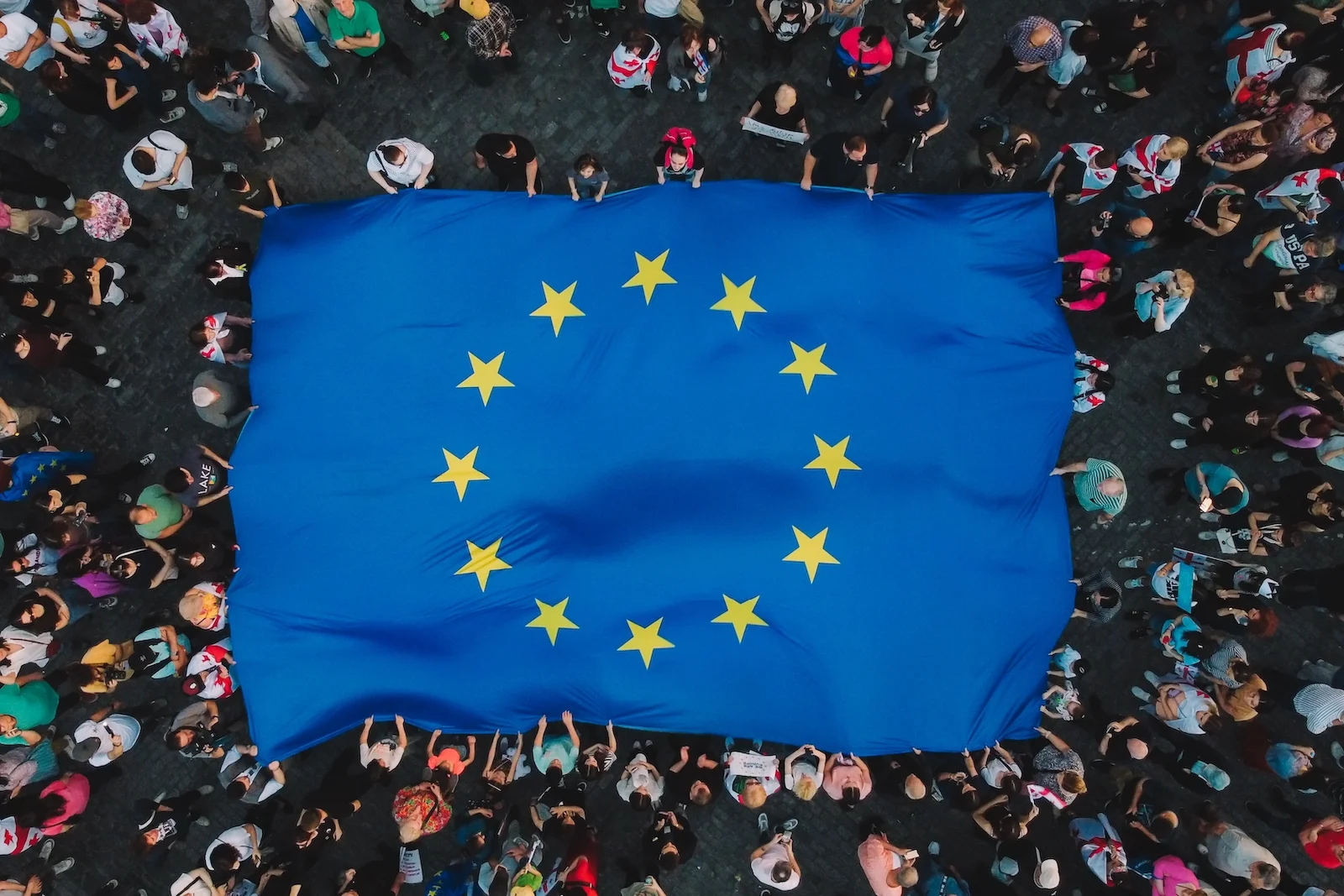

Europe Should Stop Talking Itself Down
For years, a sense of “Euro-gloom” has hung over the continent. It is encouraging that political and business leaders are confronting Europe’s shared challenges with new urgency, but there is an unintended consequence: in acknowledging every weakness, they are also diminishing confidence in the European project itself.
Perception matters. Public morale and political confidence can shape history as profoundly as economic statistics or military strength. Brussels’ efforts to deepen the single market, strengthen competitiveness, and close the digital gap therefore need to be matched by something less tangible but equally important: a more confident narrative about Europe’s future.
Europe has undoubtedly endured a difficult decade. Yet hardship need not condemn the continent to a diminished role in world affairs. Indeed, President Donald Trump’s erosion of America’s international standing has created an unexpected strategic opening for the European Union.
The EU now has an opportunity to build on its longstanding reputation as a champion of international rules, standards, and multilateral cooperation. As the global order becomes increasingly unsettled, Europe is well positioned to help shape whatever comes next.
Calls for reform are already growing. China has long argued that the institutions established in the aftermath of the Bretton Woods conference no longer reflect today’s balance of global power. Many developing nations—particularly those whose populations and economies are expanding rapidly—share the view that institutions such as the IMF, World Bank, WTO, and even parts of the United Nations system continue to favour Western interests.
Those concerns have only deepened as Washington retreats from commitments that once underpinned international stability. Confidence is ebbing not only in America’s security guarantees but increasingly in the dollar’s role as the cornerstone of the global financial system.
No one can predict when these frustrations will coalesce into serious negotiations over a new international framework. The current landscape of wars, geopolitical rivalry, and economic friction—much of it intensified by Trump’s policies—must first give way to calmer conditions. Europe should spend that time preparing for the moment when genuine reform becomes possible.
Before presenting ideas for a fairer international order, however, the European Union must first project greater confidence in its own achievements and resilience.
If Brussels hopes to persuade a diverse coalition of advanced and developing economies to embrace a new global settlement, it must restore some of the prestige it enjoyed during the final decades of the twentieth century. The remarkable achievement of transforming former enemies into a prosperous political and economic union remains one of modern history’s greatest diplomatic successes.
Yet the EU has never excelled at explaining itself. The European Commission has traditionally approached communications by highlighting the technical successes of individual policy initiatives. While those achievements matter, they often fail to communicate the broader purpose of European integration or effectively rebut the familiar accusation that Brussels is little more than an unelected bureaucracy.
Europe needs an information strategy that tells the larger story. Europeans should be reminded that many of the continent’s structural challenges are being addressed, even if progress is gradual. At the same time, international audiences need convincing that the European Union remains one of the world’s indispensable political and economic actors.
The case is stronger than many assume. Foreign investment in Europe is rising. European equity markets have increasingly outperformed their counterparts elsewhere. Scientific breakthroughs emerging from European research institutions could help close longstanding technological gaps. The euro is steadily strengthening its reputation as a safe-haven currency. And Europe’s leadership in humanitarian assistance and international development remains unmatched.
What, then, should Brussels do?
The European Commission is already stretched by an extraordinary list of pressing priorities, making major new initiatives difficult. Even so, it could establish two focused task forces: one dedicated to developing a more imaginative and effective communications strategy, and another tasked with quietly consulting governments, academics, and policy experts around the world on ideas for reforming the international institutions that increasingly struggle to reflect twenty-first century realities.
Neither initiative would produce immediate results. There is no quick fix for challenges of this scale. But both would broaden Europe’s strategic horizons.
On communications, Brussels has too often misunderstood how public opinion is formed. It is national commentators—not the Brussels press corps—who shape domestic debates. Regional and local news organisations frequently command the greatest public trust, yet the European institutions have consistently overlooked them.
On international reform, Europe should resist the temptation to lecture. It should listen.
Demographic change, shifting economic power, and evolving geopolitical alliances are reshaping the international system. Europe’s comparative advantage lies not in dictating solutions but in assembling a broad understanding of the priorities and aspirations of countries across the globe. Its greatest diplomatic asset remains one that many competitors struggle to match: widespread international trust in Europe’s commitment to the rule of law.
The views expressed in this article are those of the author alone and do not necessarily reflect those of any institutions with which the author is associated.