Business

Fixing the Sector-Wide Headaches of Trump v. Tylenol
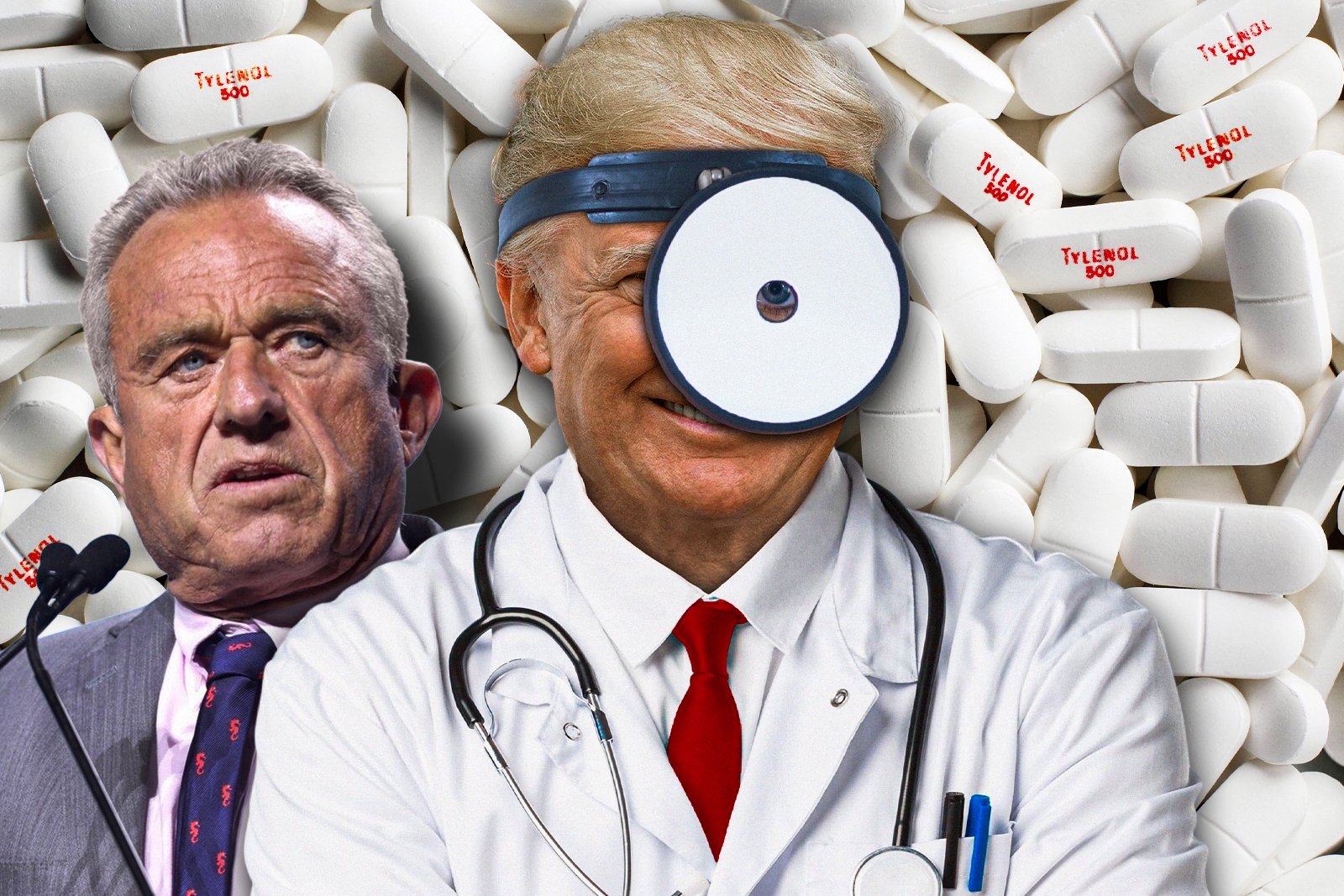
U.S. President Donald Trump, increasingly positioning himself as America’s self-styled Pharmacist-in-Chief, has again waded into contentious waters. With a characteristic flourish, he declared that certain over-the-counter pain medications—Tylenol most prominently—are not only dangerous but potentially linked to autism. In a world where conspiracy theories, rumors, and half-truths often travel faster than evidence-based science, his remarks threaten to unleash a migraine for the entire analgesic sector.
The consequences are not limited to Tylenol. They reverberate across a wide spectrum of trusted household names and challenge the very foundation of consumer trust in safe, widely used over-the-counter medicines.
Markets, predictably, have responded. Shares of Tylenol’s parent company, Kenvue Inc., dipped immediately following Trump’s assertions. But the deeper problem lies in the unforgiving dynamics of the content economy. Online creators—on TikTok, YouTube, and beyond—are uniquely skilled at amplifying speculative claims into viral narratives. In the age of clicks, views, and monetization, Trump’s unsubstantiated suggestion is tailor-made for exploitation. Creators can spin these theories into trending topics, monetizing fear through catchy titles and dramatic claims. In this sense, these creators can turn ‘scary’ pills into dollar bills, even when the allegations themselves lack any credible scientific foundation.
The ripple effects could be dramatic. Imagine a barrage of viral videos suddenly claiming that Paracetamol is poison or that Disprol is dangerous. These scenarios are hypothetical, but the reputational damage they illustrate is all too plausible. The pattern has played out before. In the 1970s, food manufacturers faced consumer panic over red food dyes, which were wrongly believed to cause cancer. The myth proved durable and damaging. More recently, pharmaceutical giants such as Pfizer, Moderna, and Johnson & Johnson found themselves in the trenches of an information war against COVID-19 skepticism, driven in large part by Health and Human Services Secretary Robert F. Kennedy Jr. Despite their coordinated efforts, an entrenched anti-vaccine movement continues to this day, demonstrating how hard it is to fully dislodge misinformation once it takes hold.
My own professional experience offers a similar lesson. Several years ago, I advised a manufacturer grappling with a reputational crisis tied to product safety. From the outset, we believed in the necessity of collective defense. Protecting the broader category, we argued, was as essential as safeguarding any individual brand. Unfortunately, competitive rivalries and corporate ego stymied real unity. While we succeeded in shielding our client from the worst of the fallout, the industry at large took heavy losses. Opportunistic actors, sensing an opening, exploited consumer anxiety, and many products—including one of our own—were unfairly stigmatized.
What today’s Tylenol controversy highlights is that the stakes now extend beyond corporate reputations. Millions of people around the world rely on acetaminophen products for relief from everyday ailments—headaches, arthritis, muscle pain, and fever. The threat of unchecked misinformation is not simply a matter of market share; it is a matter of public health. Left unchallenged, baseless claims erode not just brand value but also the confidence that consumers place in many over-the-counter medicines.
This moment calls for foresight, coordination, and an industry-wide response. The strategic blueprint is not difficult to imagine, but it requires cooperation and vision.
First, convene. Industry leaders must come together and establish a representative campaign collective. Call it the “Analgesic Alliance.” Such a coalition would pool insights, resources, and tactics, ensuring that the response to misinformation is unified rather than fragmented.
Second, prioritize a data-based approach. Assemble panels of independent scientific experts equipped with credible, verifiable data. Their task would be to present the plain truth in accessible and compelling ways, bridging the gap between technical accuracy and public comprehension.
Third, secure endorsements. Involve authoritative voices from professional associations, peak medical bodies, and public health organizations. Their support can help defend the integrity of acetaminophen products as a category, leaving brand-specific messaging to be developed later.
Fourth, commit to prebunk, don’t debunk. Waiting to chase down falsehoods after they emerge is a losing strategy. Instead, companies should develop proactive messaging, protocols, and tools that anticipate misinformation before it spreads widely. Preempting the narrative makes it harder for rumors to take root.
Finally, reassure. Tone matters. Responses must be empathetic, calm, and caring—recognizing that many consumers will be confused, anxious, or even frightened by the president’s assertions. A defensive corporate voice will only deepen mistrust; a human, reassuring voice has a better chance of calming nerves.
Some early signs of mobilization are already evident. Within 24 hours of Trump’s remarks, key industry voices began issuing rebuttals. Yet the pattern in these crises is often one of fragmented defensiveness. Companies hunker down, focused narrowly on self-preservation. The resources poured into siloed campaigns diminish collective strength, leaving the broader industry weakened. When the credibility of a widely trusted medicine is under attack, such fragmentation is not just shortsighted—it is dangerous.
The pharmaceutical sector has both the financial heft and the scientific credibility to do better. A collective campaign would not only protect consumers from unsound science but also safeguard market stability. But the order of priorities must be explicit: protecting public health comes first, preserving market share comes second. Failure to maintain that hierarchy risks alienating the very consumers companies seek to reassure.
Strength in numbers is not a cliché here—it is the only viable strategy. Should the industry fail to rally together, the consequences will extend far beyond temporary dips in stock prices. Acetaminophen products could be saddled with a long-term reputational wound, one that persists for years. For companies and consumers alike, the cost of such failure would be steep. This is not merely about defending a brand; it is about defending trust in medicine itself, and by extension, public health.