Iran’s War on the Dead—and the Living Who Remember
She moved slowly along the path to Section 41 of Behesht Zahra, Tehran’s main cemetery—an elderly woman in a slipping headscarf, one hand on a cane, the other clutching a few wilted flowers. Section 41 has been sealed off for years. Beneath its soil lie the bodies of tens of thousands of dissidents executed in the 1980s. From a distance, the woman used to speak to her only daughter, buried there. This time, under a sun that seemed to press the air flat, she found bulldozers: heavy machinery chewing through earth and headstones. The hope that sustained her weekly visits was vanish¬ing before her eyes. Her frail body trembled.
Erasure is a policy. The Iranian state is not only silencing the living; it is trying to efface the dead. To dismantle the ground where families mourn is not a neutral act of redevelopment. It is violence against memory—an assault on the moral record itself. It is, perhaps, a prelude.
That fear has sharpened since the regime’s bruising twelve-day war with Israel and the cascade of intelligence and military failures it exposed. For years, Tehran’s capacity for violence at home and abroad was misread as durable strength. Suddenly, the Supreme Leader’s authority looked brittle, even among loyalists. The morning after the ceasefire, checkpoints appeared across Tehran and other cities. According to the state broadcaster IRIB, police spokesman Montazer al-Mahdi said that during this “twelve-day sacred defense,” authorities arrested more than 21,000 people.
Meanwhile, officials insist Iran holds no political prisoners. On August 10, the head of the judiciary denied their existence outright. Yet at present, rights advocates estimate that at least 3,700 political detainees are being held across the country. On July 27 alone, two political prisoners were executed. Others have disappeared into a carceral fog, leaving no trace for their families to follow. As The Times has reported, some detainees have been transferred to clandestine “safe houses” controlled by the Ministry of Intelligence.
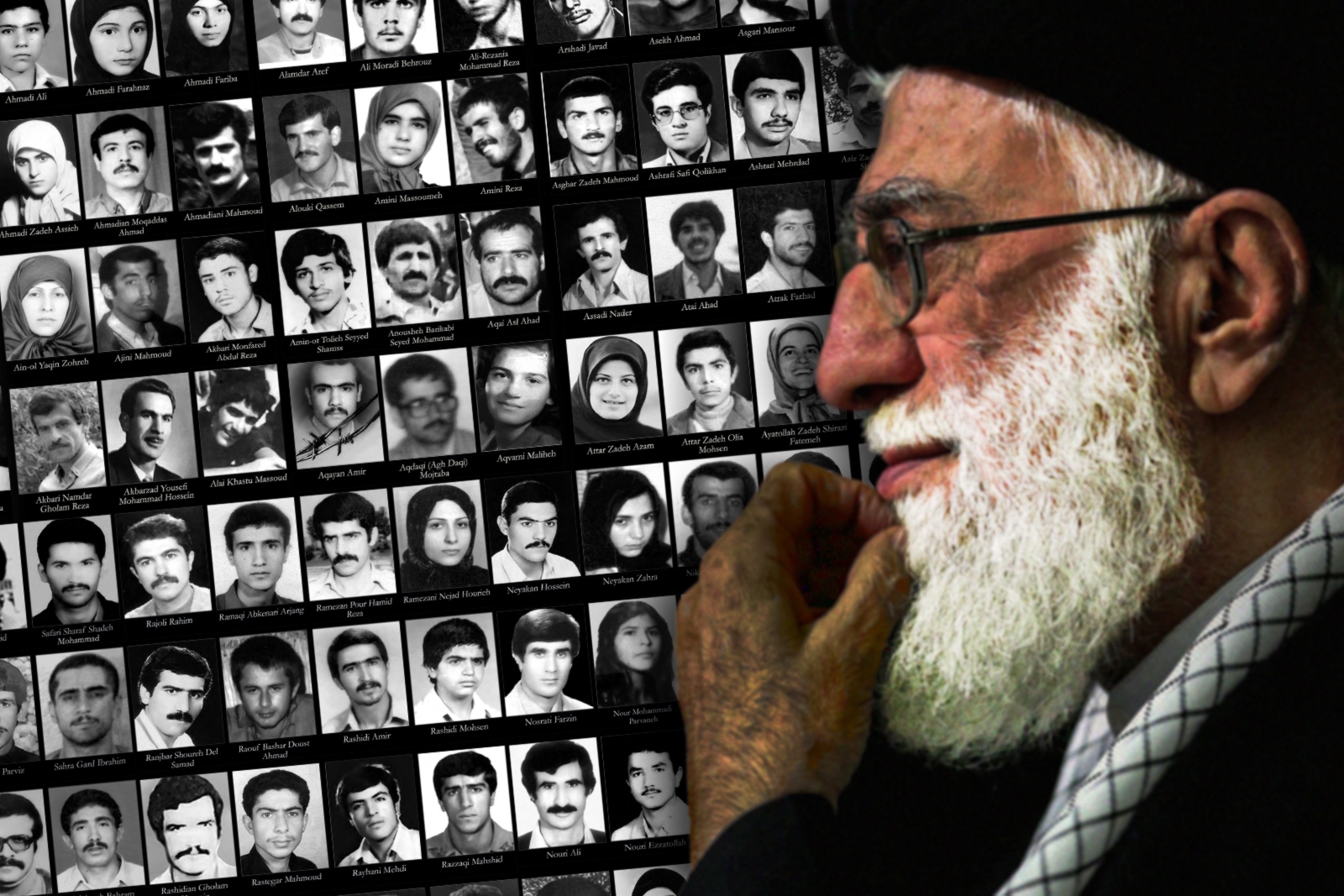
The rhetoric has grown darker still. On Tuesday, Fars News Agency published an editorial with a chilling premise: “Why Should the Experience of the 1988 Executions Be Repeated?” The piece hailed the mass killing of political prisoners in the summer of 1988 as “one of the shining achievements of the Islamic Republic” and declared that “today is the time to repeat this successful historic experience.” The detainees of the present, the author claimed, have “passed information to the enemy,” engaged in “weapons smuggling,” and “paved the way for Israeli attacks”—charges invoked to justify the same methods again.
International law has a different name for what happened in 1988. Javaid Rehman, the UN Special Rapporteur on human rights in Iran, has described those executions as crimes against humanity—and, in certain respects, genocide. Fars, by contrast, recast them as counterterrorism and urged their reprise.
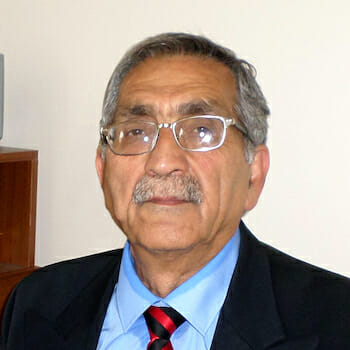
Veteran war-crimes prosecutors hear the alarm bells. Stephen J. Rapp, former prosecutor at the International Criminal Tribunal for Rwanda and the Special Court for Sierra Leone, has warned that the world missed the signs once already. In 1988, Iranian activists tried to alert the international community to looming mass executions; many Western officials preferred to look away. With a new wave of arrests, executions, and political prosecutions, he argues, the danger is not only that another massacre could occur—it is that the international community will once again fail to prevent it.
The woman at Behesht Zahra cannot stop the bulldozers. But her presence—and the persistence of thousands like her—resists this second killing: the destruction of graves, records, and names. Whether the world chooses to see them will matter. If silence prevails, history will not simply repeat; it will deepen. And the measure, once again, will be human lives.