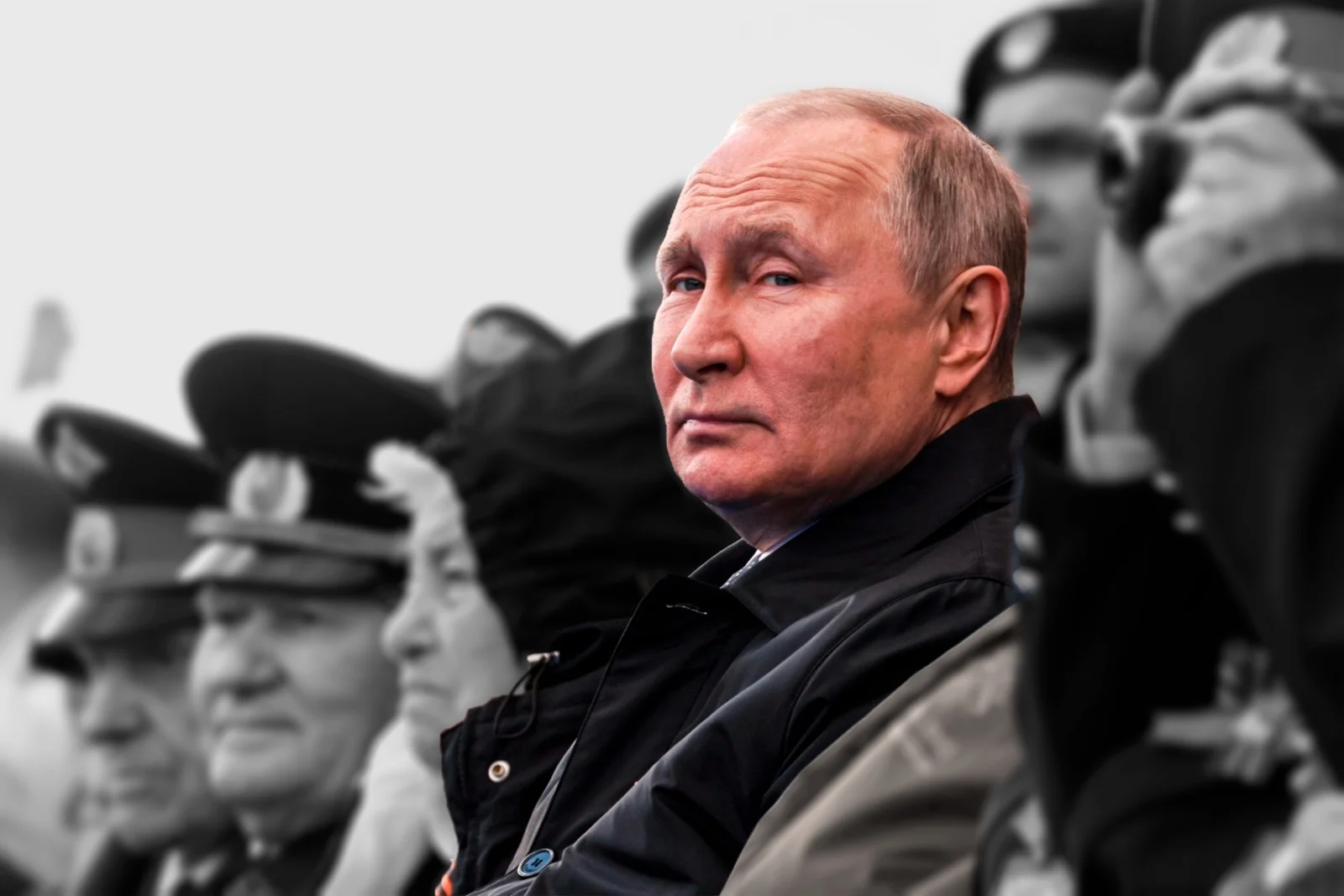



It’s Not Just Ukraine: Russian Drones Are Stirring Fear Across Europe
As Russia’s full-scale invasion of Ukraine nears its fourth year, Europe’s wider security landscape is shifting at remarkable speed. Across the continent, governments are pouring money into defense and rebuilding long-neglected military capabilities, a transformation accelerated in part by pressure from the United States. Europe is trying to deter Vladimir Putin’s Russia and safeguard its own sovereignty. Yet Moscow’s ambitions reach well beyond Ukraine, and the Kremlin is still searching for ways to unsettle, distract, and divide Europe. This fall has made that impossible to miss.
Across the continent, the warnings are piling up. In Denmark and Norway, drones have repeatedly disrupted air traffic, forcing major airports to halt flights. Norwegian authorities have tracked Russian fighter jets straying into their airspace. Germany has reported suspicious drone activity over key military installations. Romania, Belgium, Poland, and the Baltic states have confronted similar intrusions and hybrid threats, involving both jets and drones and often aimed at probing defenses and sowing unease.
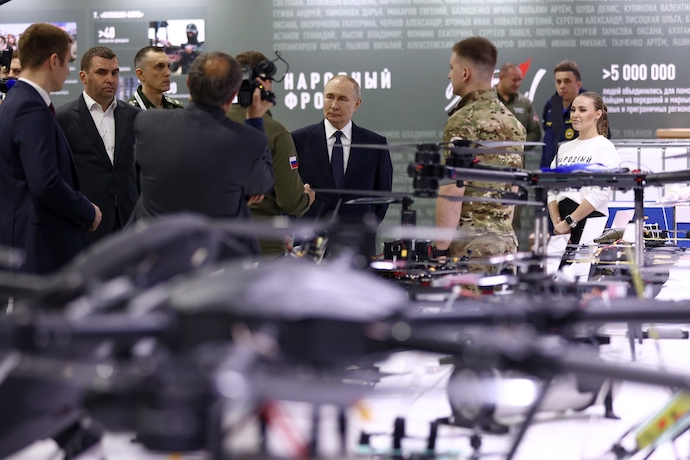 European leaders keep returning to the same core message: the war in Ukraine is not only about Ukraine’s survival, it is about Europe’s future. Even if Russia has no immediate plans to launch a full-scale offensive against the rest of the continent, the Kremlin is clearly intent on destabilizing wherever it can, testing NATO’s unity, and eroding public confidence in basic security. All of this fits squarely within Moscow’s long-standing playbook, and none of it should be dismissed as mere posturing.
As Norwegians and Danes, we are genuinely worried about the safety of our own countries. Europe’s resolve is under pressure, and nations across the continent are rearming at speed, again partly in response to American demands. But when Washington allows itself to be distracted by Kremlin talking points or embraces arguments that ultimately serve Putin’s interests, it risks weakening the most successful peacekeeping alliance in modern history.
It remains firmly in America’s interest to preserve a strong, resilient relationship with Europe. European allies provide vital intelligence on Russian activities, stood alongside the United States in conflicts such as Afghanistan and Iraq, and remain among America’s largest and most dependable trading partners. Europe unquestionably bears primary responsibility for its own defense, yet U.S. support is a crucial pillar of collective security. That responsibility runs in both directions, reinforcing not only Europe’s safety but the long-term stability and prosperity of the United States itself.
Putin’s regime responds only to strength. NATO must send a clear and unmistakable signal: Ukraine, and Europe as a whole, are not territories to be carved up by a tyrant in the Kremlin. The West’s earlier responses to Russian aggression, after the invasion of Georgia in 2008 and the seizure of Crimea in 2014, were far too limited. Those half-measures convinced Putin that he could keep pushing outward, reclaiming lands he imagines still belong to a lost empire. Today’s drone incursions and hybrid operations across Europe are part of that same project—and they demand a more serious, sustained answer.