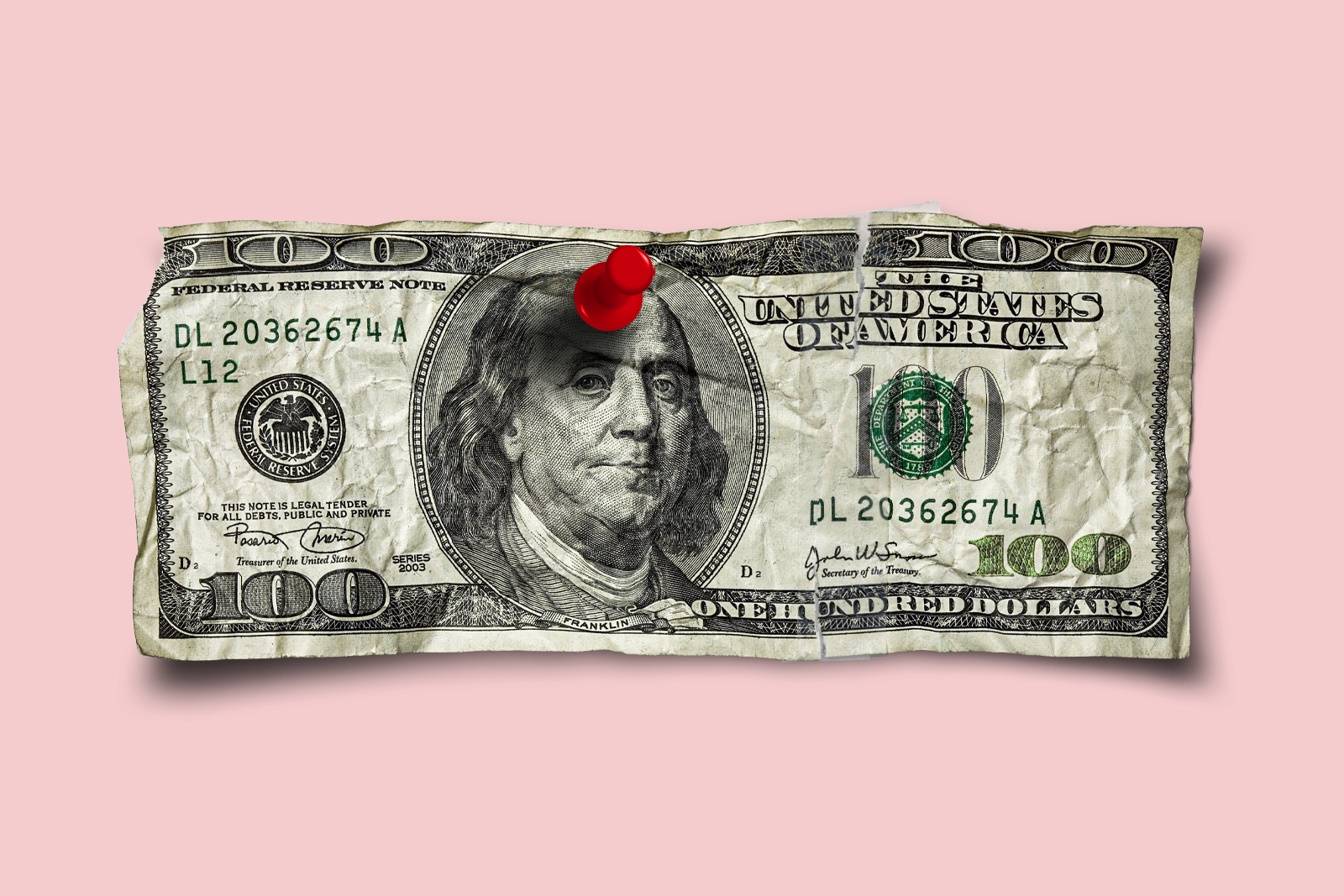

The Price of Trump’s Ignorance
The war in Iran has cost an estimated $72 billion thus far. USAID’s 2024 annual budget was $32 billion. For less than half the cost of a month-long military campaign—one that failed to topple the Iranian regime, failed to destroy its nuclear program, shut down the Strait of Hormuz, alienated allies in both the Gulf and NATO, and drove up the cost of fuel and food around the world—we could have saved hundreds of thousands of lives.
Donald Trump claimed to be the “America First” candidate. Wars of choice, Americans were told, would become relics of the past. Bringing down inflation and restoring domestic prosperity were presented as the raison d’être of his second administration. And yet, Year One of Trump Part Deux has revealed just how hollow many of those promises were. He threatened to seize Greenland from NATO ally Denmark, by force if necessary. He flooded the Caribbean with warships, committing alleged war crimes in the process by double-tapping drowning sailors, before overseeing the nighttime kidnapping of Venezuela’s President Nicolás Maduro.
Not content with provoking one international crisis after another, he then launched a war—encouraged by fellow accused war criminal and Israeli Prime Minister Benjamin Netanyahu—that killed thousands of Iranians, disrupted one of the world’s most vital maritime chokepoints, handed Tehran a powerful strategic card in Middle Eastern security, and sent the prices of fuel and fertilizer soaring. Not bad for just a few months’ work.
Just over a year ago, the goon squad at DOGE was directed to dismantle the United States Agency for International Development (USAID). Trump called the organization “corrupt,” “incompetent,” and “a bunch of radical lunatics.” Elon Musk branded its employees “criminals” and described the agency as “a viper’s nest of radical-left Marxists who hate America.” The Trump administration vilified USAID as wasteful and unnecessary. Secretary of State Marco Rubio, once an ardent supporter of the agency, justified its destruction as part of the broader America First strategy, under which the United States would seek transactional concessions in exchange for aid.
So, without conducting a careful review of the consequences of abruptly ending this assistance, without consulting the governments, international organizations, and local partners who worked alongside us, and without offering alternatives to the thousands of Americans who had uprooted their lives to run these programs, we shut them down. All to secure better deals. Greater access to minerals. Lower tariffs. Extracted from some of the poorest countries in the world. It was schoolyard bully behavior—the geopolitical equivalent of stealing another child’s lunch money. And it was unworthy of USAID’s legacy, which for decades has worked to combat poverty, fight disease, and promote development around the world.
We have all witnessed Trump’s foreign-policy catastrophes and self-inflicted wounds, but the consequences of dismantling USAID, which received far less coverage, may prove even more consequential globally. Nick Kristof of The New York Times cited research last week suggesting that the cuts have already contributed to 750,000 preventable deaths over the past year, and could lead to an additional 9.4 million deaths by 2030, roughly a quarter of them children under the age of five. Admittedly, USAID was not a perfect organization. There were inefficiencies, bureaucratic failures, and programs that warranted review, reform, or even elimination. But you do not reform an institution with a guillotine.
The United States, throughout its postwar foreign policy, has long suffered from a kind of split personality. With one hand, it fed populations ravaged by famine, provided relief after earthquakes, tsunamis, and cyclones, and delivered life-saving medicine to those who otherwise could not obtain it. In Ethiopia during the 1980s, the Reagan administration provided emergency food aid during the country’s devastating famine. President Obama pressured Myanmar’s government to allow American humanitarian assistance after Cyclone Nargis in 2008; he also deployed Marines, USAID funding, and thousands of NGO personnel to Haiti following the catastrophic 2010 earthquake. And in perhaps the most successful global aid initiative ever created, President George W. Bush launched PEPFAR in 2003, ensuring that millions of Africans were not condemned to die from HIV/AIDS by providing free antiretroviral medication on a massive scale.
The other hand, however, was far darker. The United States denied sovereignty and political self-determination to people across Latin America as it helped overthrow democratically elected governments in Guatemala, Ecuador, and Chile while propping up military dictatorships in Argentina, Brazil, and elsewhere. It destroyed countless lives through disastrous wars in Vietnam, Afghanistan, and Iraq—to say nothing of the veterans abandoned afterward to homelessness, addiction, and mental illness at home. War crimes from My Lai to Abu Ghraib and Guantanamo Bay continue to stain the nation’s history and burden its conscience. More recently, Washington has used its influence to shield figures like Netanyahu from accountability before international institutions.
But it does not have to be this way. We know what the responsible and benevolent use of American power looks like. We know how profoundly it can help the world. We know that, when exercised wisely and magnanimously, it earns the respect of allies and the caution of adversaries. And such leadership does more than strengthen alliances; it expands them. Nations are more likely to become partners when offered assistance rather than threats. A benevolent hegemon—one that promotes free trade, protects freedom of navigation, and upholds global human rights and dignity alongside its allies—is one that endures. A hegemon that bullies because it can, threatens allies and enemies alike, seeks economic concessions in exchange for aid, and launches indiscriminate wars is one that other nations will inevitably seek to undermine.
The United States now faces a choice in its foreign policy. It can continue down its current path—a road to isolation and decline. A future in which NATO fractures, trade agreements collapse, the dollar loses its status as the world’s reserve currency, and America retreats inward, consumed increasingly by its own divisions.
Or it can reverse course and reclaim its place within the international community. It can once again shoulder the burden of humanitarian aid. It can accept responsibility for alleviating suffering where it has the capacity to do so. It can extend a hand instead of shaking a fist. Foster cooperation instead of demanding obedience. The choice is stark, and so are the consequences. We should choose aid over war—and devote our resources to saving the world instead of destroying it.