The Women the Taliban Erased
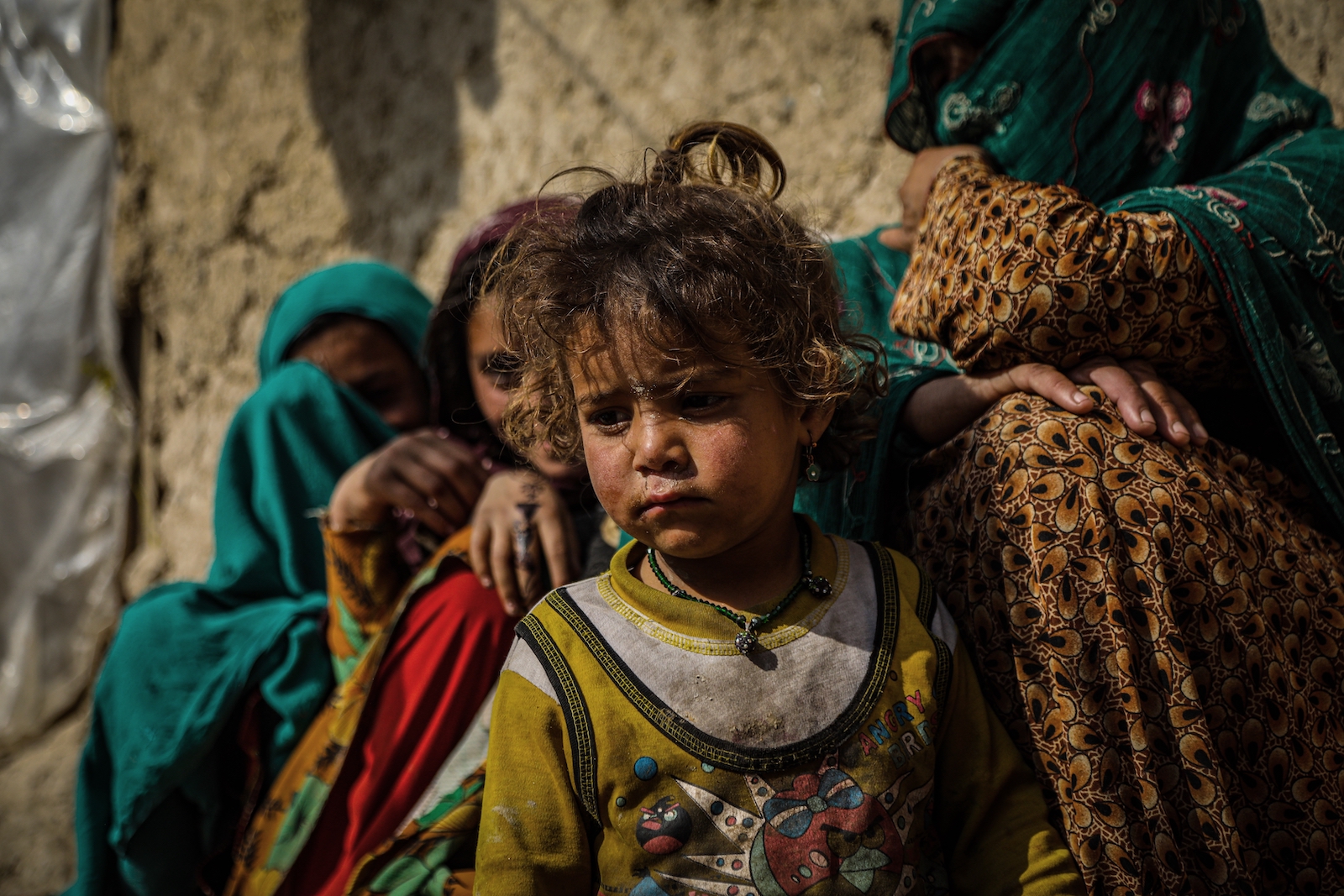
Since the Taliban returned to power in August 2021, Afghanistan has witnessed one of the most sweeping assaults on women’s rights in the modern era. International attention has understandably centered on restrictions affecting women’s education, employment, and participation in public life.
Yet amid this broader campaign of repression, one group has remained largely overlooked: women and girls with disabilities. Their experiences reveal how gender discrimination, disability, poverty, and authoritarian rule can combine to produce some of the most severe forms of marginalisation.
For women with disabilities, the barriers extend well beyond those confronting Afghan women more broadly. Access to healthcare, rehabilitation services, humanitarian assistance, education, and protection from violence has become increasingly restricted. Taliban-imposed limits on women’s movement—including requirements for male guardians in many situations—compound inaccessible transportation systems and widespread poverty, making even the most basic services difficult to reach. As institutional safeguards have eroded under Taliban rule, long-standing inequalities have deepened, leaving many women with disabilities without meaningful support or protection.
The plight of women and girls with disabilities also exposes a fundamental weakness in international human rights law. Although treaties such as the Convention on the Rights of Persons with Disabilities (CRPD) and the Convention on the Elimination of All Forms of Discrimination against Women (CEDAW) formally recognise their rights, existing enforcement mechanisms have proved ill-equipped to uphold those protections under de facto authorities such as the Taliban.
Afghanistan is therefore more than a humanitarian catastrophe. It has become a critical test of whether international human rights law can effectively safeguard people facing multiple, overlapping forms of discrimination under authoritarian rule.
Long before the Taliban’s return, women with disabilities in Afghanistan already faced entrenched structural barriers. Decades of conflict, widespread poverty, landmine contamination, inadequate healthcare, and weak public institutions contributed to one of the highest rates of disability in the world. According to Afghanistan’s 2019 Model Disability Survey, 13.9 percent of adults experienced severe disability, while many more reported functional difficulties that affected daily life. Women and girls with disabilities were already at a significant disadvantage in accessing education, employment, healthcare, and public life, particularly in rural communities.
Since August 2021, those challenges have become even more severe. Taliban policies restricting women’s mobility, employment, and education have had a disproportionate impact on women with disabilities, many of whom depend on support services and humanitarian assistance to meet their daily needs. Access to rehabilitation programmes, assistive devices, healthcare facilities, and psychosocial care has become increasingly difficult. Women with physical disabilities, in particular, often struggle to reach aid distribution centres or medical facilities because of mobility restrictions, inaccessible transportation, and worsening economic hardship.
Educational exclusion has also intensified. While Taliban restrictions on secondary and higher education affect all Afghan girls, those with disabilities face additional obstacles, including inaccessible learning environments, limited specialist support, and heightened social isolation. Women with sensory, intellectual, and psychosocial disabilities remain especially vulnerable, often finding themselves excluded not only from education but also from humanitarian programmes intended to assist vulnerable populations.
Economic marginalisation has deepened as well. Before the Taliban’s return, many women with disabilities relied on informal employment, community organisations, or civil society initiatives that have since disappeared or been sharply curtailed. As humanitarian funding has declined and disability-focused organisations have scaled back their operations, opportunities for economic participation and access to social protection have diminished even further.
Afghanistan remains a party to both the CRPD and CEDAW, treaties that establish important protections for women and girls with disabilities. Article 6 of the CRPD explicitly recognises the multiple forms of discrimination experienced by women with disabilities, while Article 11 obliges states to ensure their protection and safety during situations of risk and humanitarian emergencies. Likewise, CEDAW guarantees equal rights in education, employment, healthcare, and public participation.
Yet the existence of these treaty obligations has done little to ensure meaningful protection. Although the Taliban has not formally withdrawn Afghanistan from either convention, implementation of their core guarantees has deteriorated dramatically. Restrictions on women’s employment, education, and freedom of movement directly undermine many of the rights both treaties were designed to protect.
The Afghan case exposes a broader weakness within international human rights law. Treaty-monitoring bodies depend largely on state cooperation, reporting procedures, diplomatic engagement, and international pressure rather than meaningful enforcement. When governing authorities exercise effective territorial control while remaining politically isolated from much of the international community, these mechanisms have little ability to influence behaviour or secure compliance. Rights may continue to exist on paper, but in practice they offer little protection.
The experiences of women and girls with disabilities in Afghanistan also underscore the importance of adopting an intersectional approach to human rights. Their exclusion cannot be understood solely through the lens of gender discrimination or disability rights viewed in isolation. Instead, it emerges from the interaction of multiple forces, including gender, disability, poverty, displacement, and political repression.
International human rights institutions increasingly acknowledge intersectional discrimination, yet implementation remains fragmented across separate legal frameworks. Disability rights and women’s rights are often addressed independently, despite the reality that many individuals experience both forms of discrimination simultaneously. As a result, women with disabilities frequently fall through the cracks of institutional mandates and policy priorities.
This gap is especially evident in the international response to Afghanistan. Diplomatic attention has rightly focused on sweeping restrictions affecting women and girls, particularly those involving education and employment. Far less attention, however, has been paid to disability-specific concerns, including inaccessible humanitarian assistance, the collapse of rehabilitation services, barriers to healthcare, exclusion from decision-making, and the unique challenges women with disabilities face in navigating daily life. These omissions further reinforce the invisibility of women with disabilities within both humanitarian policy and international human rights advocacy.
Afghanistan therefore illustrates a wider disconnect between the recognition of rights and their practical protection. International law increasingly acknowledges the rights of women and girls with disabilities, yet those protections remain fragile when their enforcement depends on political will, institutional stability, and sustained international engagement.
The experience of women and girls with disabilities in Afghanistan demonstrates the profound gulf that can exist between recognising rights and protecting them in practice. Since the Taliban returned to power, restrictions on education, employment, freedom of movement, and public participation have imposed especially severe burdens on those already living with disability-related exclusion. Existing inequalities have not merely endured; they have become even more deeply entrenched.
Although international instruments such as the CRPD and CEDAW establish comprehensive legal protections, Afghanistan demonstrates the limits of those frameworks when enforcement mechanisms are weak and governing authorities remain resistant to outside pressure. The crisis confronting women with disabilities is therefore more than a humanitarian emergency or a political failure. It is also a measure of how effectively contemporary international human rights law can protect those facing multiple, intersecting forms of discrimination under authoritarian rule.
Ultimately, Afghanistan highlights a difficult truth. The greatest challenge facing international human rights protection is no longer simply recognising rights in legal instruments, but ensuring they can be meaningfully enforced for those living under de facto regimes marked by prolonged political instability and systematic repression. Until that gap is narrowed, women and girls with disabilities in Afghanistan will remain among the most vulnerable—and most overlooked—victims of Taliban rule.