
How USAID Cuts Are Creating the Security Crisis Washington Fears
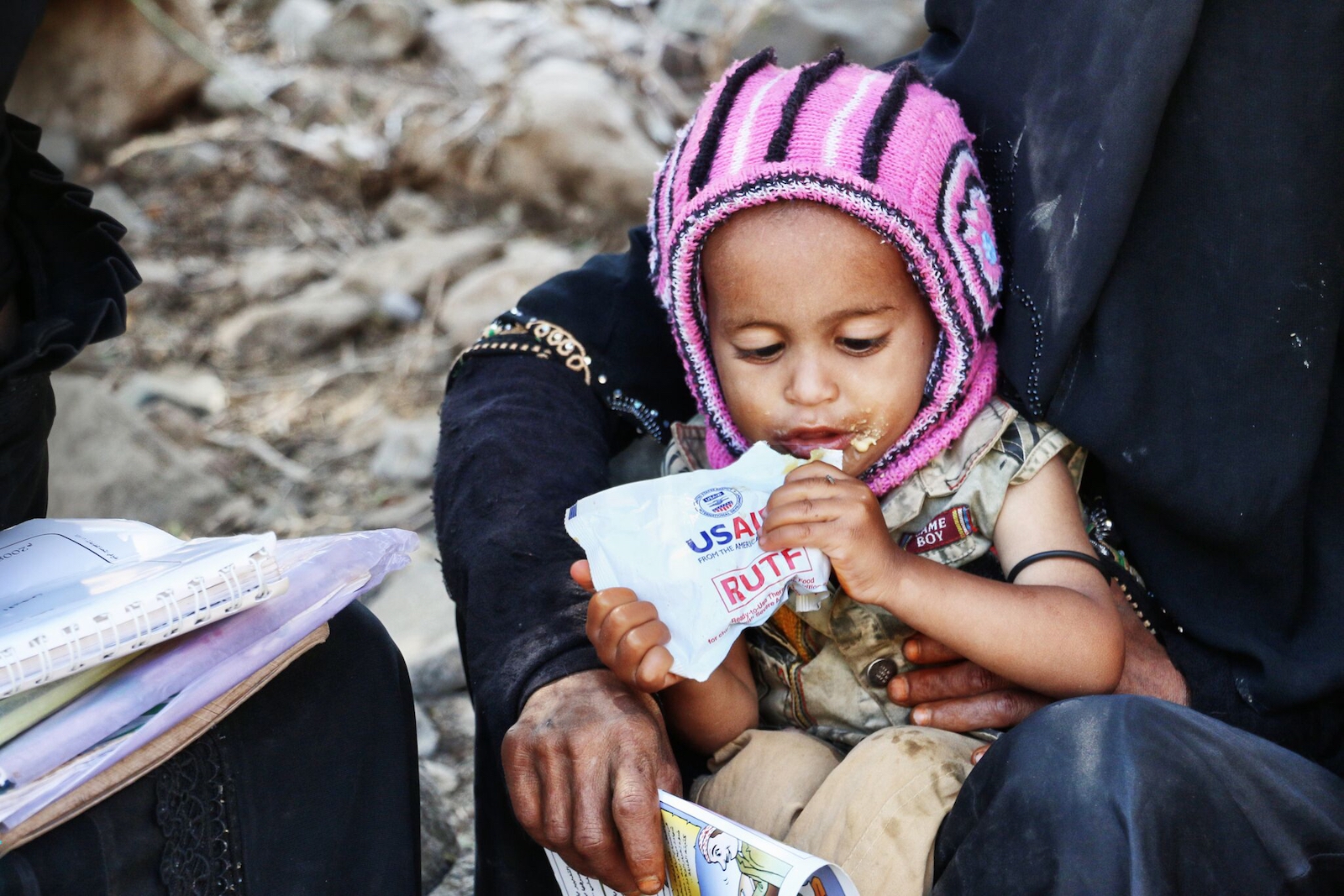
The decision to dismantle the United States Agency for International Development (USAID) froze roughly $950 million in assistance to Uganda. The move did more than reduce food rations for refugees. It also created a security challenge with repercussions across East Africa.
Recent research indicates that the abrupt withdrawal of USAID support has contributed to a sharp rise in violence across Africa, and Uganda is no exception. Cutting aid to Africa’s largest refugee-hosting country has disrupted an entire ecosystem of humanitarian support and security governance. Desperate people are now being pushed toward survival strategies that can fuel violence and instability across borders.
The $950 million cutoff may produce immediate savings for Washington. But those savings will look paltry if instability in Uganda metastasizes into armed-group recruitment, cross-border violence, and the secondary displacement of refugees into active conflict zones. Addressing those consequences would eventually require military, humanitarian, and diplomatic interventions costing far more than the assistance the United States withdrew.
Uganda hosts nearly two million refugees and asylum seekers, with approximately 10,000 more arriving each month. The country has long been celebrated for its progressive humanitarian framework, often described as an “open-door policy” and among the world’s most generous refugee policies. Refugees generally enjoy freedom of movement, the right to work, and access to public services.
USAID funding helped sustain that architecture across food security, healthcare, education, and sanitation, working in conjunction with partners such as the World Food Programme, the UN Refugee Agency, and local organizations. That model is now under severe strain. Its unraveling will not remain a local problem. As each sector buckles, a system designed to provide refuge is being transformed into a source of insecurity.
The end of USAID support slashed Uganda’s aid programs by an estimated $307 million, or 66 percent. It left UNHCR’s Uganda operation with only 17 to 25 percent of its required budget and able to provide just $5 per person each month, rather than the $16 needed. The World Food Programme’s Uganda operation similarly lost $50 million in 2025, forcing it to remove one million refugees from food-assistance rolls.
The AVSI Foundation’s UNHCR-supported program, designed to help 81,000 refugees and 3,500 Ugandans escape poverty, was also terminated, leaving participants without assistance. Healthcare programs supported by the President’s Emergency Plan for AIDS Relief (PEPFAR) were disrupted, threatening antiretroviral treatment delivered through thousands of health facilities. Schools, teacher-training initiatives, and other educational programs were halted as well, raising still more barriers for refugees and their families.
These were not merely changes in policy or accounting. They translated directly into competition over dwindling local resources, fracturing social cohesion. When food and livelihood programs disappear, refugees and host communities are forced to compete for what remains—a dynamic that researchers have repeatedly identified as a catalyst for violence.
The loss of food assistance and other forms of support has intensified hunger and stripped many refugees of their basic means of survival. Some have been driven to begging or theft, inflaming resentment within host communities.
Competition over water, firewood, and land has grown more severe, while environmental pressures, including deforestation, have worsened. Refugees are increasingly perceived as economic competitors, deepening prejudice and raising the risk of conflict over resources and survival.
Resource scarcity often forces displaced people to adopt coping strategies that bring them into indirect conflict with the communities around them. Neighbors can quickly become rivals when every necessity is treated as a zero-sum contest. Yet the welfare, peacebuilding, and dialogue programs that once served as buffers against such tensions have also collapsed.
The termination of grants to community-based organizations promoting civic participation, peaceful coexistence, and integration has deprived both refugees and host communities of institutions capable of sustaining trust and resolving disputes. At the moment these relationships are under their greatest strain, the mechanisms designed to preserve them are disappearing.
Nor are these tensions confined to refugee settlements. Many of Uganda’s camps are in border districts already vulnerable to armed-group activity. As relations between refugees and host communities deteriorate, the conditions are emerging for a humanitarian crisis to become a transnational security emergency.
The complete removal of more than one million people from food-assistance rolls, combined with the loss of other services, has compelled some refugees to leave camps and settlements in search of the necessities of life. That movement has contributed to secondary displacement, including returns to countries still at war.
From 2025 into early 2026, the Ugandan government reportedly turned away asylum seekers from countries including Eritrea, Somalia, and Ethiopia, citing inadequate funding. Other refugees have been deported or pressured into returning home despite having fled conflict. Reports of Sudanese refugees returning to Sudan while the war there continues illustrate the danger. Such movements do not resolve displacement; they expose vulnerable people once again to armed violence.
Uganda’s refugee settlements are concentrated largely in border districts, many of which are among the country’s poorest and most underserved areas. As tensions deepen and the institutions that once moderated them disappear, the likelihood of local violence spilling across borders increases. Where border governance is weak, armed groups can exploit communal grievances to recruit fighters and extend their influence.
This pattern is familiar in the Sahel and the Horn of Africa, where armed groups have weaponized disputes over land and resources to expand their territorial control and recruitment pools. Uganda’s border districts, already close to insurgencies in the Democratic Republic of the Congo and to militant networks operating elsewhere in East Africa, are increasingly vulnerable to the same dynamics.
The risks are especially acute for young people who are unemployed, out of school, and deprived of viable livelihoods. The disappearance of USAID-supported employment and education programs makes them more susceptible to exploitation and recruitment. Uganda may not experience insurgent violence on the scale seen in parts of Somalia, the Sahel, or the DRC, but its proximity to these conflicts makes complacency dangerous. If the country’s open refugee system collapses, it will create a protection vacuum with direct consequences for peace and security across East Africa.
The United States should therefore recognize assistance to Uganda as a strategic security investment. Washington should view such funding not only as humanitarian support for refugees but also as a long-term effort to preserve peaceful coexistence between displaced populations and their hosts.
At the same time, Uganda and its neighbors must build the capacity to withstand future volatility in Western assistance. The Ugandan government should work with regional bodies, including the African Union, on a burden-sharing framework that coordinates humanitarian financing with cross-border security responses. Such an arrangement could reduce dependence on USAID while strengthening the region’s ability to confront armed-group recruitment, secondary displacement, and the possibility of cross-border violence generated by the destabilization of refugee communities. That work is increasingly urgent as Washington’s foreign-assistance commitments become less predictable.
Immediate attention must also be given to local conflict-resolution mechanisms capable of interrupting violence before it escalates. Civil society groups and community organizations need sustained investment in mediation and dialogue programs. These initiatives provide forums for resolving disputes, easing emerging tensions, and preserving social cohesion. By preventing conflicts over scarce resources from becoming communal violence, they can disrupt the earliest stages of a wider security crisis and reduce the grievances armed groups exploit for recruitment and territorial expansion.
Aid to Uganda is not simply money for food rations or humanitarian services. It is a strategic intervention against transnational insecurity. The $950 million saved today will pale beside the cost of future military deployments, refugee repatriation operations, and regional stabilization efforts if Uganda’s humanitarian architecture collapses into a cross-border crisis.
Uganda’s open-door policy has sheltered nearly two million people fleeing war and persecution, while USAID helped construct one of the world’s most ambitious refugee-support systems. Allowing that architecture to collapse would not make the United States safer or more solvent. It would merely postpone the bill—and ensure that, when it arrives, the price is much higher.