
Ukraine’s Serhii Kryvonos on How Warfare Is Changing
Serhii Kryvonos is a Ukrainian major general and former deputy secretary of Ukraine’s National Security and Defence Council, a position he held from March 2019 to December 2020. Previously, he served as first deputy commander of Ukraine’s Special Operations Forces. His military career has included senior leadership roles in special operations and efforts to reform Ukraine’s defense capabilities.
In this interview with Scott Douglas Jacobsen, Kryvonos examines how warfare is evolving through the remainder of the 2020s. Their discussion explores the changing role of infantry, the importance of economic resilience and air defense, and the need for closer coordination between frontline forces and the rear. Kryvonos also addresses the growing importance of drones, the constant competition between military innovation and countermeasures, and why countries must maintain control over their own military communications infrastructure.
Scott Douglas Jacobsen: As warfare continues to evolve, understanding the trends shaping the battlefield becomes increasingly important. What do you believe will be the defining characteristics of warfare through the remainder of the 2020s?
Serhii Kryvonos: I expect developments in several areas.
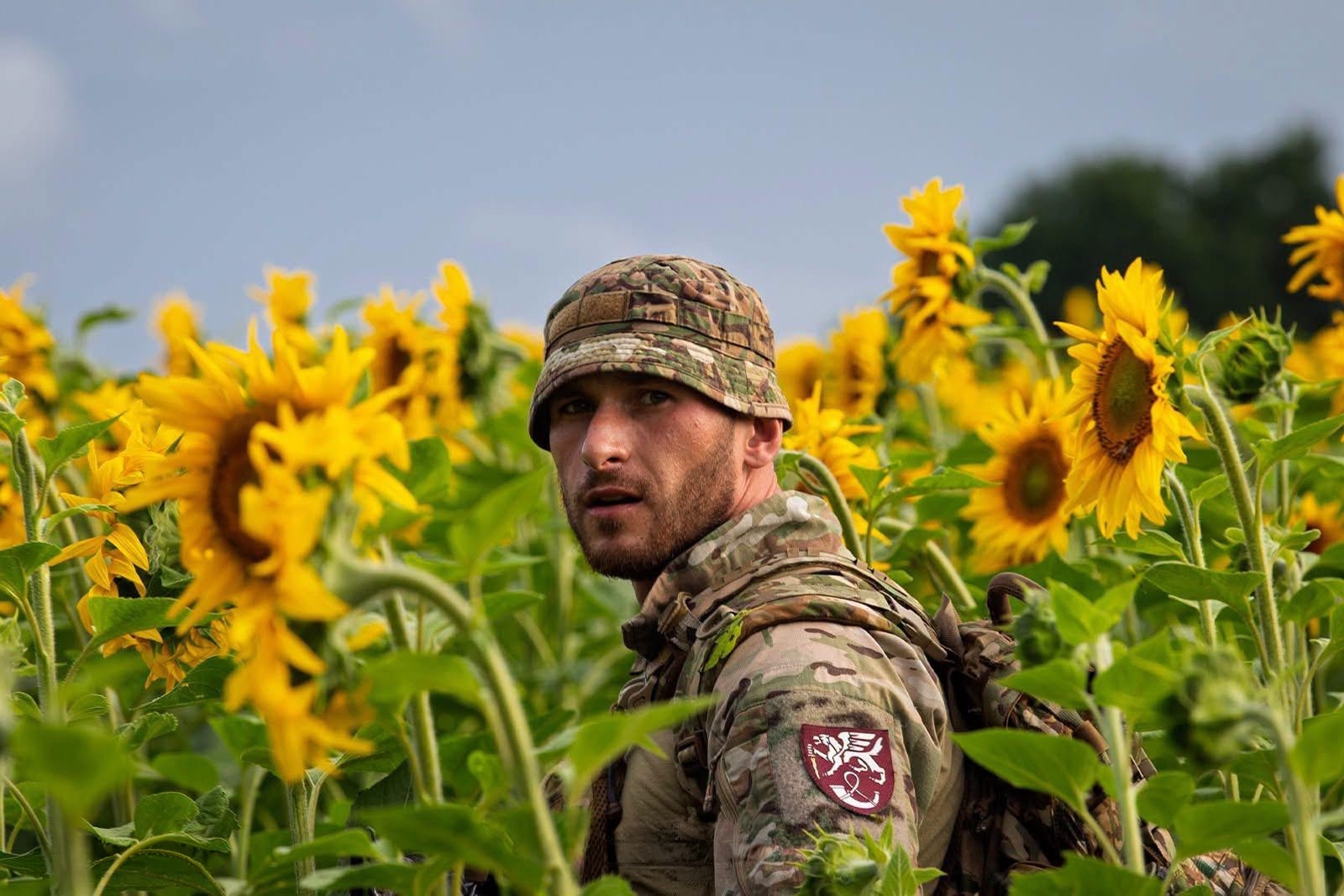
First, the role of the individual soldier is changing. The use of massed infantry is evolving. Each infantry soldier increasingly needs to operate independently or with a partner, rather than exclusively within a squad or platoon.
That substantially raises the standard of training required for ordinary infantry.
Second, a country’s economy must be capable of withstanding attacks. Where necessary, economic activity must be dispersed across the country.
Third, countries must strengthen their ability to defend against enemy air and missile strikes. This includes engineering protection, electronic protection, and measures to counter electronic warfare systems, drones, and missiles.
Another fundamental requirement is a dramatic improvement in coordination between the front and the rear. No army can be strong if its rear is weak.
Jacobsen: Ukraine’s Operation Vivaldi appears to reflect a shift away from pursuing major breakthroughs toward securing incremental territorial gains. Rather than attempting to advance miles at once, forces make progress inch by inch. Do you expect this more gradual approach to define future Ukrainian operations aimed at reclaiming occupied territory?
Kryvonos: The enemy finds countermeasures to our new tactics relatively quickly. We cannot keep using the same approach indefinitely. Both sides constantly change. We must remain active and continually adapt to the changing situation.
Jacobsen: Drones have dramatically reduced the cost of conducting lethal attacks. Russian forces have used them against military targets, civilians, and civilian infrastructure. While one-way attack drones, including Shahed-type systems, are destroyed during their missions, reusable drones can deliver payloads, return, and be deployed again. Do you expect reusable systems to play an increasingly prominent role in drone warfare?
Kryvonos: That depends on more than the drones themselves. It also depends on the enemy’s ability to counter them. The economics of drone warfare depend on how effectively the enemy can shoot them down.
We cannot consider drones in isolation. As drone capabilities improve, counter-drone capabilities and air defense must also improve. These developments are interconnected. We develop an action; the enemy develops a counteraction.
Jacobsen: Secure communications have also become indispensable to modern warfare. Ukraine’s reliance on services such as Starlink has raised concerns about what happens when access to critical communications infrastructure depends on decisions made outside a country’s control. Should governments prioritize developing independent satellite communications capabilities to reduce that vulnerability?
Kryvonos: Not only satellite communications. The issue is having communications systems of our own. In my view, a state can wage war effectively only when its overall command-and-control system operates independently of other countries.
Jacobsen: Thank you for your time and insights, Serhii.