What One Journalist’s Death Reveals About Bangladesh
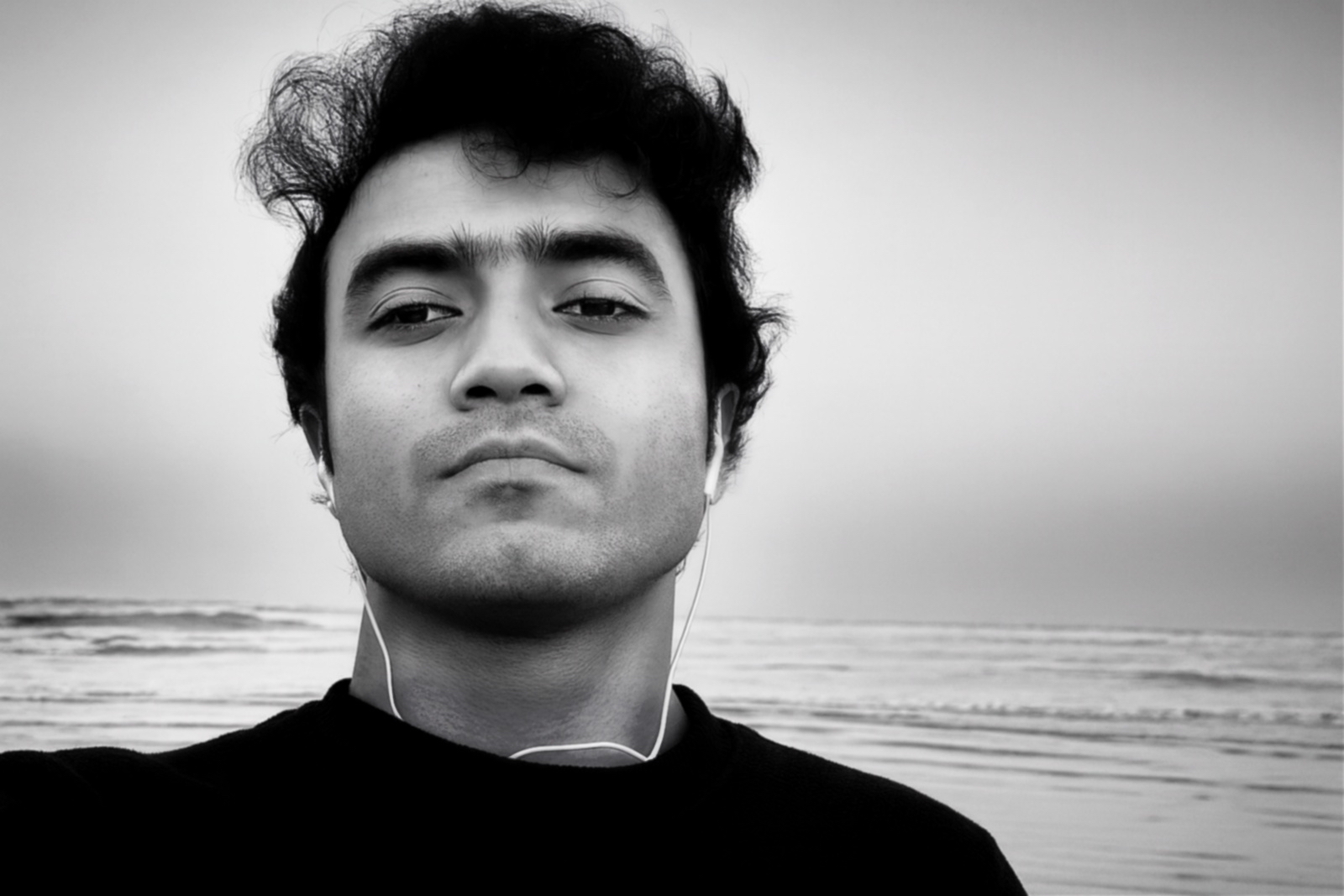
In July 2024, as Bangladesh convulsed with protests, a single interview pierced the noise. A little girl, voice barely above a whisper, told a reporter she missed her father, she loved him, and was waiting for him to come home. Her name was Sadira, the daughter of slain journalist Tahir Zaman Priyo. Unable to fully grasp death, her words distilled a nation’s grief and crystallized the human toll of authoritarianism.
The unrest began as a peaceful demand to reform Bangladesh’s contentious quota system, which favored descendants of the 1971 Liberation War’s freedom fighters. When Prime Minister Sheikh Hasina’s government met unarmed students with force, the protests swelled into a nationwide uprising. Internet blackouts followed; the press faced intimidation. Some outlets surrendered to state propaganda and “yellow journalism.” In that darkness, one reporter kept his lens on the truth: Tahir Zaman Priyo, a video journalist at TheReport.live. On July 19, 2024, while filming the unrest, police shot him. Friends searched through the night; his body was found in a Dhaka morgue the next day. He was one of five journalists killed during that same period.
Born on March 7, 1997, in Rangpur, Priyo gravitated early to photography. He studied photography and photojournalism at the Pathshala South Asian Media Institute and joined TheReport.live in 2021. His portfolio spanned local craft documentaries and hard-edged investigations such as The Dark Secrets of Gucci. Yet his defining role was at home: a devoted single father to four-year-old Sadira, whom he called Padmapriyo Paromita, “the perfect lotus who completes my life.”
View this post on Instagram
In January 2024, he posted a modest plea on Facebook: “My daughter has turned four. As her father and mother, I carry the responsibility of both roles…Please pray for my daughter.”
Those who knew Tahir describe a quiet resolve. His mother, Samsi Ara Zaman Koli, called him brave and unbending, a reporter who had been injured more than once but refused to retreat. “He was uncompromising about his profession,” she said.
On October 28, 2023, as violence engulfed a rally of the opposition BNP, he kept filming and was hurt in the crush. In private, he sometimes wondered about a safer job; in practice, he kept telling the truth. He rescued animals. He spoke up for women, for the Hijra community, and for ethnic minorities, especially the Jumma peoples of the Chittagong Hill Tracts. His advocacy bled into his art: he worked on Hemanta Sadeeq’s award-winning film A Letter to God, among the first Bangladeshi films in both Bengali and Marma, with a cast drawn from Marma and Bengali communities.
To mentors and colleagues, he lived up to his name. “A quiet, thoughtful boy with a maturity beyond his years,” recalled his mentor, GM Iftekhar. Colleagues remembered a playful perfectionist with a ready smile—the guy who would stop mid-stride to pick up litter. Beloved, in other words.
The day he was killed, Priyo was near Central Road with his friend Syeda when police opened fire. Chaos followed. “Suddenly, Priyo was shot in the head and fell,” she said. Protesters waved a white shirt over him, trying to shield him, but the firing continued. Friends combed hospitals until they found him in the morgue the next morning.
Grief traveled swiftly online. “My childhood friend Priyo is no more,” wrote his friend Shihab. “He left behind a little girl who had already lost her mother. I am not seeking justice, only prayers.” The post went viral, and the mourning spread with it.
At home, Sadira kept asking why her father wasn’t calling. When the body arrived, she whispered, “My father is sleeping—don’t disturb him.” Her interview, which ricocheted across the country, turned sorrow into defiance. In the days that followed, Jamuna Television broke from official narratives and began reporting more independently; on August 4, the authorities shut it down. Many believe Priyo’s sacrifice helped push that turn. By August 5, Hasina had fled the country, toppled by an uprising that Priyo’s death helped inspire.
Priyo’s story is not simply a personal tragedy; it is a map of Bangladesh’s struggle for truth. He could have stepped back. He chose not to. For him, journalism was not a job but a civic duty, one that exposed not only state violence but also the rot of a media culture too ready to bend to power.
After his death, murals of Priyo appeared on city walls. Journalism students began studying his footage for lessons in ethics and courage. A fellowship for young filmmakers now bears his name. But the most meaningful memorial is the work itself: defending the values he risked everything to document—truth, democracy, human rights, an inclusive society, and a free press.
Those values remain contested. Mob rule and lawlessness still flare, often against the already marginalized—Jumma communities among them. Since the protests last year, there have been dozens of high-profile attacks on women, including assaults on women’s football venues by extremists who denounce sports as “immoral.” In September, ethnic violence in Khagrachari claimed three lives. Such episodes feel like a betrayal of what Priyo stood for.
His killing drew condemnation from UNESCO and Reporters Without Borders, but statements alone do not protect the next byline. From Gaza to Dhaka, journalists take risks so the rest of us can see. Priyo still has no justice. The old warning holds: “Injustice anywhere is a threat to justice everywhere.” The work ahead is twofold: accountability for his death and the ongoing project of safeguarding those who, like him, insist that integrity is not an eccentricity but the baseline of public life.
Tahir Zaman Priyo was not merely a reporter. He fought with his pen, his camera, and his conscience. He died in pursuit of the truth—and his legacy endures in every act of courage, every verified fact, and every voice that refuses to quiet down until the country he filmed finally matches the country its people deserve.