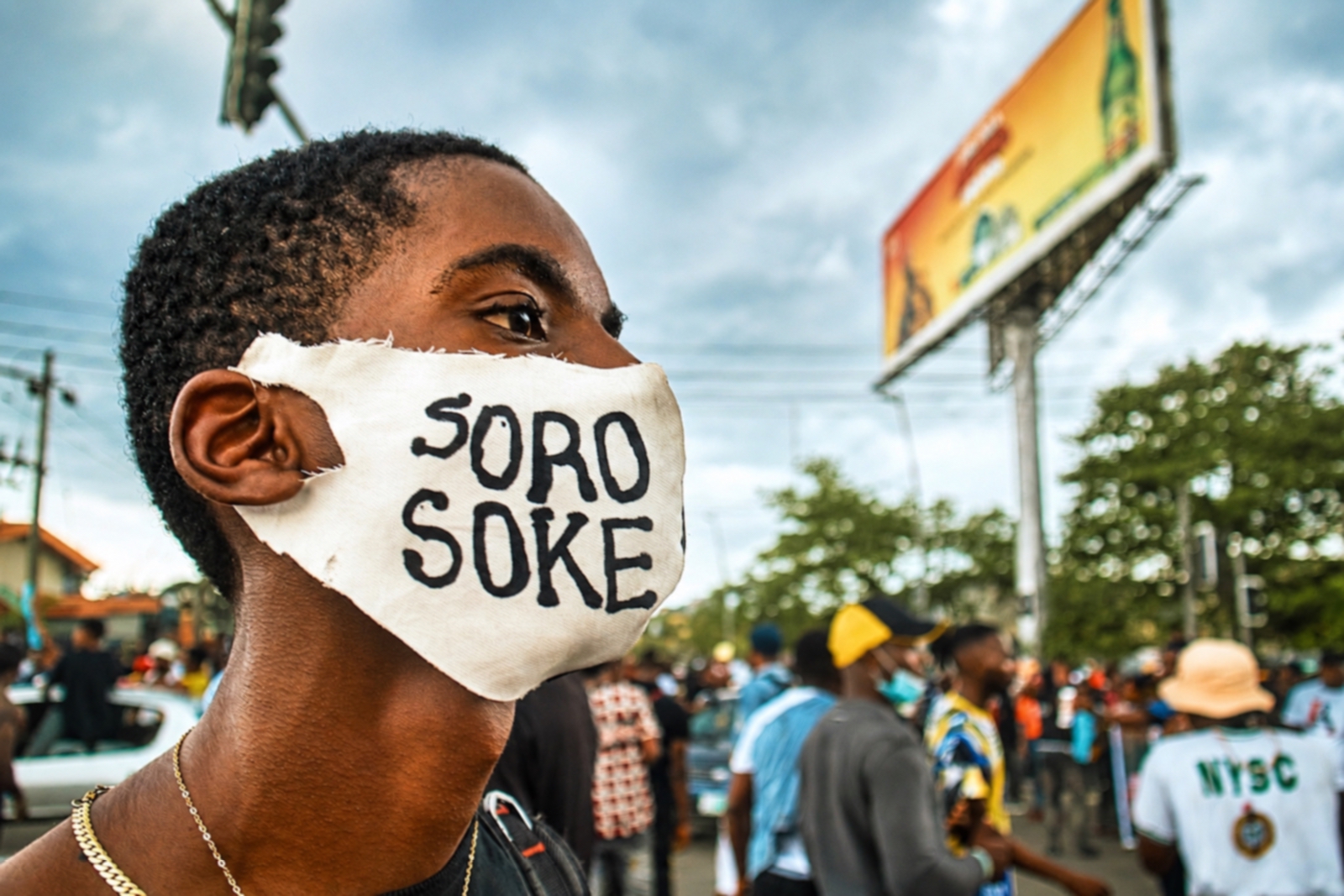

Why Military Coups Keep Returning to Africa
As the first quarter of the twenty-first century draws to a close, Africa stands out as one of the most politically consequential and dynamic regions in the world. Across the continent, democratic transitions, electoral competition, and ambitious regional integration projects have expanded political participation and reshaped governance. Yet these gains exist alongside a troubling countertrend. Military coups, constitutional crises, persistent governance failures, and the steady growth of authoritarian tendencies have raised serious questions about the future trajectory of African politics. Recent events in Mali, Burkina Faso, Niger, Guinea, and Sudan underscore a sobering reality: the project of democratic consolidation in Africa remains unfinished and, in many places, increasingly fragile.
The optimism that followed the end of the Cold War now feels more complicated than many observers anticipated. During the 1990s, African states embarked on ambitious democratization efforts that transformed the political landscape. Multiparty systems emerged where one-party rule had long prevailed. Constitutions were rewritten, political freedoms expanded, and international institutions invested heavily in supporting democratic governance. For many scholars and policymakers, the period appeared to signal the gradual institutionalization of democratic norms across the continent. The prevailing assumption was that democratization, while uneven, would continue moving forward.
The decades that followed have challenged that assumption. Democratic development has proven neither linear nor irreversible. Elections alone have not guaranteed accountable governance, and democratic institutions have often struggled to meet the expectations placed upon them. In many countries, citizens continue to vote, yet they remain dissatisfied with the quality of governance delivered by those they elect.
Indeed, one of Africa’s most pressing challenges today extends beyond the simple question of whether democracy exists. The deeper issue is a broader crisis of governance. The regular conduct of elections does not automatically produce a healthy democratic system. Corruption, weak state institutions, limited administrative capacity, widening socioeconomic inequalities, persistent security threats, and inadequate public services continue to erode public trust.
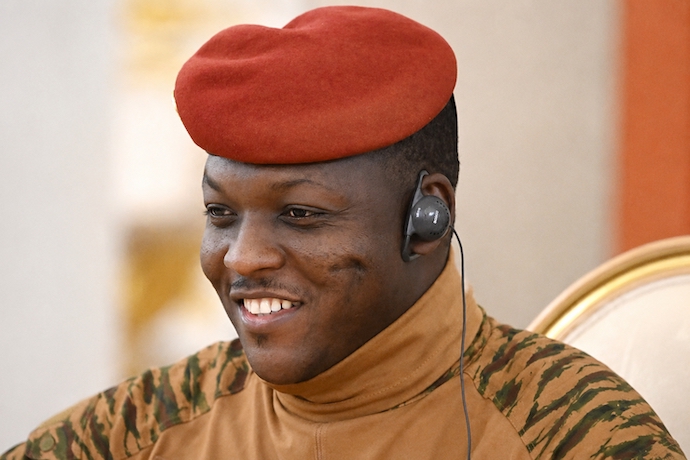
As a result, the legitimacy of democratic institutions has weakened in numerous countries. In some cases, authoritarian leaders have gained support by presenting themselves as more capable of delivering stability and order, while military interventions have occasionally received a surprising degree of public approval.
The return of military coups has once again drawn global attention to Africa’s political landscape. The coups in Mali in 2020 and 2021, followed by the dual coups in Burkina Faso in 2022 and the overthrow of President Mohamed Bazoum in Niger in 2023, have collectively signaled what many analysts view as a new era of military intervention in African politics. These events are not isolated incidents. Rather, they reveal deeper patterns that extend beyond individual countries or leaders.
It would be a mistake to interpret these developments merely as changes in political leadership. They are symptoms of more profound structural weaknesses that have accumulated over time. Governance failures, declining institutional legitimacy, and deteriorating relationships between states and citizens have created conditions in which democratic systems struggle to maintain public confidence.
Mali provides a revealing example. Significant segments of the population initially welcomed military intervention not because they opposed democracy in principle, but because they had become deeply frustrated with the elected government’s inability to address escalating insecurity and terrorist violence. Similar dynamics emerged in Burkina Faso, where repeated attacks by al-Qaeda-affiliated militant groups fueled widespread dissatisfaction with civilian authorities. In both cases, public support for military action reflected a loss of confidence in the state’s capacity to provide security and effective governance.
This distinction is important. Contemporary coups are increasingly driven not only by elite competition within military institutions but also by broader societal frustration. Citizens who feel abandoned by ineffective governments may view military intervention as a corrective measure, even when such interventions ultimately undermine democratic governance. The danger lies in the fact that short-term support for unelected authorities can weaken the very institutions necessary for long-term political stability.
Public opinion data reinforces this complexity. Surveys conducted by Afrobarometer consistently show that most Africans continue to support democratic principles and reject authoritarian rule. At the same time, however, many express declining confidence in the performance of existing democratic institutions. Citizens often remain committed to democracy as an ideal while becoming increasingly dissatisfied with the realities of democratic governance.
In many ways, Africa’s experience mirrors a broader global pattern. Around the world, democratic systems have encountered mounting pressures, ranging from political polarization and institutional distrust to the rise of populist movements and authoritarian alternatives. Larry Diamond’s concept of democratic stagnation captures many of these global challenges. Yet Africa’s circumstances are shaped by additional burdens, including persistent security crises, economic vulnerabilities, fragile institutions, and unresolved state-building challenges.
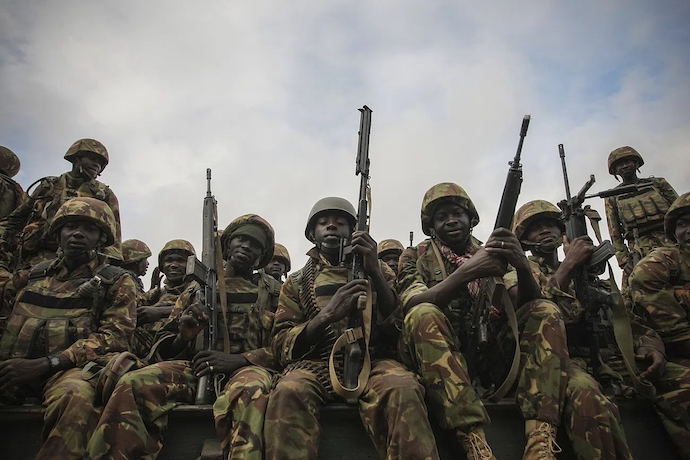 Nowhere is this more evident than in the Sahel. Mali, Burkina Faso, and Niger have become central battlegrounds in the struggle between state authority and extremist organizations linked to al-Qaeda and the Islamic State. These groups have expanded their influence in areas where government presence is weak and public services are limited. As insecurity worsens, governments frequently resort to emergency powers, centralized decision-making, and expanded executive authority.
Such measures often create a troubling paradox. On the surface, stronger executive control may appear necessary to restore order and strengthen state capacity. In practice, however, these approaches can weaken democratic accountability and reduce institutional oversight. While authoritarian governance may provide temporary responses to immediate security challenges, it rarely addresses the underlying causes of instability. The conditions that fuel conflict—poverty, exclusion, weak institutions, and poor governance—often remain unresolved.
As a result, efforts to centralize power may inadvertently generate new political crises. The promise of stability can become increasingly difficult to sustain when citizens continue to confront the same structural problems that undermined confidence in democratic institutions in the first place.
Amid these challenges, the African Union remains one of the continent’s most important political institutions. Established in 2002, the AU sought to distinguish itself from its predecessor, the Organization of African Unity, by placing democracy, constitutional governance, human rights, and good governance at the center of its mission.
One of the organization’s most significant achievements was the adoption of the African Charter on Democracy, Elections and Governance in 2007. The Charter represented a major normative commitment to constitutional rule, electoral integrity, democratic governance, and the protection of fundamental rights. It reflected an emerging consensus that sustainable development and political stability depend upon accountable and inclusive institutions.
Yet translating principles into practice has proven considerably more difficult. The African Union has repeatedly condemned unconstitutional changes of government, suspended member states following military takeovers, and imposed diplomatic sanctions. Nevertheless, military regimes have often remained in power despite these measures, highlighting the limitations of the AU’s enforcement capabilities.
A central challenge is that the organization’s effectiveness depends heavily upon the political will of its member states. Normative frameworks and legal commitments, while important, cannot by themselves ensure democratic governance. They require sustained implementation, institutional accountability, and genuine political commitment at the national level.
Consequently, the AU frequently finds itself navigating a difficult balance between defending democratic norms and respecting the sovereignty of member states. This tension has shaped many of the organization’s responses to political crises, particularly when governments resist external pressure or regional intervention.
At the same time, dismissing the African Union as ineffective would overlook its broader contributions. The organization continues to promote democratic standards, facilitate political dialogue, support election-monitoring missions, and encourage regional cooperation. These efforts may not always produce immediate results, but they contribute to the gradual institutionalization of democratic norms across the continent.
For governance reforms to achieve greater impact, however, the AU will likely need to strengthen its preventive capacities. Greater investment in early-warning systems, mediation efforts, preventive diplomacy, and institutional development could enable the organization to address political crises before they escalate into full-scale instability. Moving beyond reactive crisis management toward proactive governance support may prove essential for the AU’s long-term effectiveness.
Another critical dimension of governance in Africa involves the relationship between modern state institutions and traditional authorities. Across much of the continent, chiefs, elders, tribal authorities, religious leaders, and other customary institutions continue to play influential roles in local governance, dispute resolution, land management, and community cohesion.
The roots of this reality can be traced to Africa’s colonial experience. Many contemporary state structures emerged from colonial administrative systems that often failed to reflect existing political and social arrangements. As a result, the legitimacy of formal state institutions has, in some contexts, remained weaker than that of traditional authorities whose influence predates colonial rule.
For millions of citizens, especially in rural areas, interactions with traditional leaders occur far more frequently than interactions with central government officials. These leaders often serve as mediators, representatives, and custodians of customary law. Their authority extends beyond ceremonial functions and continues to shape everyday governance.
Yet the relationship between traditional authority and democracy remains complex. Traditional institutions can strengthen local legitimacy, facilitate conflict resolution, and reinforce social stability. At the same time, they can perpetuate hierarchical structures that limit political participation and representation, particularly for women, young people, and marginalized communities. In some cases, customary systems may reinforce social inequalities that conflict with contemporary democratic norms.
The challenge, therefore, is not whether traditional authority should exist alongside democratic governance. Rather, it is how these institutions can coexist in ways that promote accountability, inclusiveness, and respect for human rights. Neither romanticizing traditional leadership nor dismissing it outright offers a practical solution.
Strengthening local governance is therefore essential to democratic consolidation across Africa. Decentralization should involve far more than transferring administrative responsibilities from central governments to local authorities. Effective decentralization requires equitable resource allocation, transparent institutions, meaningful citizen participation, and constructive cooperation between elected officials and traditional leaders. When these elements work together, governance can become both more responsive and more legitimate.
Africa’s governance challenges cannot be understood through a simple choice between democracy and authoritarianism. The recent wave of coups undoubtedly reflects weaknesses in democratic institutions, but it also exposes deeper problems involving state capacity, service delivery, security provision, and political legitimacy.
Similarly, while the African Union’s governance initiatives represent important normative achievements, their success ultimately depends upon implementation at national and local levels. Democratic resilience requires contributions from a wide range of actors, including local governments, traditional authorities, civil society organizations, and engaged citizens.
Africa’s political future is unlikely to be shaped by externally imposed governance models or universal democratic templates. Sustainable democratic governance must emerge from institutional arrangements that reflect the continent’s diverse histories, social realities, and political traditions. Democracy is not sustained through elections alone. It depends upon a durable relationship of trust between citizens and the institutions that govern them.
Without that trust, cycles of authoritarianism, military intervention, and governance crises are likely to continue. With it, more inclusive, accountable, participatory, and responsive systems of governance can take root and flourish.
Understanding Africa today therefore requires more than cataloging its challenges. It requires recognizing the continent’s extraordinary political dynamism, social resilience, and capacity for transformation. The future of democracy in Africa lies not in the shadow of military coups, but in the enduring aspirations of African societies for dignity, representation, justice, and effective governance. If those aspirations can be translated into durable institutions, Africa may emerge not simply as a subject of global politics, but as one of its most influential architects.