Iran’s Resistance Endures, Even as the World Looks Away
The deepening crisis surrounding Iran has, once again, laid bare the moral bankruptcy and strategic incoherence of Western policy. As tensions intensify and the specter of a broader conflict looms, one might expect a measure of clarity from Brussels, London, and Washington. Instead, what has emerged is something far more troubling: hesitation, equivocation, and, most damning of all, silence in the face of unmistakable brutality.
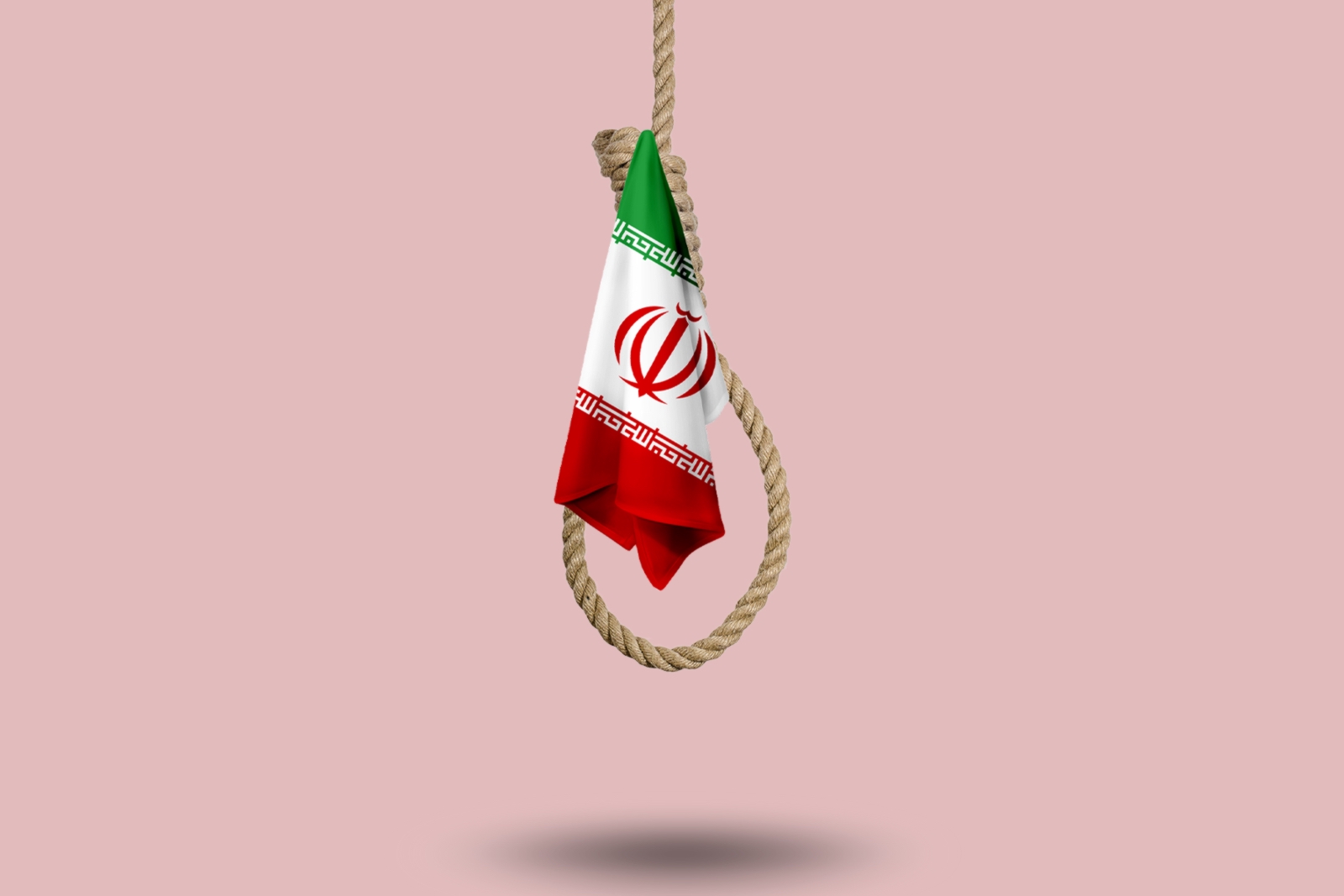
Nothing captures this failure more starkly than the muted—at times almost embarrassed—response to the executions this week of Mohammad Taghavi (59), Akbar Daneshvarkar (60), Babak Alipour (34), and Pouya Ghobadi (33), political prisoners and members of the Mujahedin-e Khalq (MEK) resistance. These men stood in open defiance of a repressive system and paid with their lives. Their deaths demanded outrage. Instead, they were met with near-total quiet—a silence that signals, unmistakably, that certain levels of repression may proceed without consequence so long as they are cloaked in the complexities of geopolitics.
Executions of this kind should be condemned without hesitation. Torture should be exposed, not obscured. Political prisoners should be named, remembered, and defended. Those who resist repression should not vanish into anonymity. In the face of such abuses, neutrality is not restraint; it is complicity.
Accounts emerging from the men’s final moments only deepen the indictment. Reports suggest that, even as they faced execution, they remained resolute, speaking openly of their belief in a free Iran and rejecting the legitimacy of the regime that condemned them. Yet across Europe and the United States, their names barely registered.
The European Union, so often eager to present itself as a guardian of human rights, has retreated into cautious phrasing and procedural ambiguity. The United Kingdom, with its long rhetorical commitment to liberty, has issued statements carefully calibrated to avoid direct confrontation. In Washington, where officials routinely invoke support for democratic movements, the response has been subdued, hemmed in by competing strategic priorities.
This is not merely disappointing. It is difficult to defend.
At a moment that demands moral clarity, Western governments appear paralyzed—caught between fears of escalation and a lingering attachment to engagement strategies that have yielded little. The result is a posture that neither deters repression nor meaningfully supports those who challenge it.
Inside Iran, the situation continues to deteriorate in ways that should shock the international conscience. Arrests are rising. Surveillance is expanding. Executions are being carried out at a pace that is difficult to ignore. Young men and women are being sentenced and killed following proceedings that would fail even the most minimal standards of justice. This morning, the 18-year-old Amir-Hossein Hatami was hanged for his alleged role in the January 2026 uprising.
Within the prison system, conditions are equally alarming. Detainees are denied adequate food and medical care. Many are held in prolonged isolation. During air raids, they are left without protection. Families are often given little to no information about the fate of their loved ones.
At the same time, reports are mounting that the Islamic Revolutionary Guard Corps (IRGC), increasingly wary of being targeted by Israel, has shown reluctance even to staff checkpoints in Tehran and other major cities. In their place, children as young as twelve are reportedly being deployed—armed and placed in positions of real danger.
To send children into harm’s way while trained forces hesitate is not a sign of strength. It is a reflection of fear. It suggests a system that no longer trusts its own footing and is willing to sacrifice the young to preserve itself. The absence of a strong, unified international response to such practices represents yet another failure of will.
A pattern has become unmistakable. Each escalation within Iran produces a brief surge of attention, followed by a return to routine diplomacy. Statements are issued, concern is noted, and the moment passes. For those inside the country, however, there is no such reprieve. They live under constant pressure, where dissent is met with severe consequences and the boundaries of acceptable behavior are enforced with increasing rigidity.
And yet, resistance endures.
It appears in protests, in quiet acts of defiance, and in the persistence of organized opposition. It is present, too, in the final words of those who refuse to yield. The executions of Mohammad, Akbar, Babak, Pouya, and Amir-Hossein were intended to instill fear. Instead, they have underscored the depth of conviction among those who oppose the regime. Their deaths stand as a stark testament to both the human cost of repression and the courage required to confront it.
For decades, Western policy has oscillated between confrontation and accommodation, with neither approach producing meaningful change. In different ways, both have strengthened those in power. This reality has long been articulated by opposition figures—from Maryam Rajavi of the National Council of Resistance of Iran to Reza Pahlavi, the son of the deposed Shah—who argued as early as 2004 that neither war nor appeasement offers a viable solution.
Recent events only reinforce that conclusion.
Lasting change in Iran will not be imposed from outside. It will emerge from within—from a population that has repeatedly demonstrated its willingness to challenge repression, often at extraordinary personal cost.
The responsibility of the international community, then, is not ambiguous. It must speak plainly about what is unfolding. It must hold perpetrators accountable. It must ensure that strategic considerations do not eclipse fundamental principles.
Above all, it must end the silence.
The people of Iran have already made their voices heard—through protest, resistance, and sacrifice. The least the West can do is listen, and respond with clarity, consistency, and resolve.