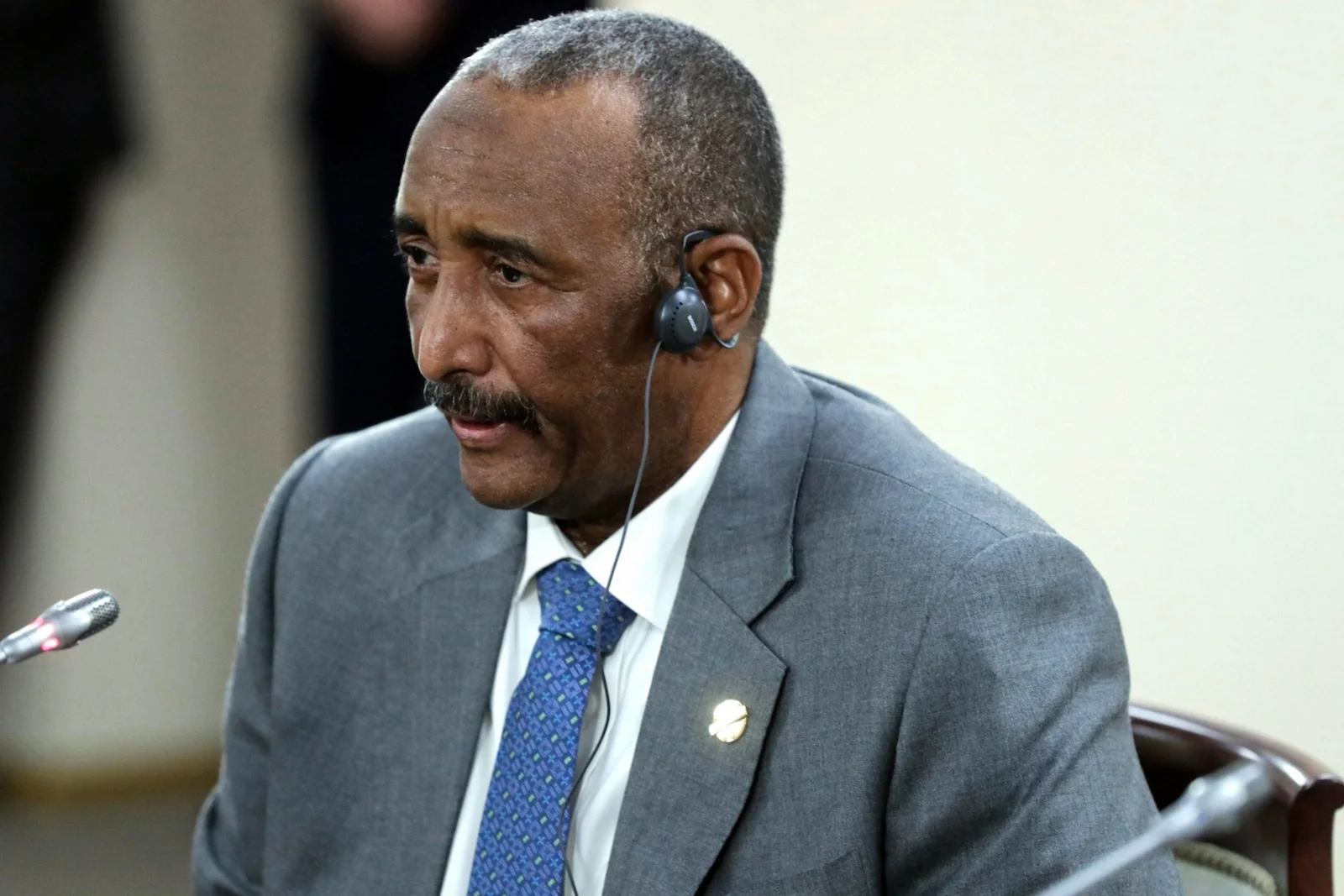
After Switzerland, Back to War: Burhan Slams the Door on Compromise
Long-term Sudan watchers could be forgiven for believing—against the odds—that the Sudanese Armed Forces (SAF) might eventually come to the table to end a war now in its third year, a conflict brutal in its death toll, displacement, and famine. Hopes flickered, briefly, when word surfaced of a secret three-hour meeting on August 11 in Switzerland between Abdel Fattah al-Burhan, the SAF’s leader, and U.S. envoy Massad Boulos. It didn’t last: the signals from Khartoum hardened almost immediately.
Any glimmer from Switzerland was extinguished by Burhan himself. Barely had the meeting ended when he publicly ruled out compromise or reconciliation, insisting instead on outright military victory. Using the army’s centenary as a stage, he pledged to fight for “dignity,” defeat the “rebellion,” and shun any peace deal—whatever the cost.
This posture is not new. Burhan has repeatedly said there is no room for a truce or reconciliation, casting the war as an existential struggle for the state he seized in 2021 and vowing to pursue victory at all costs. Almost exactly a year ago, he declined even to attend peace talks. In August 2024, he put it bluntly: “We will not go to Geneva…we will fight for 100 years.”
Many conclude that Burhan is, to his core, an army man with little appetite—or capacity—for statesmanlike peace-building. Military triumph, however implausible, remains his animating goal. He did not emerge nationally until 2019, but his record in the ranks is long: a posting to Darfur in the early 2000s during the conflict there and a rise to regional commander by 2008. For seasoned Sudan observers, such hardwiring suggests compromise is not on the table.
Little wonder, then, that Burhan’s 2025 Swiss overture is widely read as diplomatic cover to regroup. The post-Switzerland mood music has only grown harsher, with the SAF’s stance hardening. Political analyst Hatem Elias notes that Islamists embedded within the SAF and the state view continued war as vital to their survival. “If Burhan goes for peace, it would be nothing short of a political miracle,” he said.
Elias argues that the SAF’s adversaries, the Rapid Support Forces (RSF), are structurally more flexible and better positioned for talks, as they are unencumbered by Islamist factions. He also warns that Islamists could push Burhan toward even harder lines, or deploy civilian and security proxies to shape opinion at home and among regional allies.
International trust in the SAF is at an all-time low. After chemical-weapons accusations triggered U.S. sanctions, fresh condemnation has followed over torture allegations. A prominent Sudanese human-rights group has accused the SAF and its security apparatus of torturing detainees to death and operating execution chambers. As the BBC reported, the Emergency Lawyers group says it has documented hundreds of arrests in the capital, Khartoum; in the worst cases, captives were later found dead with evidence of torture.
So much of the discourse around Sudan has been stripped of hope. The staggering numbers—hunger, casualties, refugees—are matched by the bleak reality that one side simply will not compromise. For many in the media and in foreign capitals alike, Sudan risks moving from the “forgotten war” to the “hopeless war.” Anyone aspiring to a Nobel Peace Prize might start by cracking the psychology of a perpetual warlord—by finding credible leverage to show that an endless war is neither acceptable nor cost-free for those who insist on pursuing it.