
Europe’s Defense Boom Comes With Hidden Risks
Periods of global instability have always created fertile ground for profit. Consider the example of Bill Ackman, whose March 2020 investment in Covaxx—an antibody testing firm at the onset of the COVID-19 pandemic—ultimately generated returns exceeding $2.5 billion. Crisis, in other words, has a long track record of rewarding those willing to move early and decisively.
It is tempting to argue that we are entering a similar moment now. Since returning to the White House one year ago, President Donald Trump has set about dismantling elements of the geopolitical order that took shape after the Cold War. His longstanding frustration with what he views as Europe’s dependence on American defense spending has translated into punitive tariffs, sharper rhetoric, and even improbable territorial ambitions, including threats to annex Greenland.
Layered onto this is the broader upheaval reshaping Europe’s strategic landscape. Russia’s invasion of Ukraine has already fractured the continent’s energy assumptions, while the ongoing conflict in Iran has added another layer of volatility. In response, European governments are increasingly turning inward, prioritizing self-sufficiency and insulating themselves from external shocks that once seemed manageable.
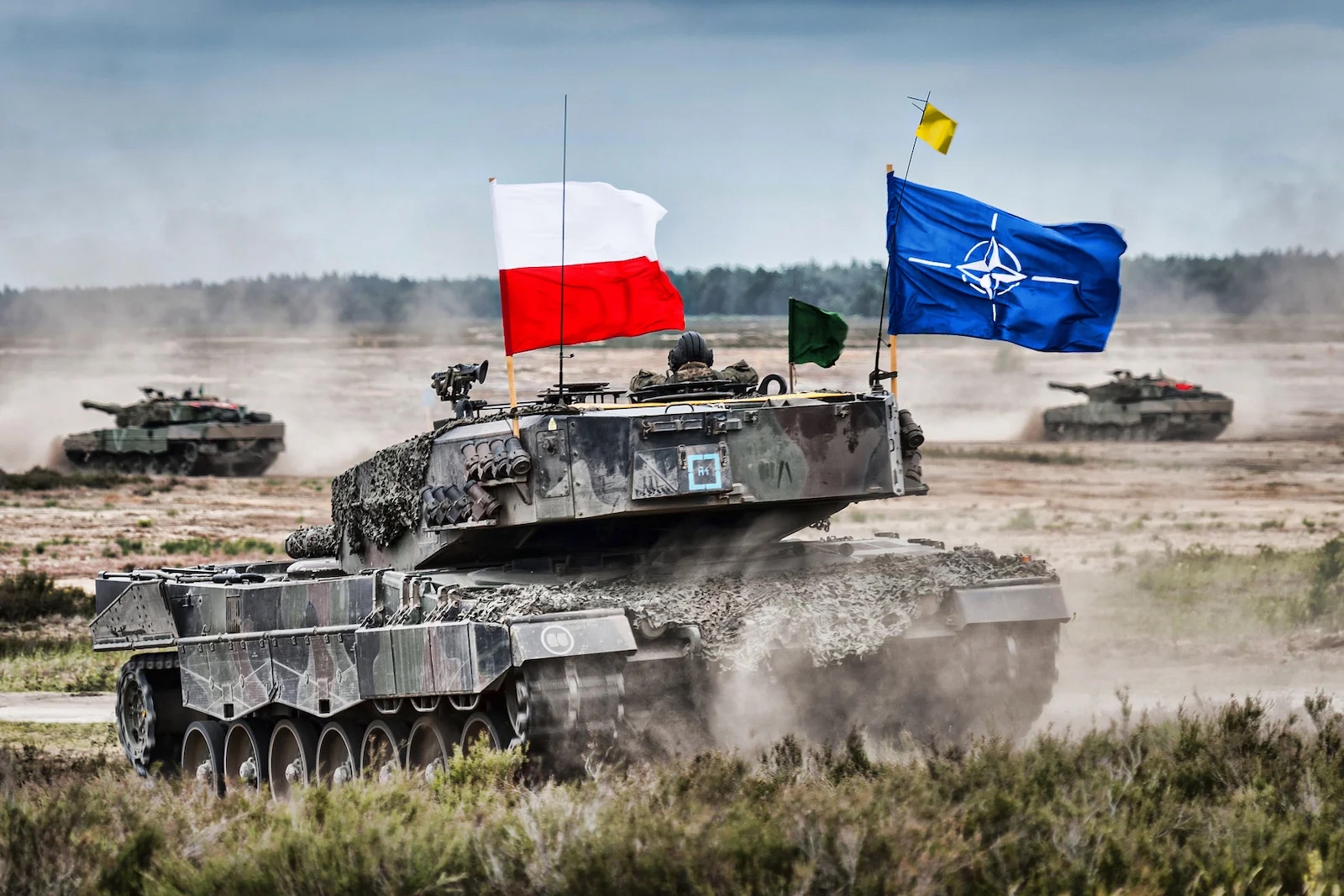
Defense spending has emerged as the clearest expression of this shift. Under sustained pressure from Washington, NATO member states have committed to raising defense budgets to 3.5 percent of GDP, with an additional 1.5 percent directed toward related security expenditures. The scale of this increase is historically significant, and markets have responded accordingly. The Financial Times reports that the Stoxx Europe Aerospace and Defense Index surged by 15 percent in January alone, led by sharp gains from Sweden’s Saab, Germany’s Rheinmetall, and the United Kingdom’s BAE Systems.
At first glance, the conclusion appears straightforward: European defense firms represent an obvious investment opportunity. BAE Systems, the UK’s largest defense manufacturer, seems particularly well-positioned. Its recent contracts with Turkey and Norway, combined with a renewed emphasis on rearmament from the British government, suggest a company poised to capitalize on a generational shift in defense priorities.
Yet this narrative begins to fray under closer inspection.
One immediate concern is the fracturing of alliances, which can just as easily shrink markets as expand them. BAE has long benefited from lucrative contracts with the U.S. military, but the specter of tariffs on British goods introduces new uncertainty into that relationship. Trump’s recent handling of trade policy—announcing and then abruptly withdrawing levies on British exports in the wake of the Greenland controversy—underscores just how unpredictable transatlantic economic ties have become.
Domestic challenges further complicate the picture. The British defense sector is grappling with significant funding constraints, including reports of a £28 billion shortfall in meeting its long-term security commitments. This gap has already delayed key investment plans, leaving the Ministry of Defence in a protracted struggle with the Treasury over how, or whether, to raise the necessary funds. Political hesitation is beginning to translate into operational uncertainty.
At the same time, a slowdown in domestic orders has unsettled manufacturers across the sector. Industry figures describe the current climate as the most challenging in more than two decades. One company responsible for producing the UK’s last military helicopters has gone so far as to threaten closure unless a £1 billion deal is secured. While BAE has avoided such overt brinkmanship, it has not been immune to disruption, particularly in the form of intensifying industrial disputes.
These tensions are likely to escalate. The government’s new workers’ rights package, set to take effect shortly, lowers the threshold for strike action and reduces the procedural barriers that have historically constrained labor disputes. With ballot requirements simplified and protections against dismissal strengthened, unions now hold a more powerful hand. BAE workers are already pressing for a 4.5 percent pay increase, and there is little incentive for them to settle quickly when forthcoming legal changes promise to strengthen their position.
Reputational risk adds another layer of complexity. Defense firms have long relied on humanitarian partnerships to soften public perception and reinforce their legitimacy. In this context, BAE’s recent decision to withdraw the Type Certificate for a fleet of turboprop aircraft used by Kenya-based EnComm Aviation stands out as a costly misstep. EnComm plays a crucial role in delivering World Food Programme aid across conflict zones in East Africa. By grounding these aircraft, BAE effectively disrupted humanitarian supply chains, triggering negative coverage in both the UK and Africa and exposing the company to a potential £187 million lawsuit. In an industry where optics matter, such decisions can carry consequences that extend far beyond the balance sheet.
Investors are beginning to take notice. The Financial Times recently reported that several major UK retail investment platforms now consider BAE’s stock to be “fully valued.” That assessment reflects a broader unease: while geopolitical instability can undoubtedly drive profits, it also introduces risks that are harder to quantify and even harder to hedge.
The allure of a European defense renaissance is real, and governments will continue to promote it as both necessary and inevitable. But beneath the surface lies a more complicated reality—one defined by political volatility, fiscal constraints, labor tensions, and reputational hazards. For investors, the lesson is familiar but easily forgotten. Chaos may create opportunity, but it rarely offers certainty.