Culture
From Belly Dancing in Egypt to Normalization with Israel
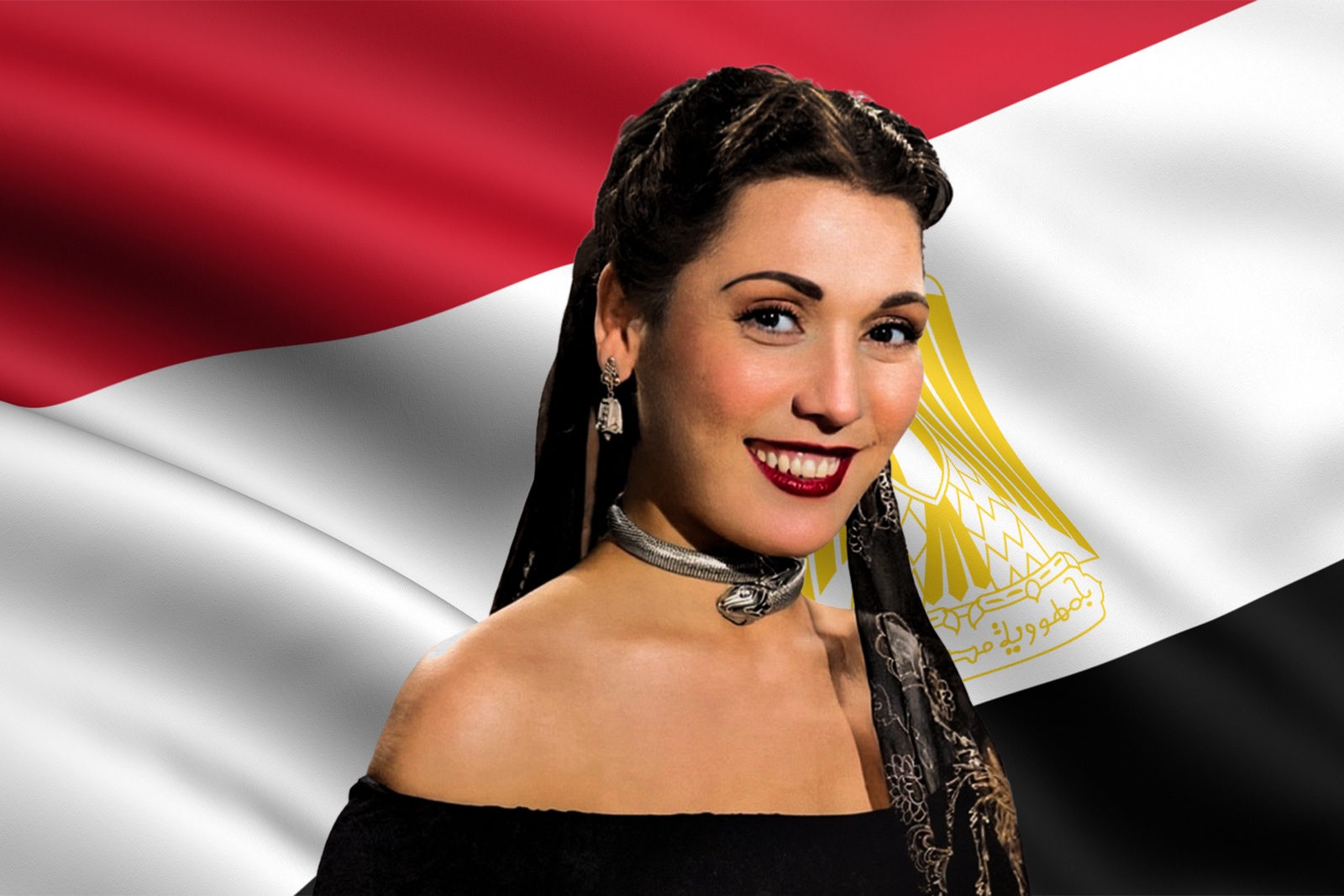
In 1948, at the height of Egypt’s cultural golden age, Tahiya Carioca — the iconic belly dancer turned silver screen star — used her public platform not for performance, but for protest. As the Arab world reeled from the creation of Israel and the displacement of Palestinians, Carioca called on her fellow artists to take a stand. For her, art was never separate from struggle. It was a means to name injustice and speak truth to power.
Carioca was not alone. Throughout the mid-twentieth century, Arab artists from Cairo to Baghdad, Damascus to Beirut, were entwined with the political pulse of their societies. Poets recited verses of resistance in public squares. Singers lent their voices to liberation anthems. Theatre became a stage for consciousness, not escapism. Occupation was not euphemized. It was called what it was.
But the terrain has shifted. Today, the cultural landscape is cluttered with projects under the banners of “dialogue” and “coexistence.” Some Arab artists now collaborate with Israeli counterparts in initiatives billed as “bridge-building” or “barrier-breaking” — as though decades of occupation, displacement, and asymmetry could be smoothed over with hashtags and harmony. To be sure, not all such efforts are cynical. Some participants may earnestly believe that engaging across the divide can sow seeds of mutual understanding. But we do ourselves a disservice when we blur the line between dialogue and normalization — between striving for peace and sanitizing oppression.
Carioca’s example offers a starker clarity. She understood that cloaking injustice in the language of dialogue can amount to betrayal. Today, many veil their silence in the guise of pragmatism. Worse still are those who contort the truth to suit the aggressor’s narrative, gaslighting their audiences into confusion. Supporting Palestine in this climate can invite censorship, exclusion, or quiet professional exile.
By contrast, aligning with Israel often comes with perks: access to funding, friendly press, polite applause — and, at times, tangible rewards. I have encountered this trade-off personally. Not all responses are hostile; some interlocutors have engaged me with genuine curiosity and respect. But increasingly, good-faith disagreement is met not with rebuttal but with accusation — most often, the charge of antisemitism.
In one telling exchange, I calmly cited documented human rights violations, international law, and the need for accountability on all sides. The reply? “You are spreading fake information, wrong numbers, and hatred. I will not enter the debate as it’s a social media antisemitic tsunami…a narrative battle Israel lost long ago.” When factual, civil critique is dismissed as hateful hysteria, the issue is no longer disagreement. It’s the refusal to engage altogether.
There was a time — not long ago — when Arab artists and intellectuals stood unapologetically for Palestine. Today, too many avert their gaze. Yet when even the image of harm comes to an Israeli — however minor — some Arab voices respond with instantaneous outrage, unconditional sympathy, and moral absolutism.
This is not a case of emotional fatigue or moral numbness. It is a choice — of who we see as victims, of whose humanity we recognize. This essay is not a call to end dialogue. On the contrary, we need more of it. But that dialogue must be rooted in truth, not selective empathy. Real peace does not arise from politeness. It begins with the willingness to name injustice, to confront each side’s narrative with rigor, and to pursue not a cosmetic equilibrium, but a durable justice.
Tahiya Carioca danced to rhythms that moved millions. But her most lasting legacy may be her moral clarity. She knew that silence in the face of suffering isn’t neutrality. It’s complicity.