Iran’s Uprising Was Decades in the Making
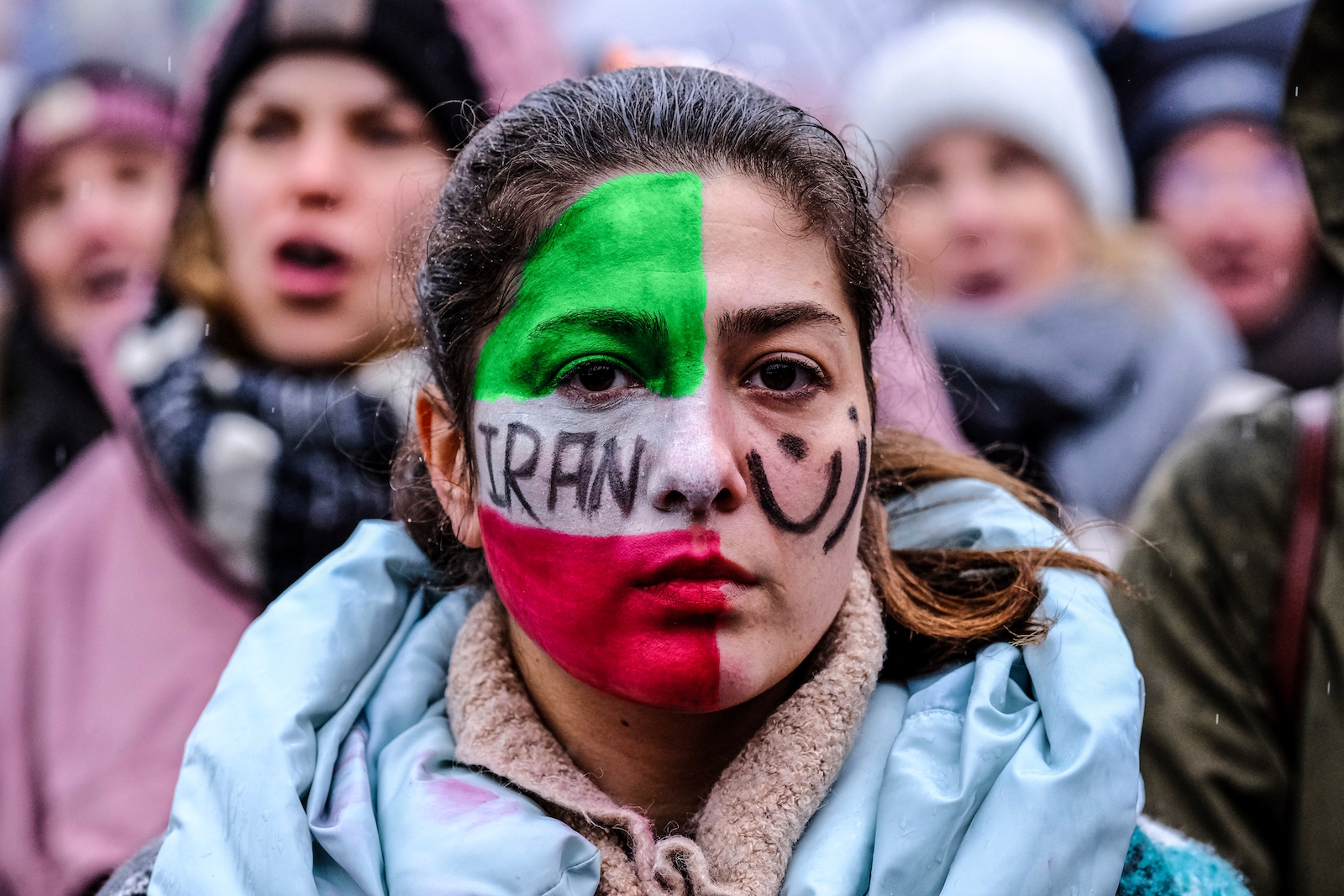
What the world is witnessing across Iran today is not a sudden tremor or a spontaneous reaction to a distant voice. It is the culmination of a tectonic shift—one produced by a society that has reached its breaking point after more than four decades of sustained, methodical resistance. To understand the durability of this uprising, one must look beyond the headlines and past the hollow claims made outside Iran, and instead focus on the organized networks that have kept the pulse of defiance alive under some of the most brutal conditions imaginable.
For more than forty years, a dedicated opposition has operated inside Iran’s borders at a human cost that is almost incomprehensible. Over 100,000 lives have been lost to torture and execution. Among them were the 30,000 political prisoners systematically murdered during the 1988 massacre—an atrocity that United Nations experts have recently characterized as a crime against humanity and a precursor to genocide. This is the bedrock of today’s protests. They are not born of impulse or imitation, but of a legacy of absolute commitment forged in blood.
Yet a persistent and deeply misguided narrative has taken hold outside Iran: that the current nationwide upheaval is the result of calls to action issued by Reza Pahlavi, the son of Iran’s deposed monarch. This reading is not merely incomplete; it fundamentally misrepresents Iranian reality. When Pahlavi urged people to protest in the streets or even from their “homes,” Iranians had already been demonstrating for more than ten consecutive days. The uprising did not await a signal from abroad—least of all from someone whose sole claim to prominence rests on lineage rather than sacrifice. It erupted because millions of citizens are suffocating under the weight of total economic collapse.
By early 2026, the Iranian rial had plunged to a historic low of roughly 1.5 million to the U.S. dollar. Food inflation surged beyond 70 percent. At the same time, more than 16 percent of the national budget was diverted to security forces and military institutions tasked with suppressing dissent. Under these conditions, Iranians are no longer protesting for reform. They are fighting for survival—and for the creation of a genuine democratic republic, not the clerical façade that currently governs Iran, nor a return to the shah’s dictatorship.
That the regime has failed to crush this movement—despite sweeping Internet blackouts, mass arrests, and the routine use of live ammunition—is not accidental. It reflects the existence of a nationwide infrastructure built patiently over many years. Decentralized resistance networks, operating quietly across the country, have served as the movement’s backbone, coordinating acts of defiance and countering suppression at scale. In 2024 alone, more than 20,000 such actions were recorded across all 31 provinces, underscoring the depth and durability of Iran’s internal opposition.
These networks operate for survival, not for international validation. Their impact is best measured not by media attention, but by the regime’s fixation on destroying them. Tehran does not reserve its harshest punishments for figures living comfortably in exile. Its fury is directed inward, toward the organized resistance operating on the ground. In 2025, executions surged to record levels, including a 75 percent increase in the first four months of the year, disproportionately targeting those accused of “rebellion” or affiliation with organized opposition networks.
In revolutionary moments, leadership is not defined by visibility or rhetoric but by the ability to organize, protect, and sustain a movement under relentless pressure. By that measure, Iran’s democratic opposition has provided a level of strategic depth unmatched by any personality-driven alternative.
It has articulated a clear and public 10-point roadmap for a secular, democratic future: the establishment of a provisional government to oversee the transfer of power; the creation of a Constituent Assembly through free and fair elections within six months of the regime’s fall; a pluralistic republic grounded in the separation of religion and state; full gender equality; the abolition of the death penalty; and a non-nuclear Iran that prioritizes regional peace, economic recovery, and environmental restoration over military adventurism.
The Iranian people have been equally clear in rejecting all forms of dictatorship. Throughout the current wave of protests, the most resonant slogan has been: “Neither Shah nor mullahs.” This refrain is not a fleeting expression of anger. It is the distilled lesson of modern Iranian history. Iranians are not seeking to exchange a turban for a crown, nor to substitute one autocracy for another. They are fighting for a representative democracy forged through their own struggle.
International solidarity must be anchored in this reality. Uprising in Iran is not a proxy battle, nor a geopolitical chess piece to be moved by external actors. It is a domestic struggle for the soul of a nation. Iran’s future will not be decided in foreign capitals or through nostalgic echoes of the past, but in the streets—where organized resistance continues, quietly and relentlessly, to defy the status quo.