Should Nigeria Be Worried?
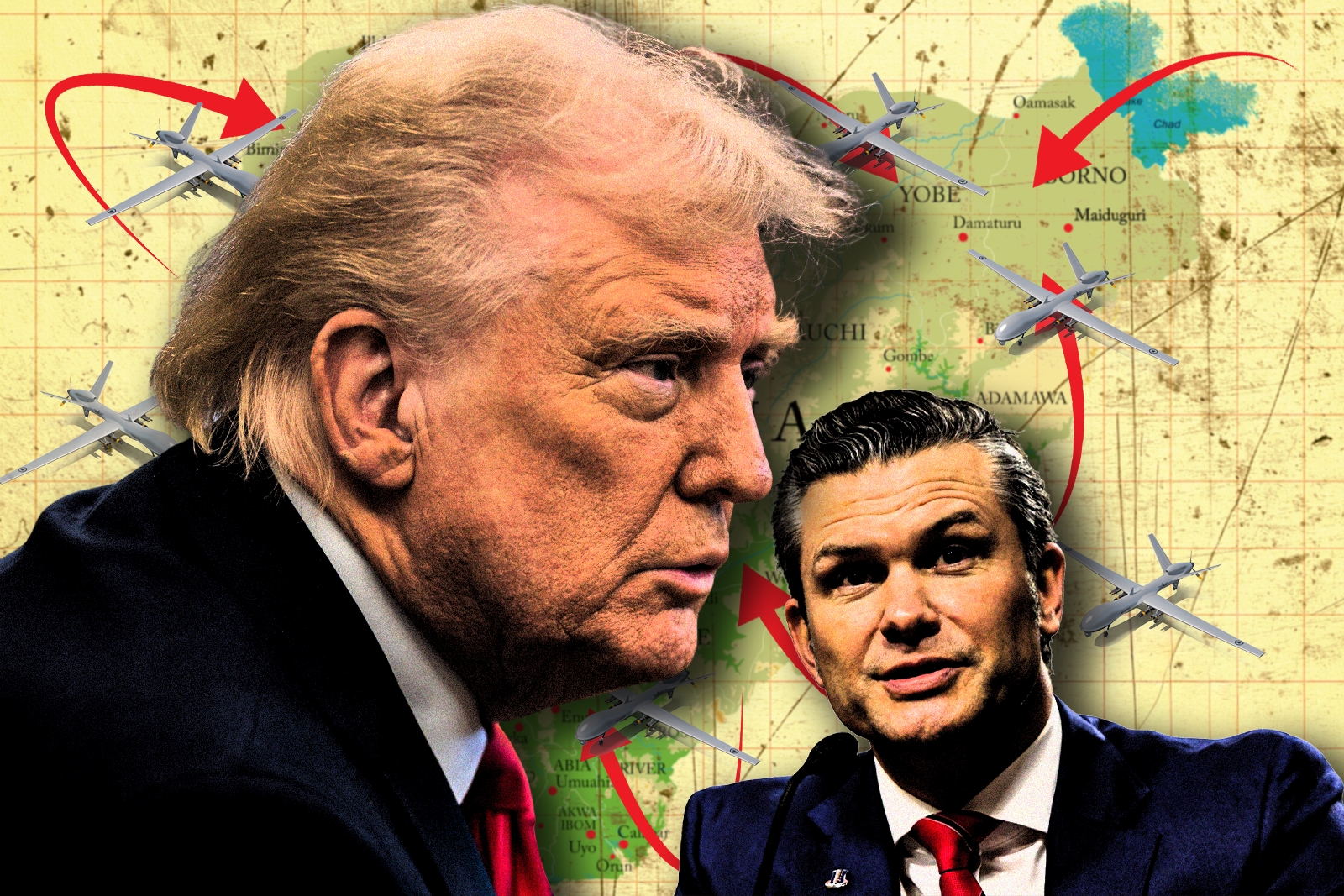
Should anyone take Donald Trump’s latest fever dream about bombing Nigeria seriously? Probably not. But the problem with Trumpian bombast is that it has a way of leaking into actual policy, especially when it flatters certain corners of the American right. So when Trump threatened a “strike” against Nigeria for allegedly turning a blind eye to the killing of Christians, what might have started as a self-righteous rant became a diplomatic headache — and one that Nigerians didn’t ask for.
In Abuja, the reaction was predictable outrage. Across Nigeria, reactions split — Christians nodding grimly, Muslims seething, everyone else groaning at the idea of becoming another prop in Washington’s moral theater. The U.S., it seems, only rediscovers its compassion for Africa when it can be weaponized for a domestic audience.
Nigerian Christians have every reason to be angry. For years, churches have been bombed, priests murdered, and villages razed. It’s not a new story — it just took a few European lobbyists and a senator or two from Texas to make Washington suddenly care. Former U.S. Ambassador Lewis Lucke called it “genocide,” Senator Ted Cruz picked up the word, and before long, Trump saw a chance to play Defender of the Faith — or at least of the faith-based voter.
Of course, the newfound outrage didn’t appear during Boko Haram’s worst atrocities. When militants were kidnapping schoolgirls by the hundreds, the U.S. offered training and a hashtag. But now, when Nigeria’s army has regained some footing, Trump is promising “swift action.” It’s not humanitarianism; it’s convenience wrapped in sanctimony.
And Nigerians see through it. “Why now?” they ask. Why not Israel, when Gaza burned? Why not Myanmar, when the Rohingya were hunted? Apparently, moral outrage has a GPS, and it only activates when the target sits on an African oil reserve and isn’t buying enough American weapons.
Some analysts think Trump’s sudden interest has less to do with religion and more with geopolitics — specifically, Nigeria’s stubborn independence. The country’s been cozying up to China, trading notes with Iran, and refusing to host an American military base. To Washington, that’s heresy. The U.S. wants allies who play nice and say thank you. Nigeria prefers to say no.
Then there’s the Israel-Palestine problem. Nigeria has been loudly pro-Palestinian in international forums, which makes it an eyesore in the current American-Israeli echo chamber. Northern Nigeria’s solidarity with Gaza and Tehran’s growing footprint through Shia networks make U.S. strategists nervous. So, how to frame a country that won’t fall in line? Simple — call it unsafe for Christians, and suddenly you’ve got a moral justification for “contingency plans.”
Meanwhile, Trump himself — a man for whom geography has always been more performance art than comprehension — probably couldn’t find Nigeria on a map without an aide whispering, “the big one under the desert.” Yet here he is, sermonizing about human rights while bragging about bombing campaigns.
Back in Abuja, the talk is less amused. Officials are scrambling to respond to what they politely call “irresponsible rhetoric.” Everyone else just calls it what it is: a threat from a man who once thought injecting bleach might cure COVID. Nigerian analysts know the U.S. doesn’t need an excuse to overreact. When Secretary of War Pete Hegseth — yes, that’s an actual title now — claimed operational plans were “ready,” Nigerians heard something more ominous: Afghanistan, Iraq, Libya. Pick your precedent.
And that’s what really terrifies people — not the missiles, but the playbook. The U.S. has a knack for turning foreign tragedies into moral crusades, then moral crusades into military quagmires. Nigeria doesn’t want to be the next case study in Washington’s selective empathy.
Yet Trump’s bluster is doing something far more dangerous than rattling Abuja’s diplomats. It’s deepening Nigeria’s internal fault lines. Christians who’ve suffered real terror now see validation from Washington; Muslims see confirmation that the West views them as disposable. It’s the perfect recipe for more resentment — and less security.
Nigeria’s clergy could do what Washington won’t: calm things down. They could demand real support, not airstrikes; intelligence sharing, not sanctimony. Because once America decides to “help,” history shows it rarely knows when to stop.
The irony is almost too rich: a superpower preaching restraint while threatening a sovereign nation, led by a man whose idea of foreign policy is whatever fits in 280 characters. Should Nigeria be worried? Maybe. But not about bombs — about being next on Trump’s list of countries to “fix.”