Culture

The Ultimate Dating Blueprint
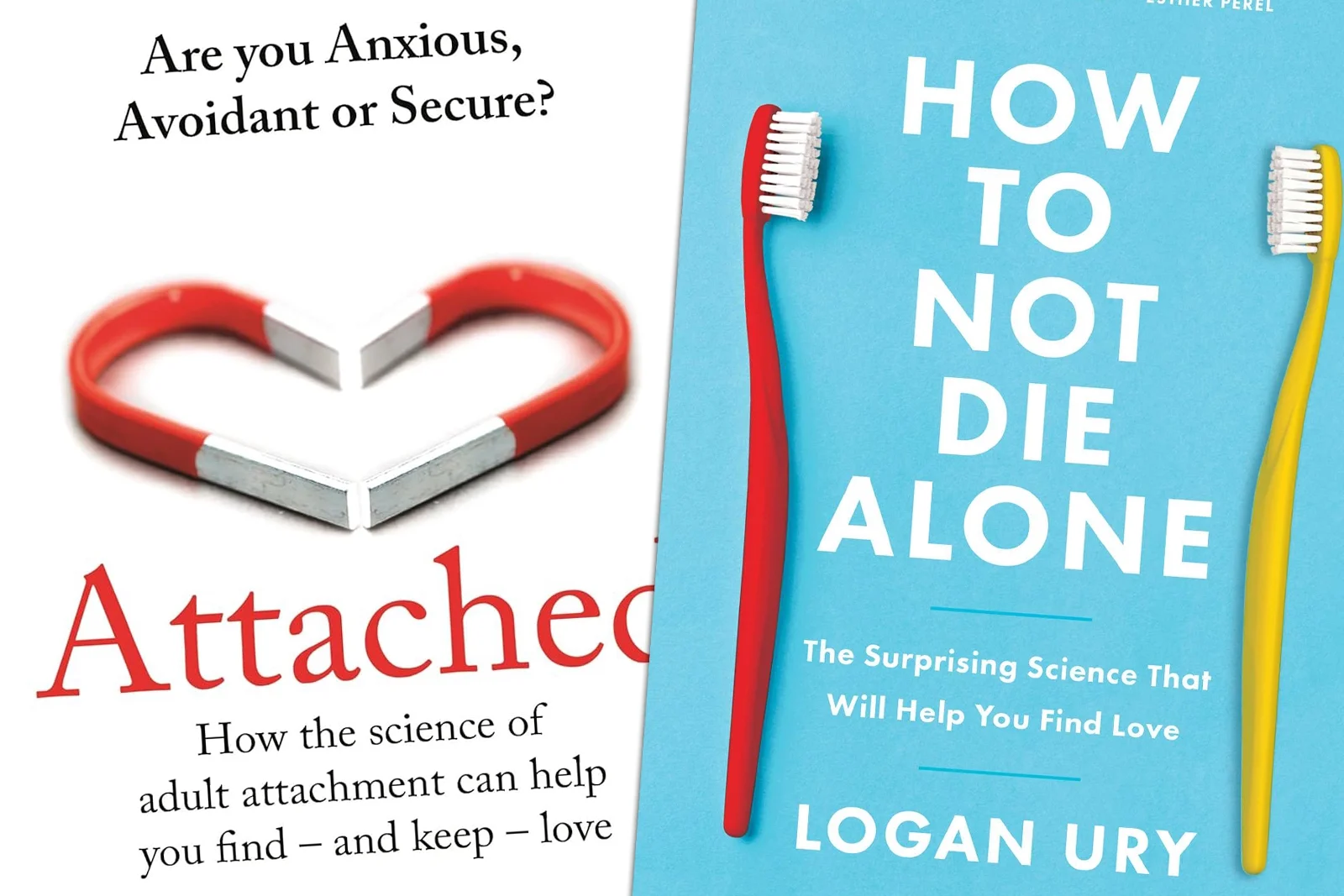
Modern dating literature tends to fall into two broad categories. Some books aim to help us understand our emotional wounds and relational patterns; others try to optimize romantic outcomes through strategy and decision-making. Attached by Amir Levine and Rachel Heller belongs firmly in the first category. How Not to Die Alone by Logan Ury sits squarely in the second. One explores the architecture of attachment; the other examines the mechanics of romantic choice. Read separately, each offers valuable insight. Read together, they begin to resemble something more ambitious—an Ultimate Dating Blueprint, a framework that integrates emotional intelligence with intentional action.
At the heart of the distinction between these two books is a simple but powerful idea. Attached explains why you feel the way you do in relationships. How Not to Die Alone explains what you do because of those feelings. One diagnoses the emotional operating system; the other addresses the behavioral glitches it can produce. The difference matters. Insight without action leaves patterns intact, while strategy without self-understanding risks a quieter form of self-betrayal.
Attached introduces adult attachment theory and outlines three primary romantic styles: secure, anxious, and avoidant. These styles shape who feels attractive to us, how we respond to closeness or distance, and what our nervous system registers as safety versus excitement. An anxiously attached person may experience inconsistency as intoxicating. An avoidantly attached person may mistake emotional distance for independence. Securely attached individuals, by contrast, tend to value stability, responsiveness, and emotional availability.
One of the book’s most important contributions is its insistence on normalization. Needs such as reassurance, consistency, and affection are reframed as biologically rooted rather than excessive. Longing is not pathologized but legitimized. Attached argues that healthy dependency fosters resilience rather than weakness. Many readers leave with a rare sense of recognition: their distress is not irrational; it is attachment activation.
But awareness alone rarely changes romantic outcomes. That is where How Not to Die Alone enters. Drawing on behavioral science and decision theory, Logan Ury shifts the focus from emotional origins to behavioral consequences. Her argument is disarmingly straightforward: people sabotage themselves not because they lack insight, but because they fail to act differently. Anxious daters chase potential or imagined futures instead of evaluating consistency. Avoidant daters overvalue spark and undervalue reliability. Maximizers keep searching for a better option, while hesitators delay dating until they feel perfectly ready.
Ury reframes dating as a series of choices shaped by cognitive bias. She challenges romantic myths, especially the belief that instant chemistry predicts long-term success. Instead, she emphasizes qualities such as kindness, emotional stability, a growth mindset, and conflict skills. Attraction, she argues, can grow. Character and values matter far more than spark alone.
The tonal contrast between the two books is striking. Attached is heart-centered: it validates longing, prioritizes emotional safety, and reassures readers that wanting consistency is not “too much.” How Not to Die Alone is brain-centered: it promotes intentional dating, data-driven reflection, and behavioral change. Where one comforts, the other challenges. Where one explains, the other instructs.
Despite these differences, the books converge most clearly in their critique of intensity. Attached exposes the anxious–avoidant trap: high chemistry paired with low availability and repeated heartbreak. This volatility can feel powerful, even addictive, but rarely produces security. How Not to Die Alone approaches the same dynamic through the myth of “the spark.” Ury argues that what feels electric is often familiar—the nervous system recognizing old relational patterns.
Excitement may signal activation rather than compatibility. In different language, both books deliver the same warning: what feels intoxicating may be emotionally unsafe, and what feels calm may be deeply compatible.
Each book, however, has its limitations. Attached can unintentionally suggest that finding a secure partner will resolve most relational difficulties, placing less emphasis on agency, early selection, and behavioral change. Conversely, How Not to Die Alone can feel overly rational if attachment wounds remain unaddressed. Strategy without compassion risks sterility; emotional pain does not dissolve through logic alone.
Taken together, these blind spots begin to balance each other. Attached offers compassion without shame. How Not to Die Alone offers agency without illusion. Integrated, they teach a rare combination: compassion without passivity and strategy without self-abandonment.
This integration becomes especially useful in early dating. Attached encourages awareness of the nervous system. Do you feel calm and curious, or hyperfocused and anxious? Activation is not the same as compatibility. Meanwhile, How Not to Die Alone provides practical guardrails: avoid premature fantasizing, match effort, meet in person early, observe behavior rather than words, and distinguish dealbreakers from preferences.
In practice, this means allowing feelings to inform you without letting them decide for you. It means recognizing that chemistry paired with inconsistency is not romantic tension but information. It means asking whether you feel grounded after interactions, not just stimulated. It means understanding your attachment triggers while still holding others accountable for their behavior.
Both books ultimately converge on a shared truth: love does not fail because people want too much. It fails because they invest in partners who cannot meet those wants. Attached gives readers permission to desire emotional availability and consistency. How Not to Die Alone teaches them how to identify those qualities early, rather than hoping they will emerge later.
Another insight cuts a bit deeper. Emotionally intelligent people are not immune to unhealthy patterns; if anything, they may be especially vulnerable. They can articulate others’ trauma, empathize with avoidant distancing, and rationalize inconsistency. Understanding becomes excuse-making. Depth of conversation is mistaken for depth of commitment. Insight replaces action.
Both books push back against this tendency in different ways. Attached reminds readers that secure love feels reciprocal and safe. How Not to Die Alone insists that clarity comes from decisive behavior—asking direct questions, observing patterns, and leaving when misalignment persists. Closure, as both suggest, is often a decision rather than a dialogue.
When these perspectives are integrated, dating begins to shift—from a chaotic emotional cycle to something closer to an intentional practice. Instead of chasing intensity, people learn to value steadiness. Instead of mistaking anxiety for chemistry, they begin to seek calm curiosity. Instead of waiting to be chosen, they actively evaluate.
Healthy love, in both frameworks, feels stable, respectful, and growth-oriented. It quiets the mind rather than inflaming it. It requires vulnerability but rewards it with consistency. It is less about fireworks and more about foundation.
Ultimately, the synthesis of these two works produces more than complementary advice. It creates alignment between emotional truth and strategic behavior, with heart and head working in concert. That alignment is what makes this pairing feel like an Ultimate Dating Blueprint—not because it guarantees love, but because it replaces confusion with clarity, fantasy with discernment, and repetition with conscious choice.
In a dating culture saturated with options, myths, and mixed signals, the integration of attachment awareness and behavioral strategy offers something quietly radical: self-trust. And self-trust, more than chemistry, is where lasting love actually begins.