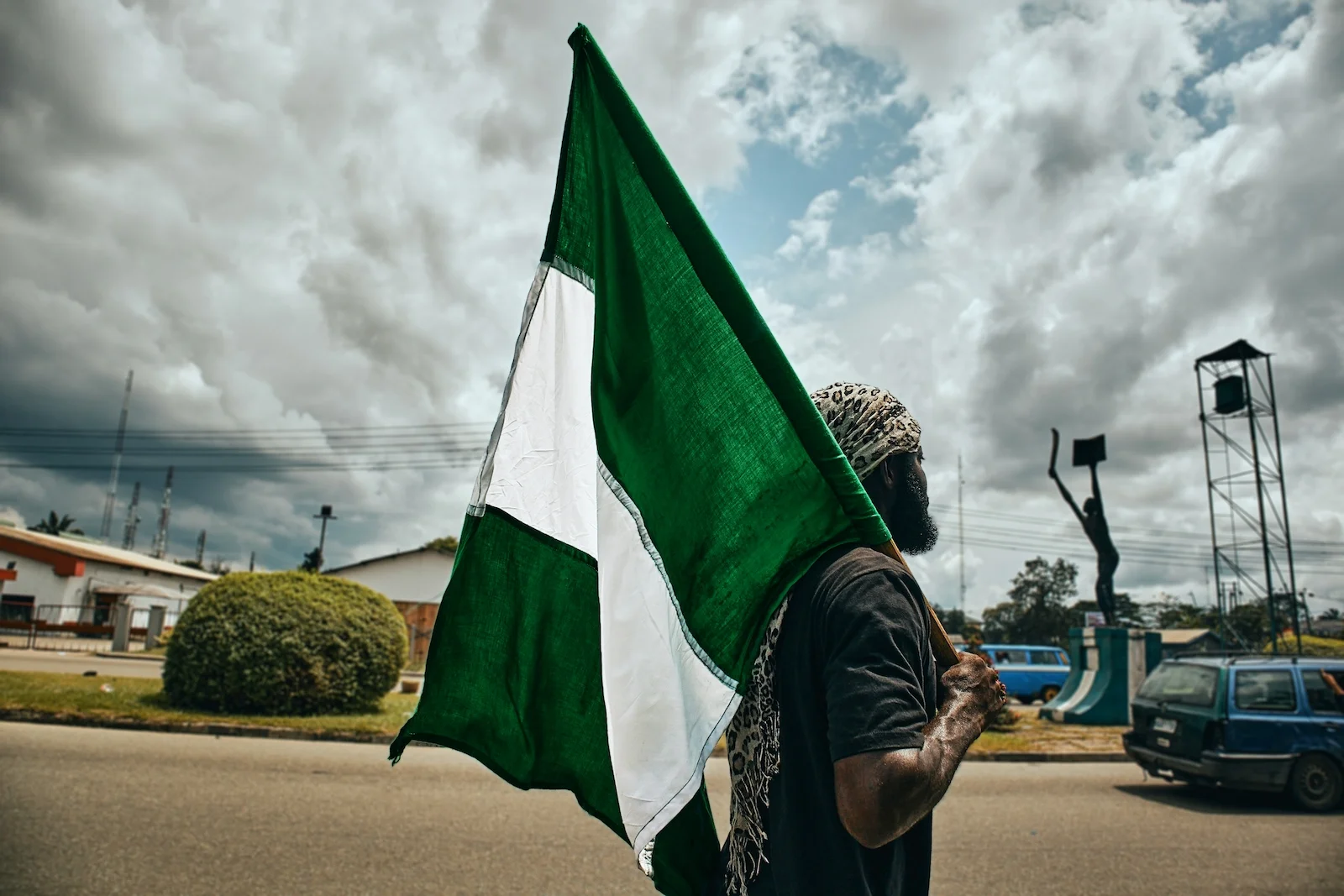

Nigeria’s Diplomacy Through the Eyes of Its Diaspora
For millions of Nigerians living abroad, foreign policy is not debated in think tanks. It is felt at passport control.
It shows up in the extra questions at immigration counters, in the pause before a job recruiter responds to a résumé, in the quiet recalculation that follows the latest security headline from home. Nigeria’s global standing travels with its citizens. When the country’s reputation rises, they feel it. When it slips, they absorb the consequences.
In official language, Nigeria’s foreign policy is about national interest: security, economic growth, regional leadership, and international legitimacy. But from the diaspora’s vantage point, those priorities are not abstract principles. They are lived realities. Diplomacy becomes personal.
Nigeria has never seen itself as peripheral in global affairs. By size, population, and economic weight, it is the gravitational center of West Africa. Its leadership within the Economic Community of West African States (ECOWAS) reflects that reality. For decades, Nigeria has supplied the largest share of funding, troops, and diplomatic initiative within the bloc. The calculation has been straightforward: instability next door rarely stays contained. It spills across borders in the form of refugees, armed groups, and economic disruption.
For Nigerians abroad, ECOWAS remains one of the country’s most defensible diplomatic accomplishments. In policy conversations overseas, it is often cited as proof that Nigeria can build and sustain institutions rather than merely react to crises. It offers a counterweight to narratives of dysfunction.
Yet recent events have revealed how fragile that leadership can be. The 2023 military coup in Niger became a defining test. As ECOWAS chair, Nigeria initially endorsed sweeping sanctions and signaled readiness for military intervention. The message was meant to be firm: coups would not be normalized in West Africa.
But rhetoric collided with constraint. Domestic opposition to intervention intensified. Economic ties between Nigeria and Niger complicated punitive measures. Divisions within ECOWAS surfaced. Over time, Abuja shifted toward negotiation. The episode did not represent capitulation so much as limitation. Nigeria’s ambitions remain expansive, but its capacity to enforce them is narrower than it appears.
For the diaspora, the Niger crisis sharpened a persistent contradiction. Nigeria seeks to deter instability in its neighborhood, yet it continues to wrestle with insecurity within its own borders. A country battling insurgencies and internal unrest must calibrate carefully any threat of force abroad. External credibility ultimately rests on internal coherence.
That tension is not new. Nigeria’s interventions in Liberia and Sierra Leone during the 1990s remain among its most consequential foreign policy achievements. Through the ECOWAS Monitoring Group, Nigeria deployed troops, resources, and political capital to stabilize war-torn states. Those missions cemented its image as a regional guarantor of security and earned significant diplomatic prestige.
Members of the diaspora frequently invoke that history. In academic forums, advocacy networks, and policy discussions abroad, ECOMOG is remembered as evidence of Nigeria’s capacity to lead decisively for collective stability. It remains a touchstone of national pride.
But prestige in international politics is cumulative—and perishable. Internal security pressures, fiscal constraints, and competing domestic demands have narrowed Nigeria’s ability to undertake comparable large-scale interventions today. While Nigeria continues to contribute to United Nations peacekeeping missions, underwriting major regional operations has become harder to sustain. When past achievements are not reinforced by present capability, credibility gradually erodes.
Officially, Nigeria’s foreign policy continues to revolve around familiar pillars: security, economic development, regional leadership, and international legitimacy. For Nigerians abroad, however, these objectives manifest in concrete ways. Security failures shape how Nigerian passport holders are perceived. Economic volatility influences migration patterns and remittance flows. Claims of regional leadership affect how Nigerians defend—or critique—their country in public debates overseas. Reputation becomes shared currency.
Diaspora remittances have, in several years, exceeded foreign direct investment inflows, underscoring their macroeconomic significance. Yet engagement with the diaspora remains largely informal and under-institutionalized. If Nigeria seeks to strengthen its international standing, it cannot treat its diaspora as symbolic. Structured investment instruments, sustained embassy outreach, and systematic inclusion of diaspora expertise in policy discussions would convert an informal lifeline into strategic leverage. Nigerians abroad are not merely senders of remittances; they are carriers of networks, skills, and influence.
Nigeria’s cultural reach reinforces this potential. Afrobeats commands global stages. Nollywood films circulate widely. Nigerian writers, artists, and religious movements shape conversations far beyond the country’s borders. This cultural dynamism generates soft power that many states would envy. It keeps Nigeria visible even when formal diplomacy falters.
Yet cultural vitality cannot fully compensate for governance deficits. Diaspora communities often find themselves performing informal public diplomacy—celebrating Nigeria’s creative energy while deflecting questions about insecurity, corruption, or institutional fragility. Cultural capital opens doors; political instability can quietly narrow them. A state that struggles to secure its citizens at home inevitably faces limits in projecting authority abroad.
Nigeria today occupies a paradoxical position. It is too large and too strategically situated to be ignored in West Africa. Regional stability still runs through Abuja. But indispensability does not equate to dominance. Its diplomacy reflects the behavior of a constrained regional power—ambitious, institutionally engaged, and cautious in the use of force. It prefers multilateral legitimacy not out of idealism alone, but out of necessity.
From the diaspora’s perspective, Nigeria’s global influence is amplified by its people—their talent, entrepreneurial drive, and cultural creativity. At the same time, that influence is undermined by persistent governance challenges. The two realities coexist, shaping how Nigeria is represented, defended, and questioned abroad.
If Nigeria intends to align its diplomatic ambitions with its potential, reform must extend beyond rhetoric. Internal security must improve. Economic diversification beyond hydrocarbons is essential. Diaspora engagement must become structured rather than symbolic. And foreign policy requires greater consistency over time.
For Nigerians living abroad, these are not theoretical debates. Their professional credibility and social standing are tethered, in subtle and visible ways, to the country’s trajectory. They represent Nigeria whether they choose to or not.
In the end, diplomacy is not only what a state declares in formal settings. It is what its citizens carry across borders—in reputation, in opportunity, and in memory. Nigeria’s future standing will depend as much on internal transformation as on external maneuvering. The diaspora understands this clearly, because they live its consequences every day.